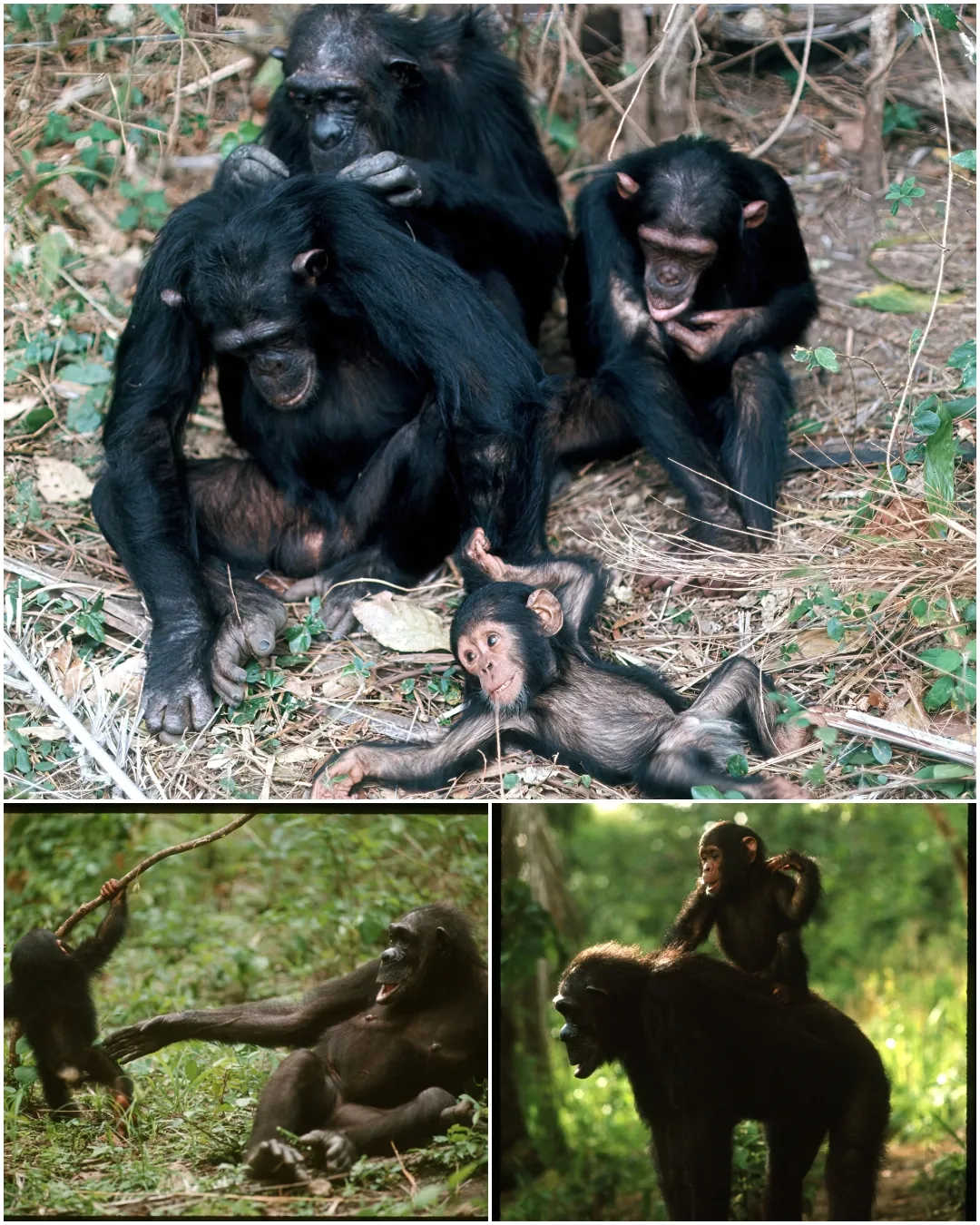
Deep in the heart of the Republic of the Congo, where the lush green forests meet the horizon, lies a sanctuary unlike any other. The Tchimpounga Chimpanzee Rehabilitation Center is a beacon of hope for over 150 chimpanzees rescued from the horrors of the illegal wildlife trade. It’s here, in this vast sanctuary, that the legacy of Dr. Jane Goodall’s compassion continues to thrive, as the facility works tirelessly to rehabilitate and heal orphaned and traumatised chimpanzees, giving them a second chance at life.
Tchimpounga, the largest chimpanzee sanctuary in Africa, is more than just a safe haven. It is a place where the light of compassion shines through the darkest of pasts, where each chimpanzee’s story is a testament to survival and the power of empathy. But it’s not just the lush forests or the sanctuary’s size that makes Tchimpounga special — it’s the dedicated individuals who pour their hearts into the care and rehabilitation of these extraordinary animals.

At the heart of this effort are the surrogate caretakers, whose job is not merely a task but a calling. These expert caregivers are tasked with providing round-the-clock care for the infant chimpanzees, many of whom arrive at Tchimpounga deeply traumatised by the loss of their families. These young chimpanzees have faced unimaginable suffering — taken from their natural habitats, cruelly separated from their mothers, and forced to witness horrific acts of violence during the illegal wildlife trafficking process. The trauma these infants endure in their early stages of life is often too much to bear, and yet, the love and care they receive at Tchimpounga are nothing short of transformative.
Chimpanzees are social creatures, and their need for companionship is crucial to their survival. Infants who are taken from their mothers and isolated at such a young age can suffer profound emotional damage if not given the right kind of care. The surrogate caretakers at Tchimpounga provide this critical support, offering comfort, security, and love — essential elements for the chimpanzees’ physical and emotional healing.
Each chimpanzee at Tchimpounga follows a personalized rehabilitation plan, carefully crafted to help them regain the skills necessary for survival in the wild. From foraging to social interactions, each step is designed to prepare them for a life outside the sanctuary. The goal is always the same: to return these chimpanzees to the wild, where they can thrive in their natural environment, exhibit natural behaviors, and ultimately live the free lives they were meant to lead.

The journey to rehabilitation, however, is not a simple one. For many of the chimpanzees, their past has left deep scars that take time and patience to heal. But the caregivers at Tchimpounga are committed to giving them the best chance at a future. The bond between surrogate caretakers and the young chimpanzees is profound, often becoming a deep, unspoken relationship. It is through these connections that the chimpanzees begin to regain trust, learn to be part of a social group, and start to heal emotionally.
It’s in these moments of tenderness — when a surrogate gently cradles an orphan, providing the warmth and care they’ve lost — that the true power of compassion reveals itself. In these moments, the pain of the past is slowly replaced by hope for the future. Through each tiny step of progress, the chimpanzees begin to trust again, not just in their caregivers but in the world around them.

One of the most inspiring aspects of Tchimpounga is the center’s commitment to following the ethical guidelines set by Dr. Jane Goodall herself. While the sanctuary provides close care and attention to these orphaned chimpanzees, it does not endorse handling or close proximity to wildlife outside of a rehabilitation setting. The goal is always to ensure that once the chimpanzees have healed, they can return to their natural habitat as independent and self-sufficient beings.
The dedication of the Tchimpounga team extends far beyond physical care. It involves a comprehensive approach to each chimpanzee’s rehabilitation. There’s a focus on teaching the animals how to forage for food, interact with one another in natural social dynamics, and adapt to the rhythms of the forest that they were taken from so violently. As each chimpanzee regains their strength and learns the skills necessary for survival, the day arrives when they are ready to join the wild once more.
But the journey doesn’t end there. Tchimpounga’s work is a constant reminder that the illegal wildlife trade is a harsh reality that continues to impact countless animals around the world. Each rescued chimpanzee is a living example of the horrors that so many animals face, but also of the remarkable resilience they possess. Their survival is a tribute to the dedicated staff at Tchimpounga, who work tirelessly to ensure that these chimpanzees — and all the other animals who find refuge here — are given the chance to live as they were meant to.

In the end, the work at Tchimpounga is more than just rehabilitation. It is a mission to right the wrongs done to the natural world, to provide a sanctuary for animals who have known nothing but suffering, and to offer a brighter future for those who still have a chance to heal. Through the compassion and dedication of the caretakers, and the unyielding love they provide, the chimpanzees of Tchimpounga are able to reclaim a part of their lost world. They are not just survivors; they are a testament to the power of compassion, the strength of resilience, and the importance of preserving the beauty of the natural world.
As we reflect on the work being done at Tchimpounga, it’s impossible not to see the deeper message it carries. It is a reminder that the well-being of all creatures, great and small, is interconnected, and that we each have a role to play in protecting the vulnerable and preserving the beauty of life in all its forms. It is through compassion, care, and unwavering dedication that we can begin to heal the wounds inflicted by human greed and indifference. And it is through stories like these — of healing, hope, and second chances — that we are reminded of the importance of every life and the difference we can make when we stand together to protect the world around us.