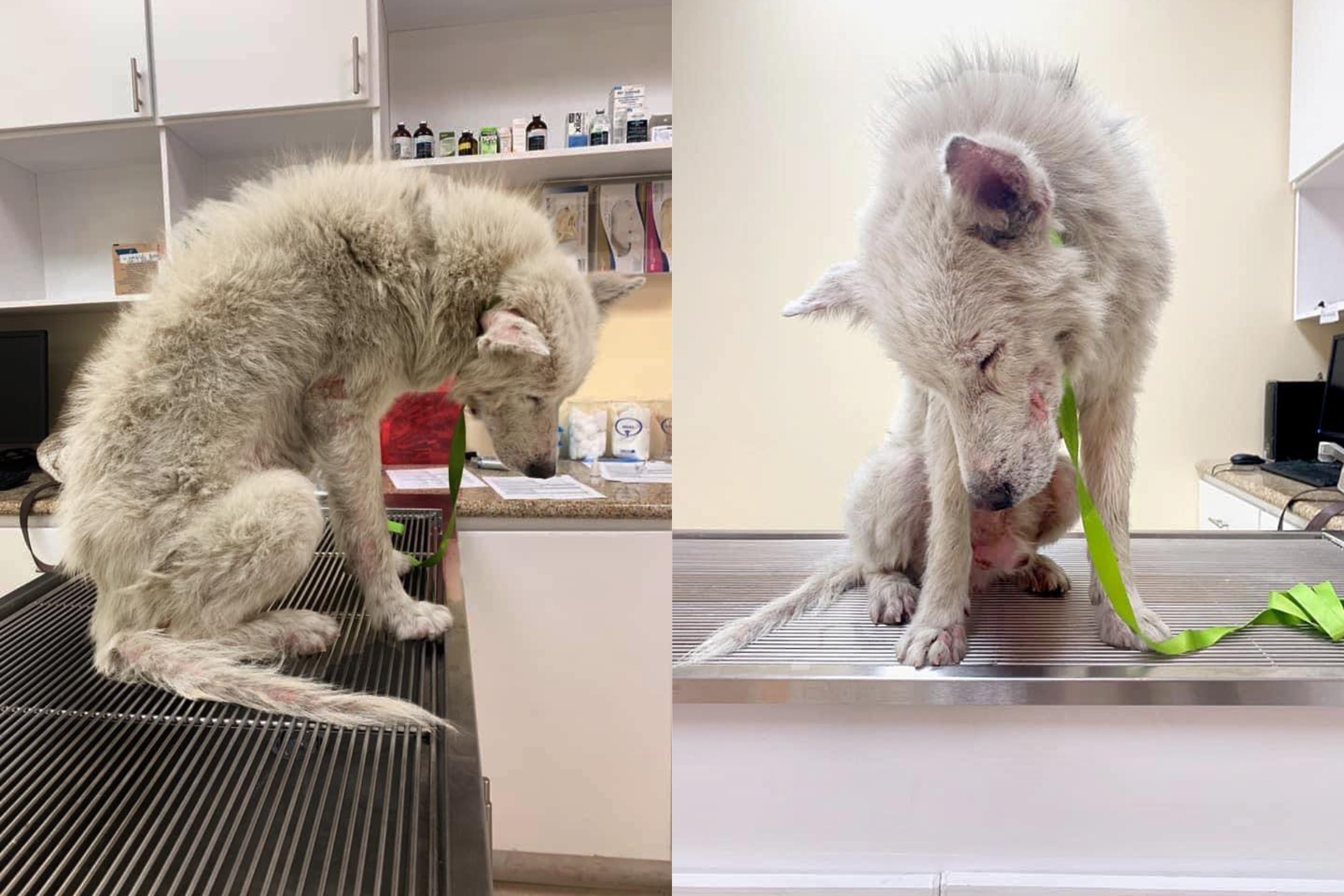
Under the relentless sun of Nassau, Bahamas, a thin, frightened creature sought refuge under the cars in a school parking lot.
His skin, ravaged by mange, barely covered his bones, and the fear in his eyes was a reflection of the cruelty he knew.
To passing students, he was not a dog, but a monster. They called him ‘ Cujo ‘ or, more often, ‘ Chupacabra ‘, a mockery that echoed his desolate appearance.
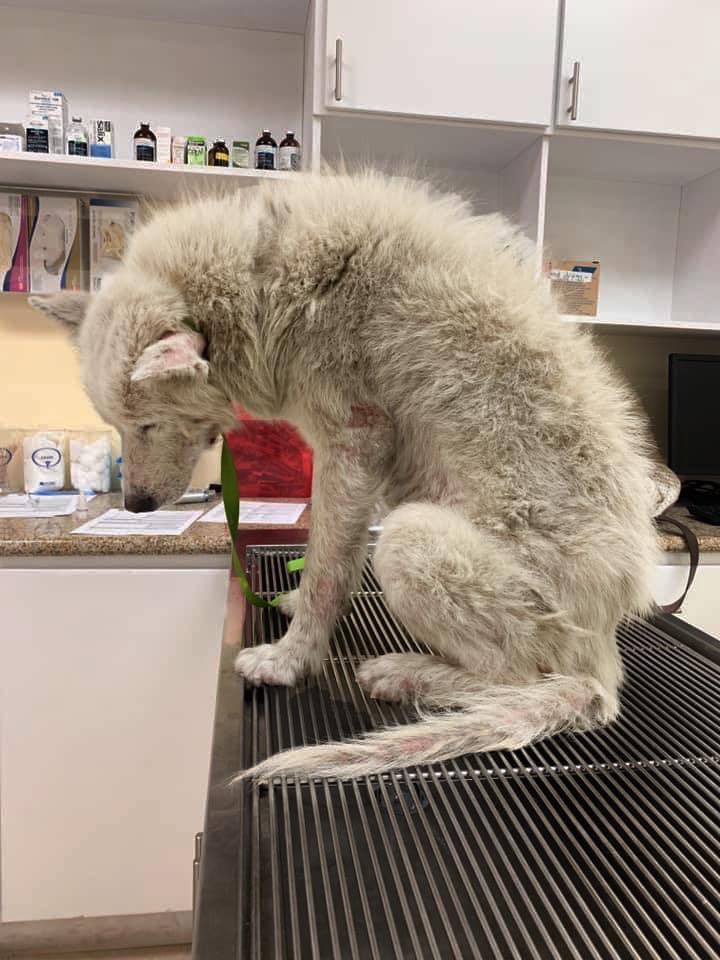
For nearly two years, this was the reality for Anatoli, a Siberian husky whose story seemed destined to end in silence and suffering, ignored by the community that saw him every day.
His routine was one of survival . In hiding, he tried to escape the island’s heat and unwanted attention.
Indifference was his constant companion. A local professor would later confirm that the dog had lived in the area for a long time, a ghostly presence that no one volunteered to help.
He was a part of the landscape, an invisible problem that everyone preferred to avoid.
His head lolled to one side, a silent sign of a past trauma, perhaps a blow or an accident, which only added to his tragic figure.
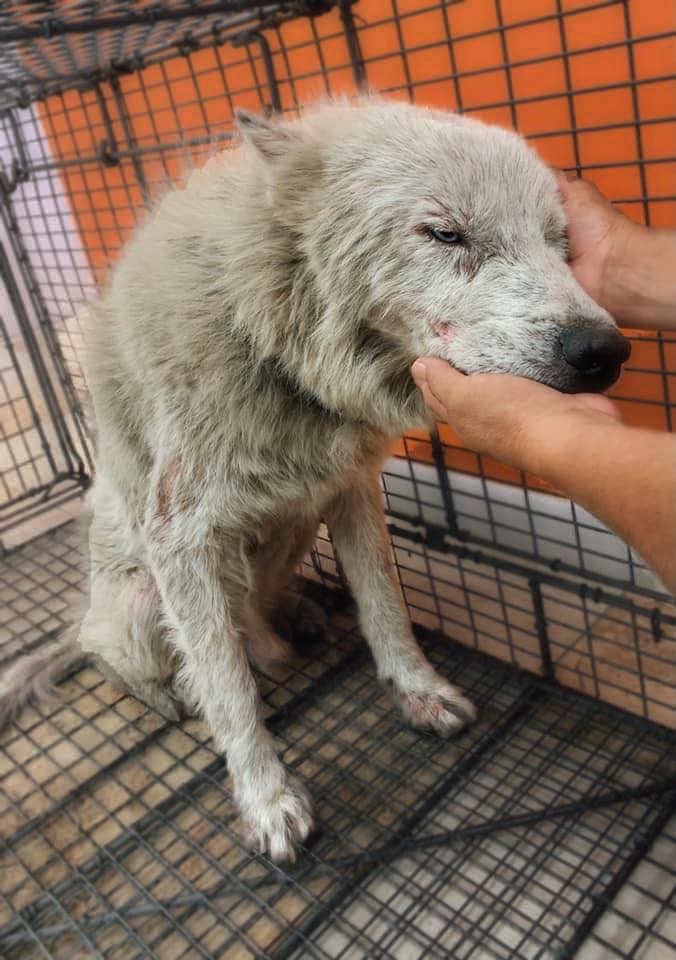
Hope came in the form of a social media post that reached the eyes of Chella Phillips, founder and president of The Voiceless Dogs of Nassau.
The sight of that suffering animal had a profound impact on her. The next day, Phillips went to the high school, equipped with a trap and determined to change its fate.
She found Anatoli exactly where the photos showed, huddled under a vehicle.
The capture, which could have been a long and difficult process with a traumatized animal, was surprisingly quick.
Phillips felt that the dog knew that this was his last and only chance to escape that place.
The road to recovery began at a veterinarian’s table. The diagnosis confirmed the severe mange infestation and revealed the likely cause of his tilted head.
An early head injury had left permanent scars. At around four years old, Anatoli began intensive treatment with medication and vaccinations.
He also received a much-needed bath, a simple act that symbolized the beginning of his new life. Beneath the diseased skin and dirt, a shiny white coat began to appear, the first glimpse of the beautiful husky that lay within.
However, the physical wounds were only part of the battle. The emotional scars ran much deeper.
At the shelter, Anatoli was petrified. He was a closed-off dog, terrified of human proximity. Every attempt at touch, every word of comfort, was met with dread.
Phillips and his team understood that trust would need to be earned in small steps.
They constantly reassured him that he was safe, but the husky couldn’t relax. The world, for him, was still a dangerous place.
The real turning point in his healing process came not from medication, but from friendly barks and tail wags.
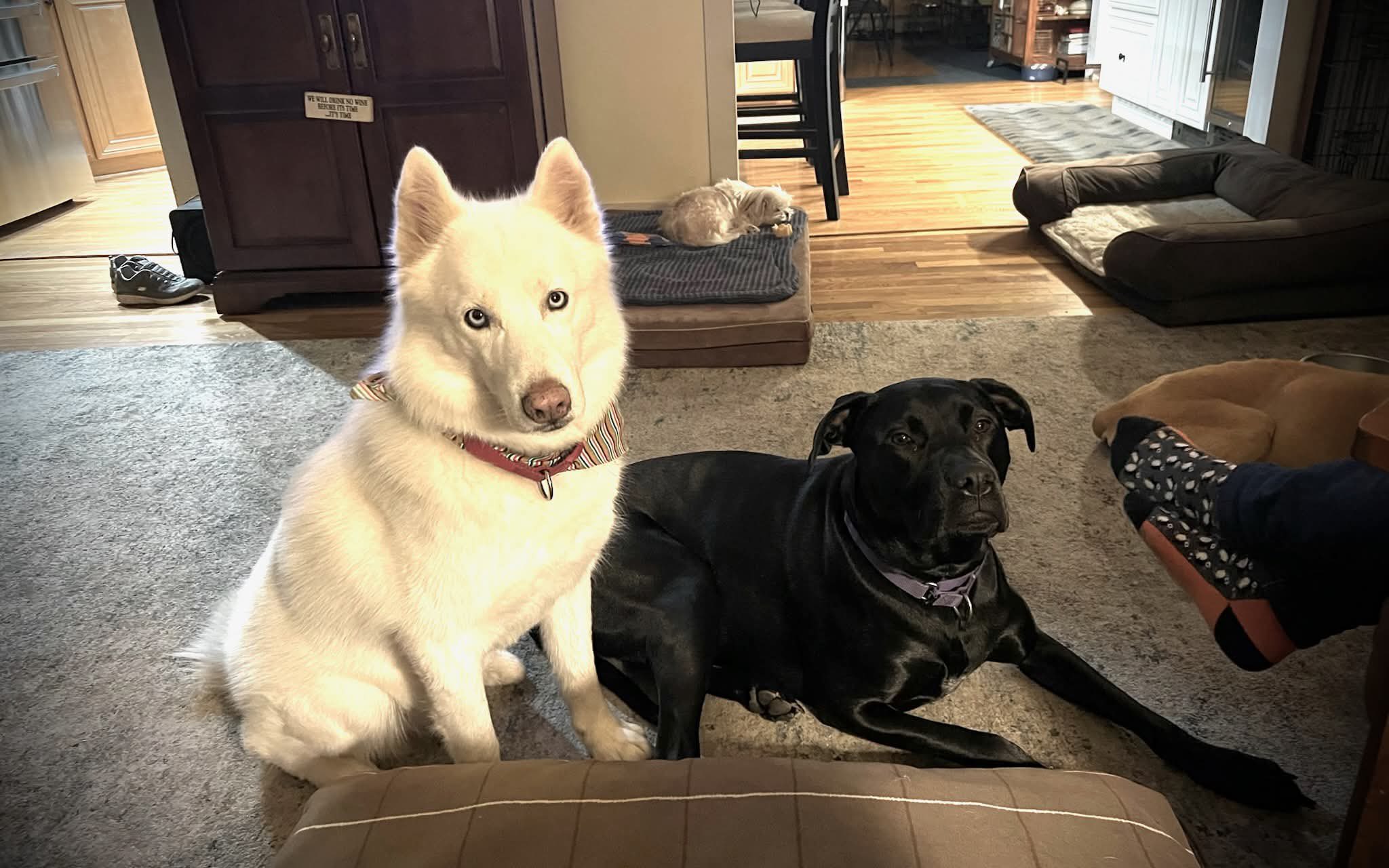
The other rescue dogs at the shelter became his therapists. They welcomed him without judgment, taught him how to interact, and most importantly, how to play.
As he watched his new canine companions interact with the shelter humans without fear, Anatoli began to understand that perhaps he no longer needed to defend himself.
The staff noticed him seeing them around the caregivers and seemed to conclude there was nothing to fear.
It only took a few days of this immersion in an environment of compassion and safety for her fear to begin to dissipate.
Anatoli began to open up. The dog who had previously cowered at the slightest movement now reveled in his new life.
He spent several weeks at Phillips’ shelter, and a smile seemed to have taken up permanent residence on his face.
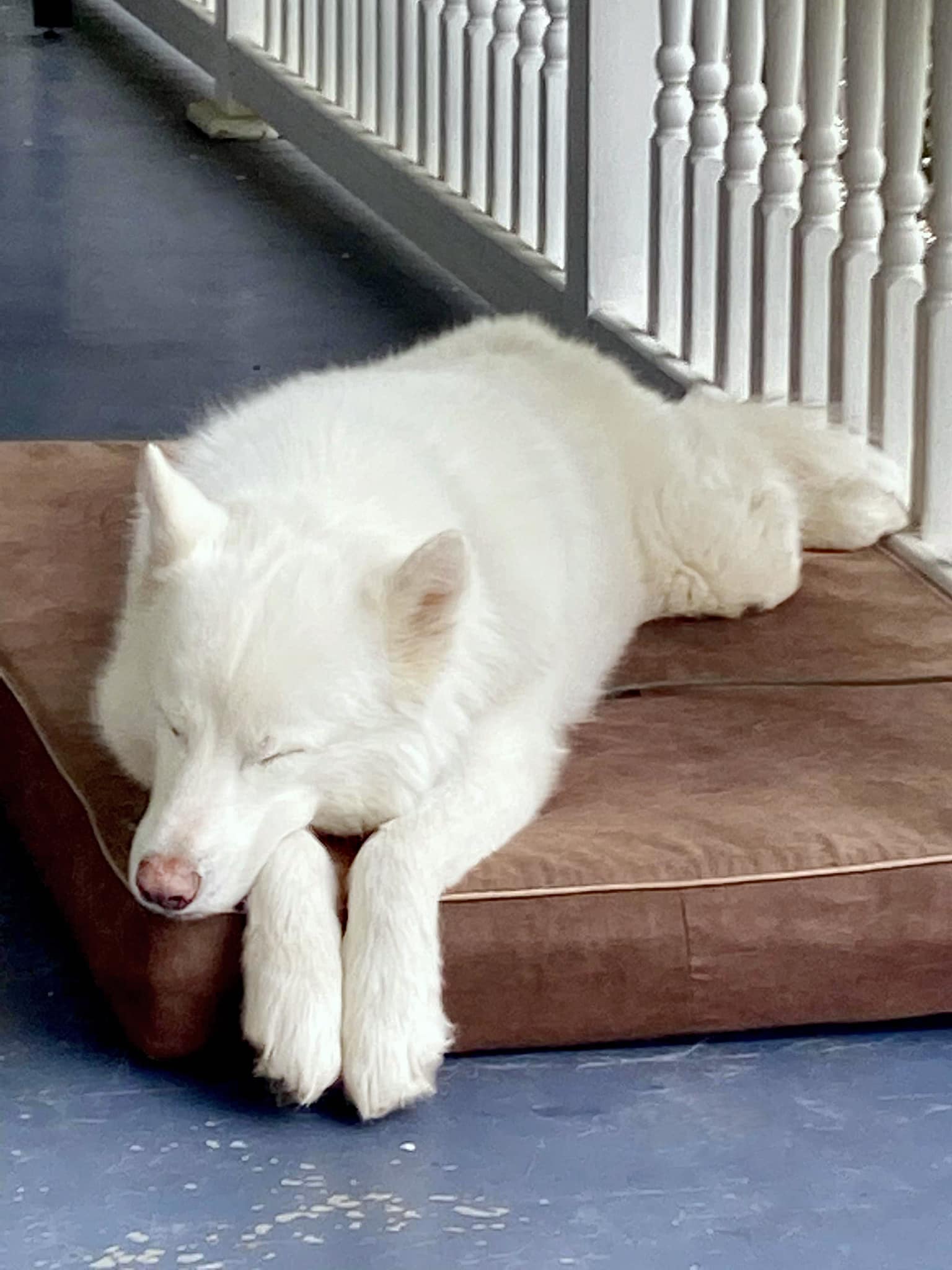
His transformation was visible not only in his healthy growing fur, but in his rising spirit.
With his health restored and ready for the next chapter, Phillips coordinated his transfer to Second Chance Rescue in New York, United States.
The partner organization would have more resources to find him the forever home he so deserved. After additional testing to ensure he was fit for travel, Anatoli left the Bahamas behind.
In New York, he not only found a family, but became what in the rescue world is affectionately called a “failed foster dog,” a term for when the foster family falls so in love that the adoption becomes permanent.
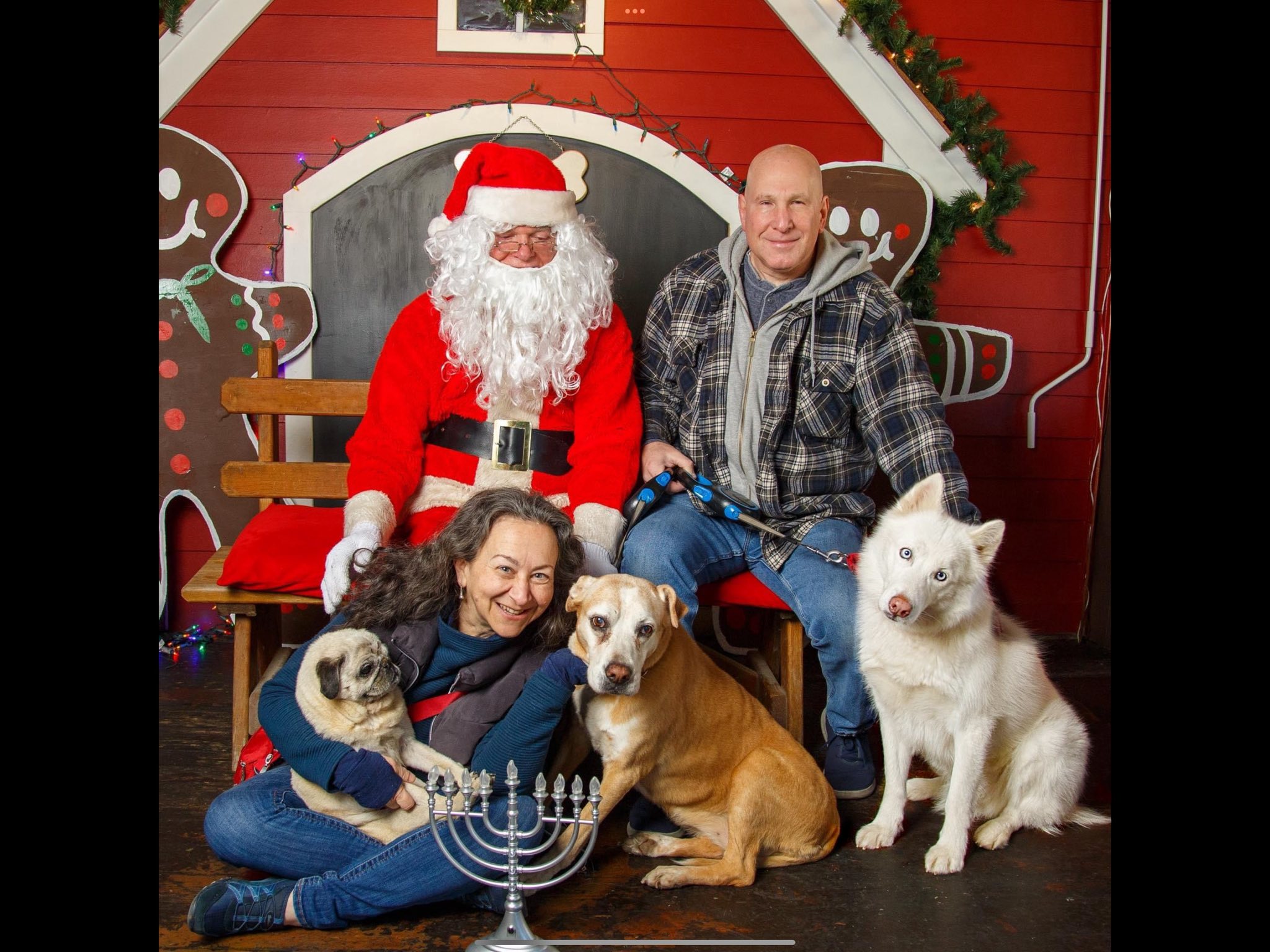
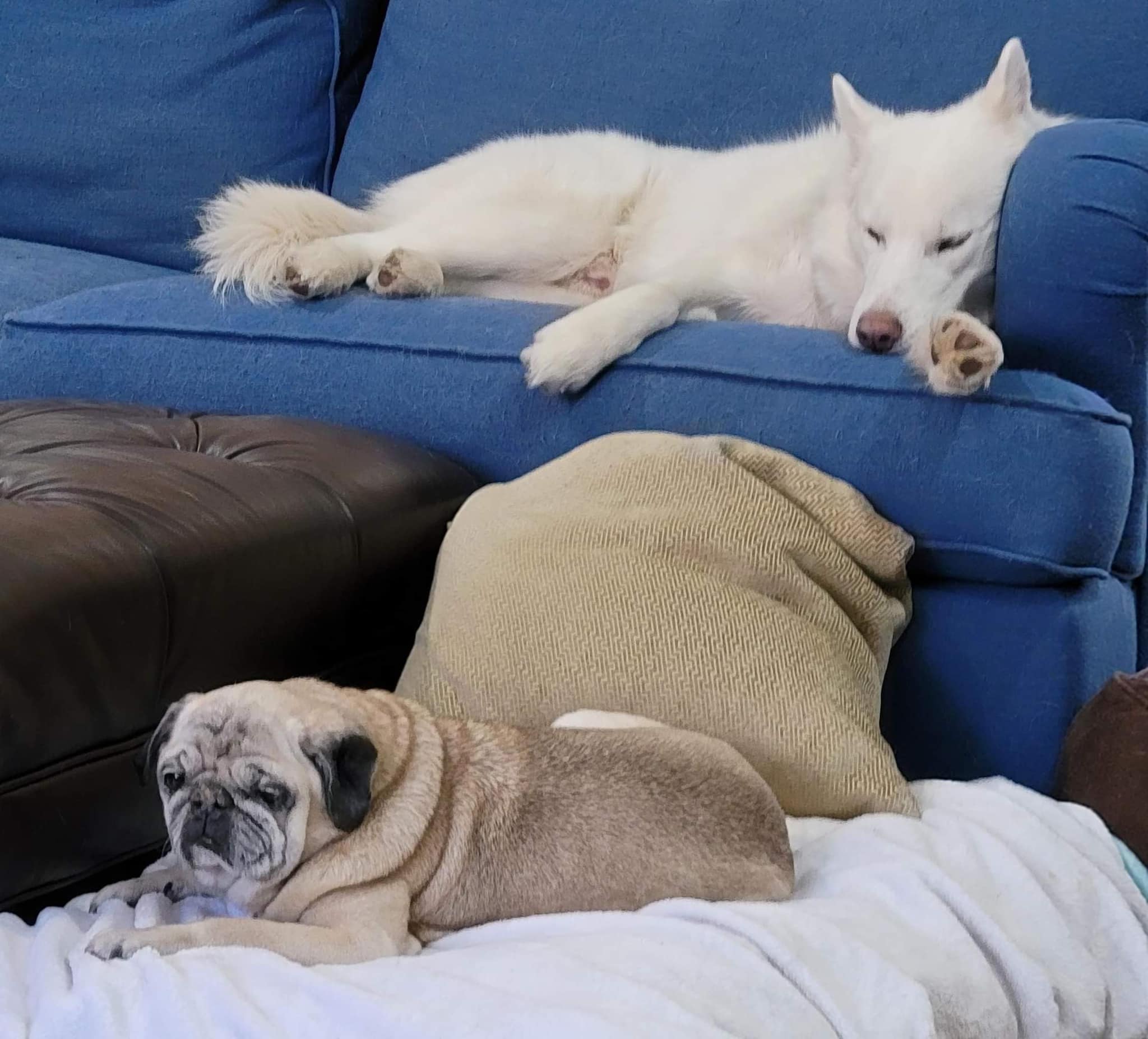
Five years have passed since the rescue. Current images of Anatoli are unrecognizable.
The dog that was once compared to a mythical creature now boasts a fluffy, impeccably groomed white coat.
He rests on soft beds, explores parks with his canine siblings , and experiences the snow , a fitting experience for a Siberian husky.
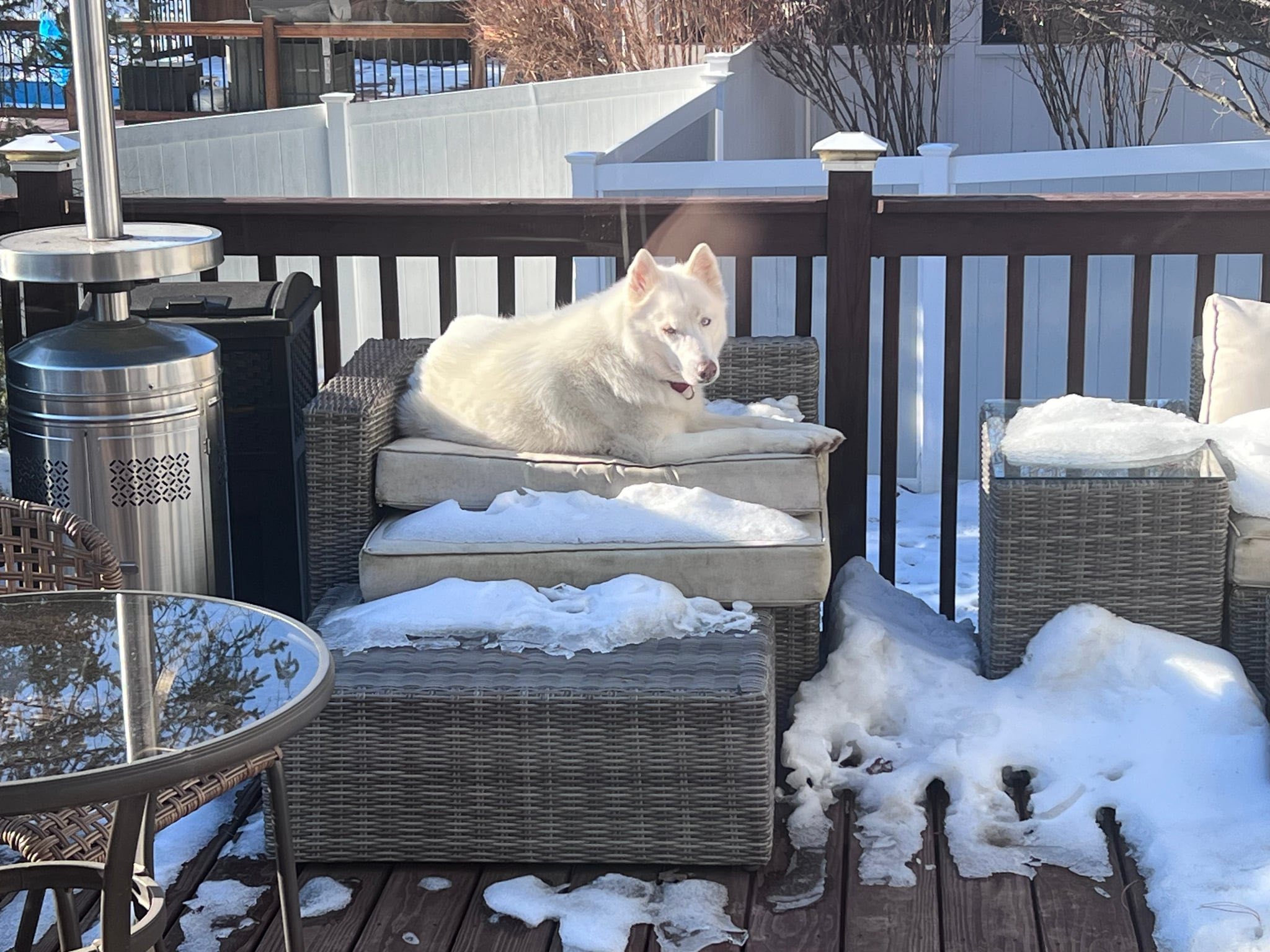
The indifference of people that hurt him so much in the past has been replaced by a love and dedication that fills his every day.
Anatoli, who once meant nothing to anyone, is now everything to his family.