Dust seems to return no matter how often you clean. You wipe a shelf in the morning, and by evening a thin layer has already settled again.
The reason is simple: dust is a mix of tiny particles constantly circulating through your home. It includes dead skin cells, fabric fibers, pet dander, pollen, soil tracked in from outside, and even microscopic debris from cooking.
You may never eliminate dust completely, but you can reduce it significantly with the right habits.
These five methods focus on prevention, smarter cleaning techniques, and controlling how dust enters and moves through your space.
1. Upgrade Your Cleaning Technique, Not Just Frequency
Many people clean often but unintentionally spread dust around instead of removing it. The tools and order you use make a noticeable difference.
Use Microfiber Instead of Feather Dusters
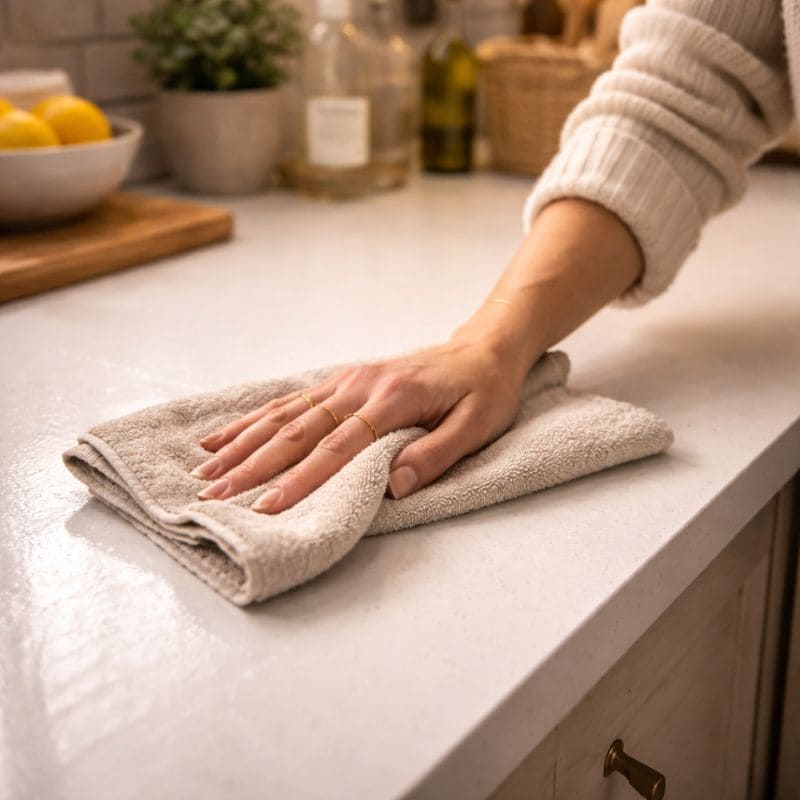
Feather dusters and dry cloths often push particles into the air, allowing them to settle elsewhere. Microfiber cloths trap dust within their fibers rather than scattering it.
Dampen the microfiber cloth slightly with water before wiping surfaces. A lightly damp cloth captures more particles than a completely dry one.
You should wash microfiber cloths separately without fabric softener, since softener coats the fibers and reduces their dust-trapping ability.
Clean From Top to Bottom
Dust falls downward. If you vacuum floors first and then wipe shelves, you will undo your effort.
Start with ceiling fans, light fixtures, and high shelves. Move to mid-level surfaces like tables and countertops. Finish with baseboards and floors. This sequence prevents recontamination.
Vacuum Properly
Vacuum slowly rather than rushing across the floor. Moving the vacuum head at a steady pace allows the suction to pull up embedded particles.
If your vacuum has adjustable height settings, match it to your carpet thickness to improve effectiveness.
Vacuum upholstery, curtains, and even mattresses once a month, since soft surfaces hold significant amounts of dust.
2. Improve Air Filtration and Control Humidity
Dust does not only settle on surfaces. It floats in the air and circulates through your ventilation system.
Change HVAC Filters Regularly
Heating and cooling systems move air throughout your home. If filters are clogged or low quality, they allow dust to recirculate.
Replace HVAC filters every one to three months depending on usage.
You need to choose filters with a higher MERV rating, ideally between 8 and 13 for residential systems. Higher ratings capture smaller particles without restricting airflow excessively.
If you live in an area with high pollen or have pets, monthly filter replacement may be necessary.
Consider a Portable Air Purifier
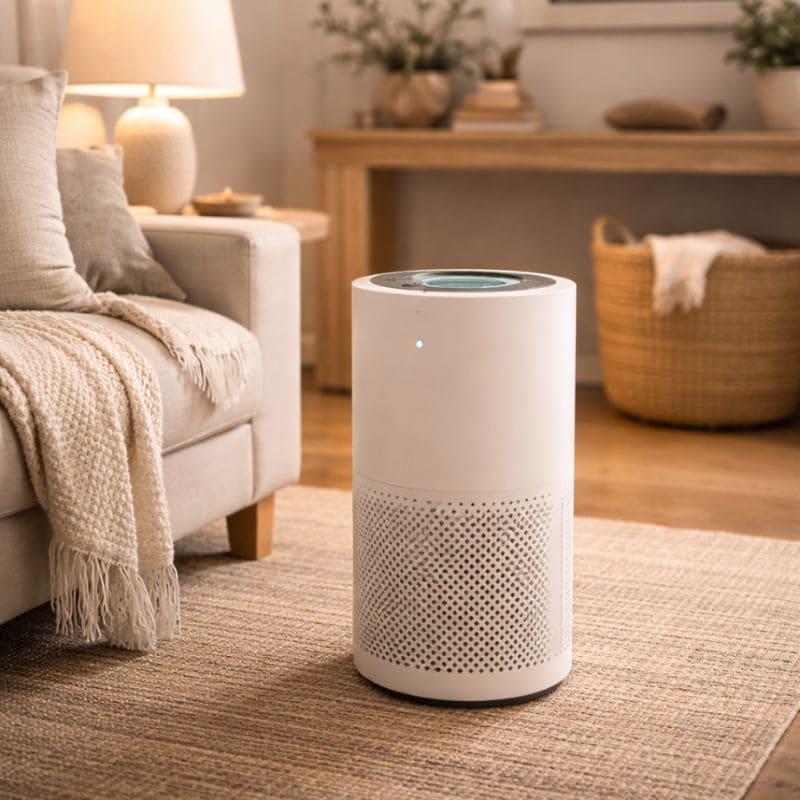
Air purifiers with HEPA filters capture particles as small as 0.3 microns, including dust and pet dander. Place purifiers in bedrooms or living areas where you spend the most time.
Keep doors and windows closed while running a purifier for maximum effectiveness.
Maintain Balanced Humidity
Extremely dry air allows dust to circulate easily, while high humidity encourages dust mites and mold growth.
Aim to keep indoor humidity between 40 and 50 percent. Use a hygrometer to monitor levels. In dry climates, a humidifier can reduce airborne particles by adding slight moisture.
In humid climates, a dehumidifier prevents mold and dust mite proliferation.
3. Control What Comes Into Your Home
Much of the dust inside originates outdoors. Shoes, clothing, and pets carry in dirt and pollen that later break down into fine particles.
Create a Shoe-Free Entry
Shoes track in soil, pollen, and debris. Establish a no-shoes policy indoors and place a shoe rack or basket near the entryway.
Add a sturdy outdoor doormat and an indoor mat just inside the door. Encourage guests to wipe their feet thoroughly before entering.
Wash doormats regularly to prevent accumulated dirt from reentering the air.
Groom Pets Frequently
Pet dander and fur contribute significantly to indoor dust. Brush pets outside if possible to prevent loose hair from circulating inside.
Wash pet bedding weekly in hot water. Vacuum areas where pets sleep at least twice a week.
Shake Out Fabrics Outdoors
Throw blankets, rugs, and cushions can release built-up dust when shaken outdoors. Doing this regularly prevents fine particles from continuously redistributing inside your home.
4. Reduce Dust-Holding Surfaces
Certain materials collect dust faster than others. Minimizing clutter and selecting easier-to-clean fabrics can make a substantial difference.
Declutter Horizontal Surfaces
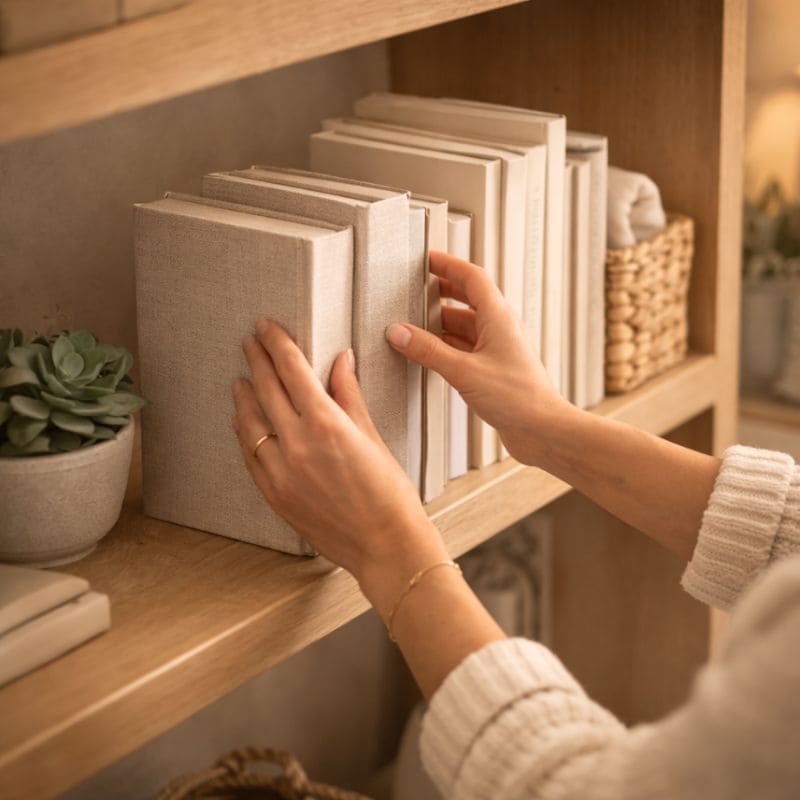
Bookshelves filled with small decorative items accumulate dust quickly because of the many edges and surfaces. Reducing decorative clutter simplifies cleaning and limits dust buildup.
Keep frequently used surfaces as clear as possible. Fewer objects mean fewer places for particles to settle.
Choose Washable Window Treatments
Heavy drapes attract dust and are often difficult to clean regularly. Consider washable curtains or blinds that can be wiped down easily.
If you prefer fabric curtains, vacuum them monthly using an upholstery attachment.
Opt for Hard Flooring When Possible
Wall-to-wall carpet traps dust deep within fibers. While regular vacuuming helps, hard flooring such as wood, tile, or laminate is easier to clean thoroughly.
If you have rugs, choose low-pile options that release dust more easily during vacuuming.
5. Maintain Bedding and Soft Furnishings Consistently
Bedrooms are often the dustiest rooms in the house due to fabric surfaces and constant shedding of skin cells.
Wash Bedding Weekly
Wash sheets and pillowcases in hot water once a week to remove dust mites and allergens. Dry completely before remaking the bed.
Mattress protectors and pillow covers designed to block allergens can significantly reduce dust accumulation inside bedding.
Vacuum Mattresses and Upholstery
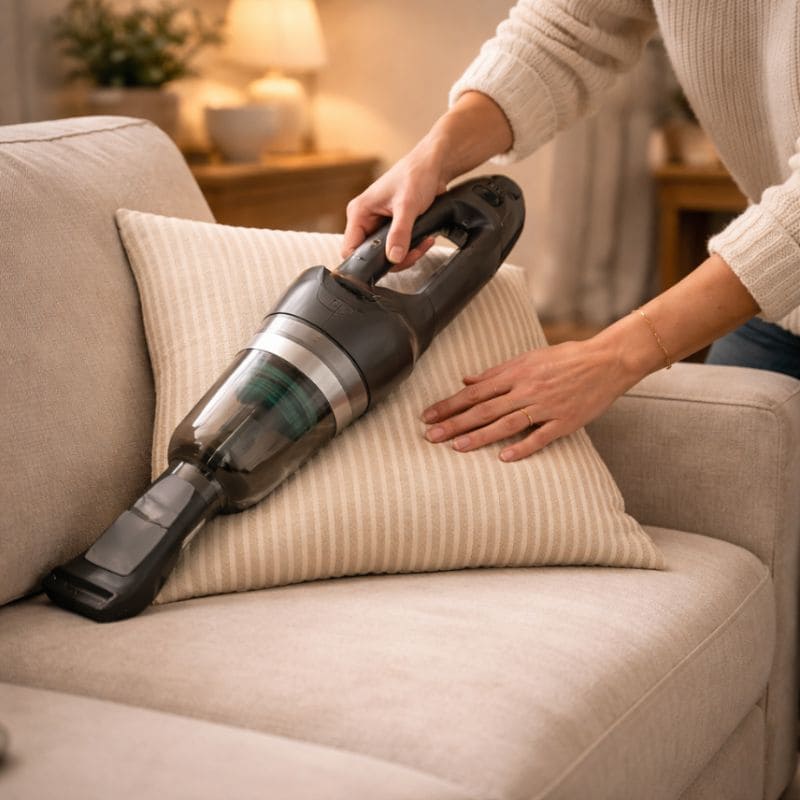
Use a vacuum with a HEPA filter to clean mattresses every one to two months. Vacuum sofas and upholstered chairs weekly, especially in high-use households.
Rotate and Clean Pillows
Pillows accumulate dust internally over time. Replace pillows every one to two years depending on quality. Wash washable pillows periodically according to manufacturer instructions.
Small Habits That Add Up
A few additional adjustments can reduce dust noticeably:
- Keep windows closed on high pollen days.
- Dust baseboards and ceiling fan blades regularly.
- Store off-season clothing in sealed containers.
- Avoid overusing dry sweeping methods that push particles into the air.
Consistency matters more than perfection. Reducing dust requires ongoing attention rather than occasional deep cleaning.