A Practical Guide to the Satiety Index and Budget-Friendly Eating
If you have ever finished a meal only to feel hungry again an hour later, you have experienced one of the most overlooked drivers of food spending. When meals fail to create lasting fullness, hunger returns quickly, and with it comes the temptation to snack, grab convenience foods, or add extra portions that were never part of the plan.
The issue is rarely about eating too little. More often, it is about eating foods that digest quickly and fail to sustain fullness. Understanding which foods naturally keep you satisfied for longer periods allows you to structure meals that reduce unnecessary snacking and stabilize energy.
This is where the concept of the Satiety Index becomes useful, not as a dieting tool, but as a budgeting strategy rooted in nutritional science.
When you choose foods that work harder for you metabolically, you reduce the frequency of reactive eating decisions. That shift alone can lower food waste, minimize impulse purchases, and make grocery spending more predictable.
What the Satiety Index Actually Measures
The Satiety Index originated from research conducted in the 1990s by Dr. Susanna Holt and her colleagues, who sought to measure how full different foods made people feel when calorie amounts were kept constant.
In the study, participants consumed portions of various foods that each contained the same number of calories. White bread was used as the reference point and assigned a score of 100. Other foods were then scored relative to that baseline.
Some foods produced significantly greater fullness despite having identical calorie content. Others resulted in faster return of hunger. This demonstrated that calorie count alone does not determine satisfaction. Instead, factors such as fiber, protein, water content, and food structure influence how long fullness lasts.
For anyone trying to stretch a grocery budget without feeling restricted, this insight is powerful. If two foods contain similar calories but one keeps you satisfied for twice as long, the more filling option effectively reduces total daily intake without conscious effort. That translates into fewer snacks and fewer supplemental purchases.
What Makes a Food Filling: The Science Behind Satiety
A combination of mechanical and hormonal signals regulates fullness. When you eat, your stomach expands, triggering stretch receptors that send signals to the brain. At the same time, nutrients stimulate the release of hormones such as peptide YY and GLP-1, which reduce appetite, while suppressing ghrelin, the hormone associated with hunger.
Protein plays a particularly strong role in this process because it takes longer to digest and has a greater effect on satiety hormones. Fiber contributes by slowing digestion and increasing the physical bulk of food.
Water content increases volume without increasing calories, enhancing stomach distension. Foods with lower energy density allow you to consume a larger portion for fewer calories, reinforcing both physical and psychological satisfaction.
The most effective budget foods tend to combine several of these characteristics. Interestingly, many of them are simple staples that have been relied upon for generations.
Potatoes: An Unexpected Satiety Index Leader
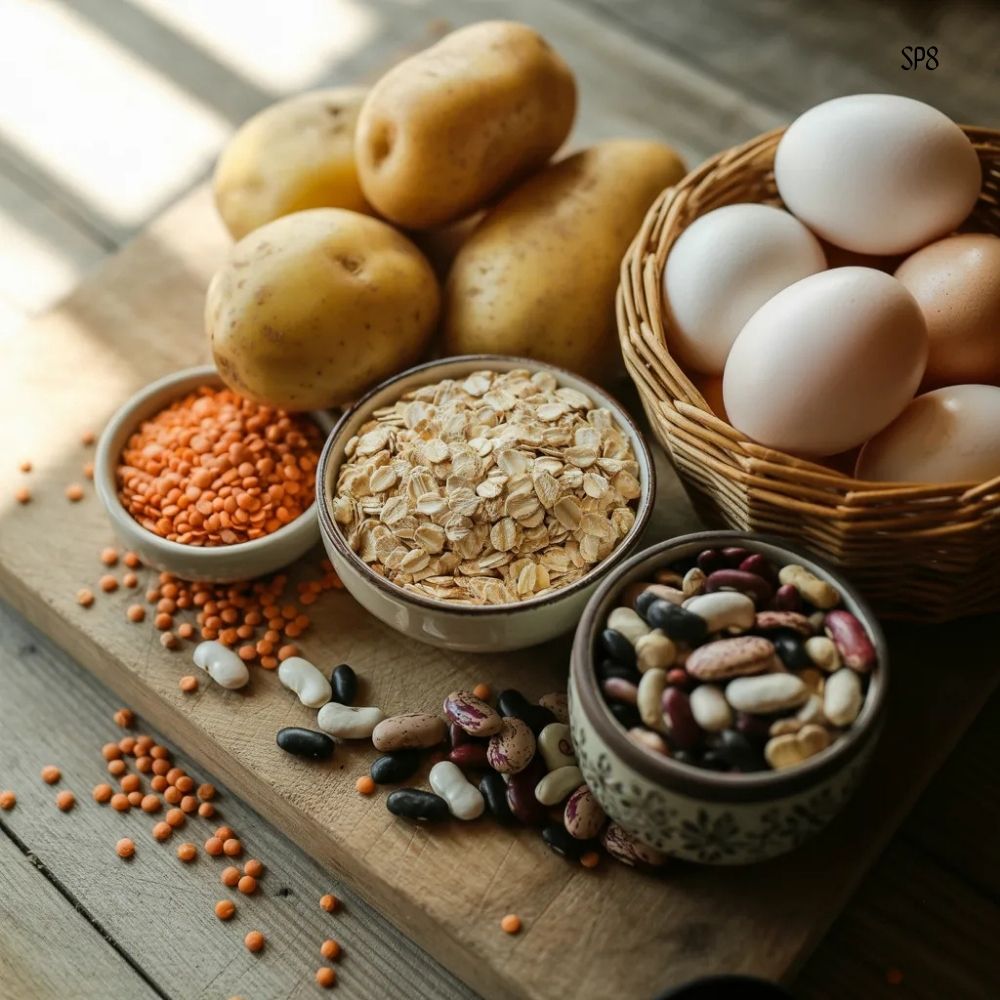
Despite their mixed reputation in modern diet culture, boiled potatoes ranked at the top of the original Satiety Index. When prepared without excessive added fat, potatoes provide high volume, moderate fiber, and significant water content, all of which contribute to fullness.
From a financial standpoint, potatoes remain one of the most cost-effective foods available. A large bag can provide multiple meals at a low cost per serving. When cooled after cooking, potatoes also develop resistant starch, which functions similarly to fiber and may enhance satiety further.
The key distinction lies in preparation. Boiled or baked potatoes behave very differently from fried versions, which are higher in energy density and easier to overconsume. When included as part of a balanced meal alongside protein and vegetables, potatoes become a powerful satiety anchor.
Oats: A Stable and Affordable Foundation
Oats consistently perform well in satiety research due to their beta-glucan content, a type of soluble fiber that slows digestion and stabilizes blood sugar. Compared to refined breakfast cereals, oats tend to produce longer-lasting fullness and reduce mid-morning hunger.
Rolled oats and steel-cut oats are inexpensive, store well, and can be prepared in large batches. When combined with protein sources such as yogurt, milk, or nuts, they create a meal that sustains energy for several hours. This stability reduces the likelihood of reaching for convenience snacks before lunch.
In practical terms, oats offer one of the lowest costs per filling breakfast when compared to packaged alternatives.
Eggs: Efficient Protein at a Low Cost
Eggs provide complete protein, meaning they contain all essential amino acids. Research consistently shows that protein-rich breakfasts lead to greater fullness and reduced later intake compared to carbohydrate-heavy meals of equal calories.
Because eggs are relatively inexpensive per serving, they offer an efficient way to increase satiety without increasing spending significantly. Pairing eggs with fiber-rich foods such as vegetables or whole grains enhances their effect, creating balanced meals that sustain energy well into the afternoon.
For households looking to reduce snack frequency, incorporating eggs into morning or midday meals can have a measurable impact.
Lentils and Beans: Dual-Purpose Budget Staples
Lentils and beans combine protein and fiber in a way that few other low-cost foods can match. Their slow digestion rate helps regulate blood sugar and prolong fullness. Dried versions are particularly economical and can be cooked in bulk for use throughout the week.
When added to soups, stews, rice dishes, or salads, lentils and beans increase the satiety value of meals without significantly raising costs. Their versatility also reduces reliance on more expensive protein sources.
Over time, incorporating legumes regularly can lower overall food spending while maintaining meal satisfaction.
Greek Yogurt: Protein Density Without Complexity
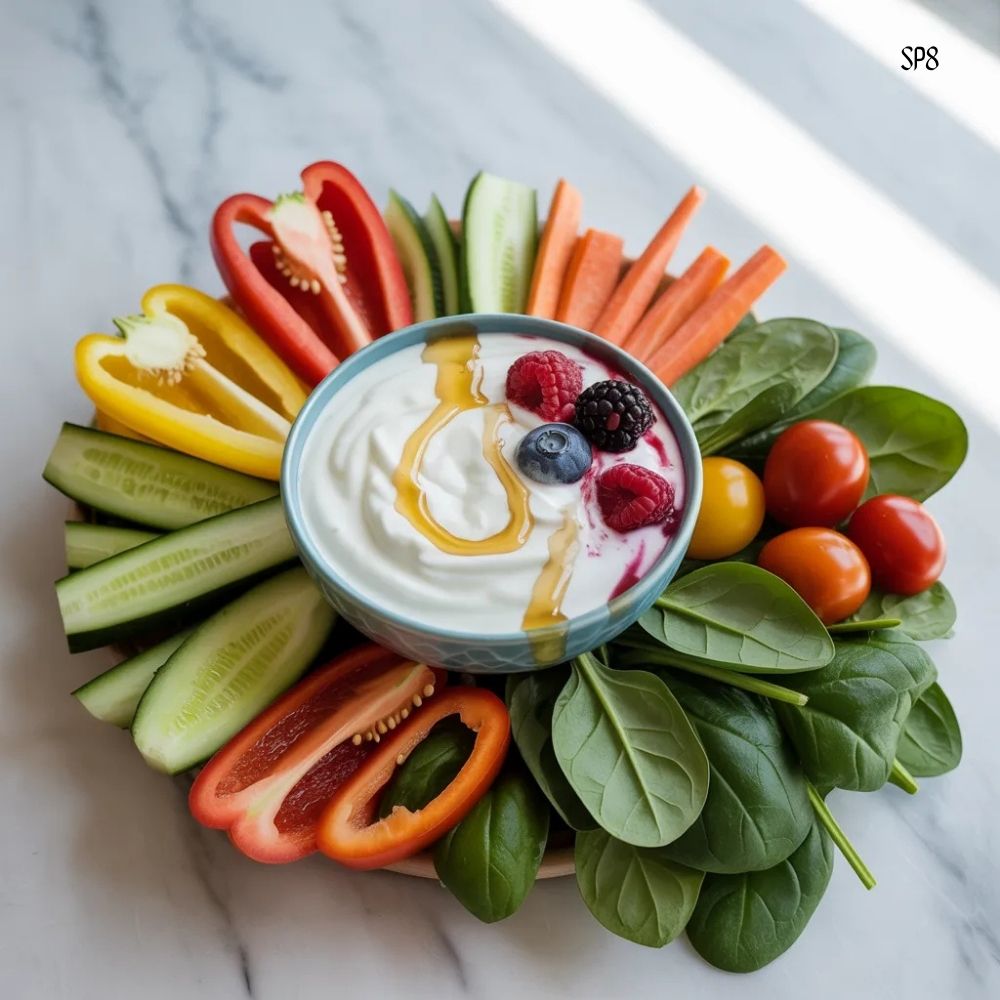
Plain Greek yogurt contains significantly more protein than regular yogurt, which enhances fullness and reduces the likelihood of early hunger. Purchasing larger containers instead of individual servings keeps costs manageable.
Because Greek yogurt has a thick texture, it also increases perceived satisfaction. Texture influences satiety in subtle ways, as thicker foods tend to feel more substantial.
Used as a breakfast base, snack option, or ingredient in savory dishes, it can contribute to a balanced, filling eating pattern without requiring expensive specialty foods.
High-Volume Vegetables: Stretching Meals Without Stretching Budgets
Vegetables such as cabbage, carrots, and onions may not be high in protein, but they dramatically increase meal volume. Greater volume enhances stomach distension and signals fullness, even when calorie content remains moderate.
Cabbage in particular is inexpensive, stores well, and can be incorporated into numerous dishes. Adding vegetables to meals increases chewing time, which may further contribute to satiety through slower eating and enhanced sensory satisfaction.
The financial advantage comes from their ability to expand portions without expanding cost proportionally.
Why Some Cheap Foods Fail to Satisfy
Refined carbohydrates such as white bread, pastries, and sugary cereals digest rapidly and provide limited fiber or protein. They often cause quick rises in blood sugar followed by declines that trigger renewed hunger. While these foods may appear inexpensive at first glance, they frequently lead to additional consumption later in the day.
From a budgeting perspective, foods that require frequent supplementation through snacks are less efficient than those that sustain fullness.
How to Build Meals That Keep You Full for Hours
Rather than focusing on single ingredients, it is more useful to think in terms of structure. A filling, cost-effective meal typically includes a protein source, a fiber-rich carbohydrate, and vegetables for volume. Moderate amounts of fat can further slow digestion and enhance flavor.
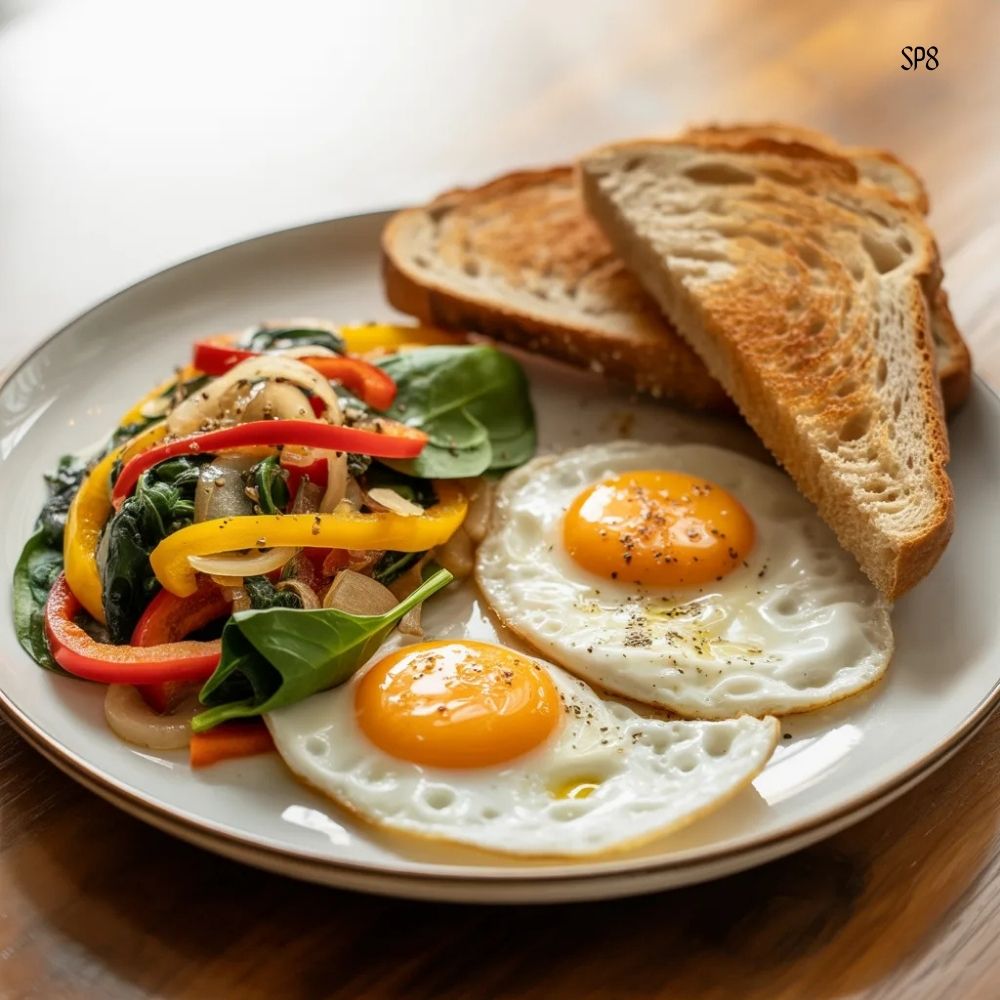
For example, a lentil and potato stew with cabbage combines fiber, protein, and volume in one dish. Oats prepared with yogurt and fruit provide a balanced breakfast that reduces mid-morning snacking. Eggs served with sautéed vegetables and whole-grain toast create a stable and satisfying meal.
How Satiety Reduces Overall Food Spending
When meals keep you satisfied for four to five hours, you are less likely to purchase additional snacks, rely on convenience foods, or overconsume at the next meal. Hunger becomes predictable rather than urgent.
Predictable hunger allows for better planning. Urgent hunger often leads to expensive decisions. Over weeks and months, choosing high-satiety staples can reduce both food waste and impulse purchases. The savings come not from deprivation but from efficiency.
Final Thoughts
The concept of the Satiety Index reframes how we think about grocery shopping. Instead of prioritizing price per calorie alone, it encourages consideration of price per hour of fullness.
By structuring meals around protein, fiber, and volume, you create a system that supports both financial stability and physical satisfaction. Hunger becomes less reactive, cooking becomes more predictable, and your grocery budget becomes easier to manage.