Why Carryover Cooking Is the Secret to Tender, Reliable Weeknight Chicken
Dry chicken is one of the most common frustrations in home cooking. It does not usually happen because of poor ingredients or a lack of seasoning.
More often, it happens because of timing. Chicken breast, in particular, is lean, low in fat, and quick to tighten when exposed to prolonged heat. The difference between juicy chicken and dry can be only a few degrees.
Many home cooks aim for the recommended safe internal temperature of 165°F and keep cooking until the thermometer reaches that exact number while the chicken is still in the pan or oven.
What is often overlooked is that heat does not stop working the moment you remove food from the stove. Chicken continues to cook after it leaves the heat source. Understanding this concept, known as carryover cooking, can transform the way you prepare poultry.
This juicy chicken method does not require brining, marinating, or complicated techniques. It requires adjusting when you stop cooking and allowing the resting period to do its job.
What Is Carryover Cooking?
Carryover cooking refers to the continued rise in internal temperature that occurs after food is removed from direct heat. When chicken is cooking, the outer layers become hotter than the center. Once removed from heat, that outer heat gradually moves inward, raising the internal temperature further.
In most cases, the internal temperature of chicken will rise by three to five degrees during resting, depending on thickness and cooking method. If you cook chicken until it reaches 165°F while still on the heat source, carryover cooking can push it closer to 170°F or higher.
At that point, moisture loss accelerates, and the meat fibers tighten significantly. The key insight is that safe temperature can be reached during the resting phase rather than entirely on the stove or in the oven.
Why Chicken Dries Out So Easily
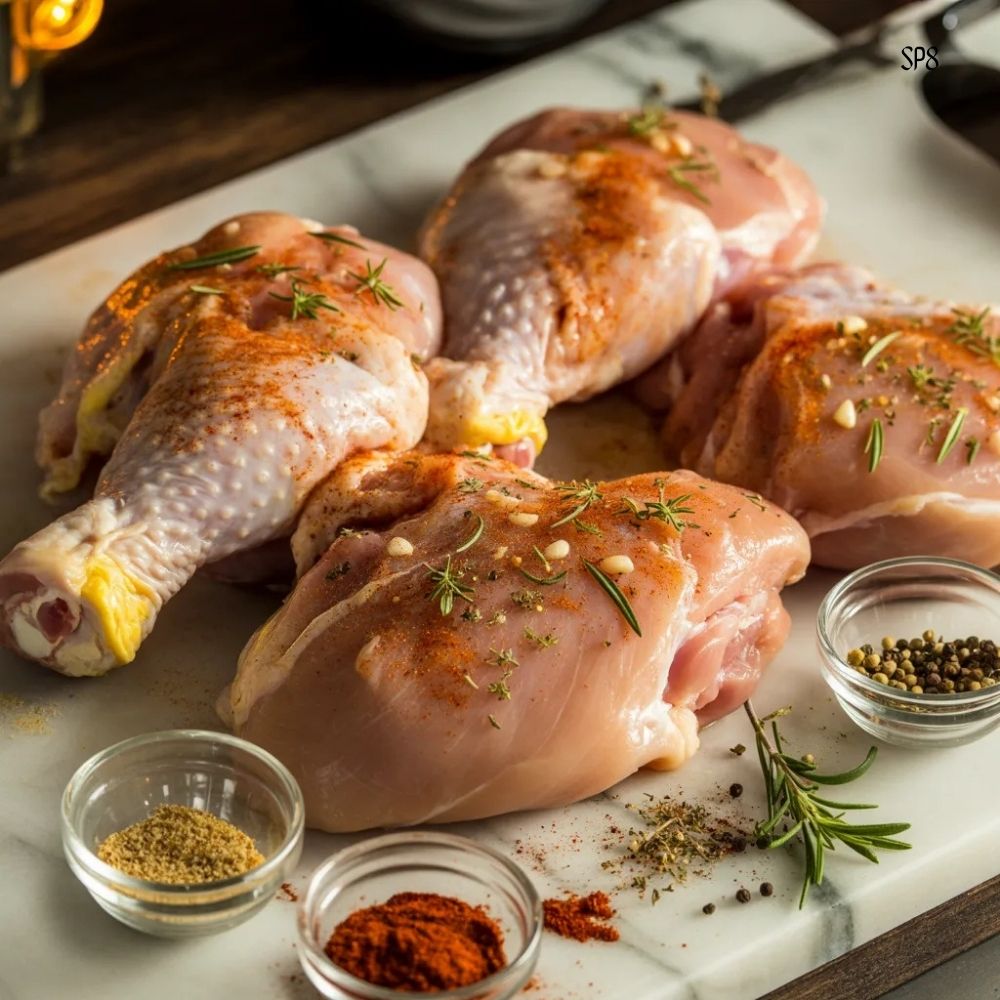
Chicken breast is naturally low in fat and connective tissue. Unlike cuts of meat that contain marbling or collagen, it does not have internal cushioning against moisture loss. As protein fibers heat, they contract and squeeze out water. The higher the temperature climbs, the more aggressively those fibers tighten.
Once the internal temperature climbs too far above the safe zone, the texture becomes firm, chalky, and less enjoyable. Even a small overshoot can noticeably change the eating experience.
The Temperature Window That Works
Instead of cooking chicken all the way to 165°F while it is still over heat, remove it when the internal temperature reaches approximately 160 to 162°F in the thickest part. After removal, allow it to rest for five to ten minutes.
During this time, the internal temperature will continue rising naturally and reach the recommended safe level. This adjustment prevents overshooting while still maintaining food safety standards.
Using a digital instant-read thermometer makes this method consistent and reliable. Insert the thermometer into the thickest portion without touching bone, and monitor closely toward the end of cooking.
Why Resting Is Not Optional To Have Juicy Chicken
Resting is often overlooked, but it plays a crucial role in moisture retention. When chicken cooks, juices move toward the center. If you slice it immediately, those juices escape onto the cutting board. When you allow the meat to rest, the internal pressure equalizes, and juices redistribute more evenly.
The result is meat that retains more moisture within each slice rather than losing it externally. Even five minutes of resting can significantly improve texture.
Applying the Juicy Chicken Hack to Different Cooking Methods
The carryover principle works across multiple cooking techniques, though the temperature rise may vary slightly.
Pan-Seared Chicken Breast
Cook over medium heat until both sides are golden and the internal temperature approaches 160°F. Remove from heat and rest loosely covered with foil. The gentle tent prevents rapid cooling while avoiding trapped steam that could soften the exterior.
Oven-Baked Chicken
Begin checking internal temperature earlier than you think necessary. Once it reaches 160 to 162°F, remove from the oven. Oven cooking often creates stronger carryover effects due to consistent surrounding heat.
Grilled Chicken
Because grills can create high surface temperatures, carryover cooking may be slightly more pronounced. Monitor closely and remove promptly once the target pre-rest temperature is reached.
What If You Do Not Own a Thermometer?
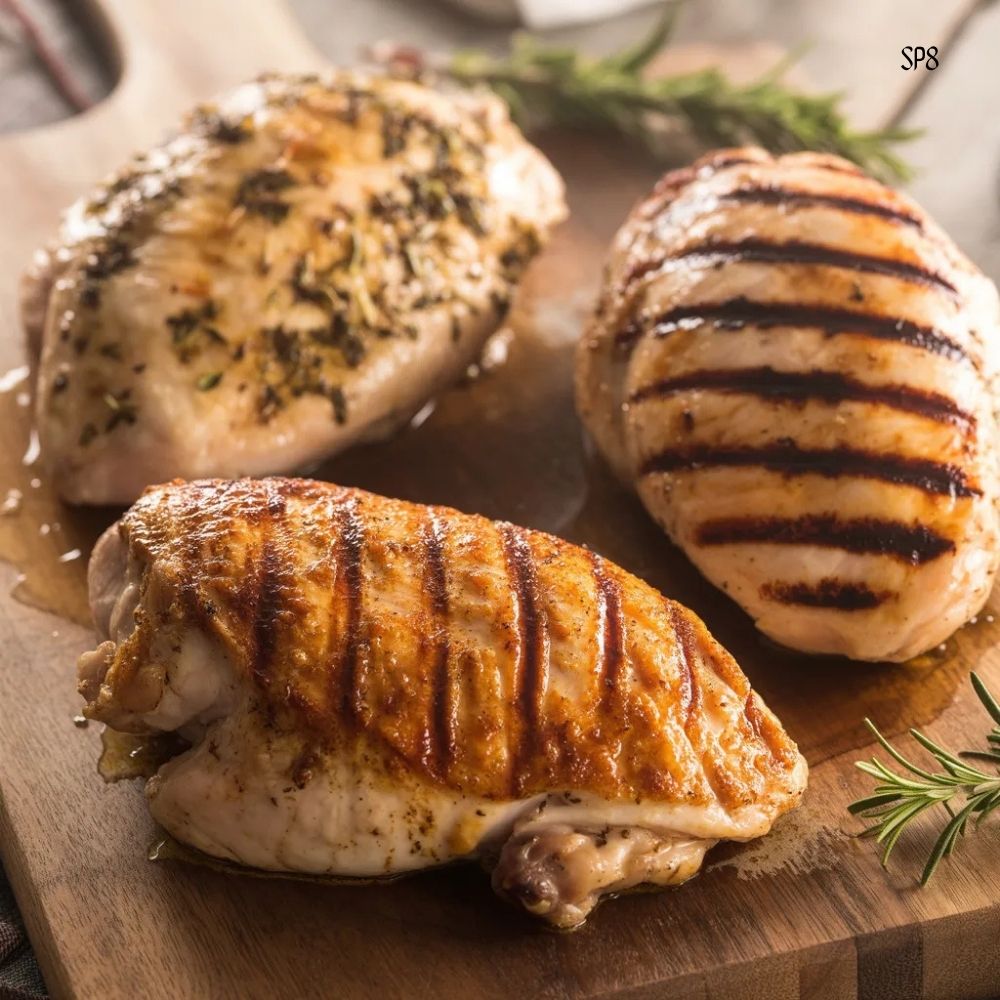
While a thermometer provides the most reliable results, visual cues can still guide you. Properly cooked chicken should be opaque throughout, with clear juices rather than cloudy ones. The meat should feel firm but not rigid when pressed gently.
However, if chicken is a frequent part of your cooking routine, a thermometer is one of the most practical kitchen investments you can make. It removes guesswork and reduces both overcooking and undercooking risk.
How This Hack Saves Money
Dry chicken often leads to food waste. Tough leftovers are less appealing in salads, wraps, or reheated meals. When texture suffers, food is more likely to be discarded.
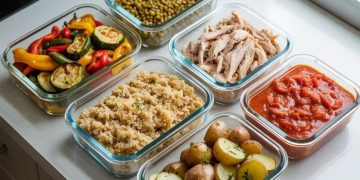
Juicy chicken, on the other hand, remains versatile and enjoyable the next day. It integrates smoothly into grain bowls, sandwiches, soups, and stir-fries.
Preserving moisture effectively extends the value of each portion. Over time, consistently preventing dryness reduces wasted protein, which is often one of the more expensive components of a meal.
Pairing Temperature Control with Proper Thickness
For even better results, consider pounding thick chicken breasts to a more uniform thickness before cooking. When thickness is consistent, heat distributes more evenly, reducing the risk of overcooking thin edges while waiting for the center to finish. This small step further increases reliability and shortens cooking time.
A Simple Side-by-Side Test
If you want to experience the difference directly, cook two similar chicken breasts. Remove one at 165°F while still in the pan. Remove the other at 160 to 162°F and allow it to rest. Compare texture and moisture after slicing. The difference is usually noticeable, even without measuring tools.
The Larger Lesson: Cooking Is About Control, Not Complexity
Preventing dry chicken does not require elaborate marinades or specialty equipment. It requires understanding how heat behaves and adjusting timing accordingly. Many cooking improvements stem from small shifts in sequence rather than additional ingredients.
Carryover cooking is a quiet principle that improves not only chicken but many other proteins as well. Once you internalize it, your overall cooking accuracy improves.
Final Thoughts
The difference between dry and juicy chicken is often only a few degrees. By removing chicken from heat slightly earlier and allowing resting to complete the process, you protect moisture, improve texture, and increase the likelihood that leftovers remain enjoyable.
This method costs nothing, requires minimal adjustment, and delivers consistent results. For busy weeknights when reliability matters most, understanding carryover cooking may be one of the most valuable skills you can apply.