The atmosphere at Shendiaoshan Zoo in Shandong Province, China, was thick with anxiety and confusion one fateful day when the staff witnessed a scene that no one could have anticipated. A mother elephant, who had just given birth, suddenly turned on her newborn, attempting to trample on the tiny creature just minutes after its arrival into the world. The workers were horrified, not knowing how to react to such an unimaginable situation.
At first, it seemed like an accident. The staff quickly sprang into action, carefully moving the newborn elephant, named Zhuang Zhuang, to a recovery area, hoping to protect it from further harm. They cautiously returned the baby to the mother’s side, trusting that the maternal instincts of the elephant would take over. But what happened next left them in even greater shock.
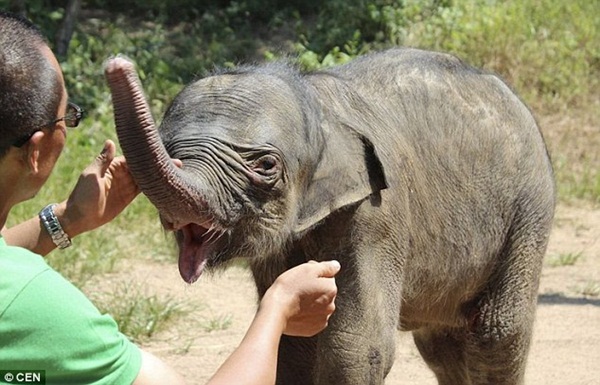
The mother elephant, instead of showing any sign of affection or maternal protection, attempted to trample on Zhuang Zhuang again. The caretakers, frantic and unsure of what to do, quickly took the fragile baby away, placing it in a safe zone far from its mother. Panic ensued as the staff grappled with the situation, unsure of how to comfort both the baby and themselves.
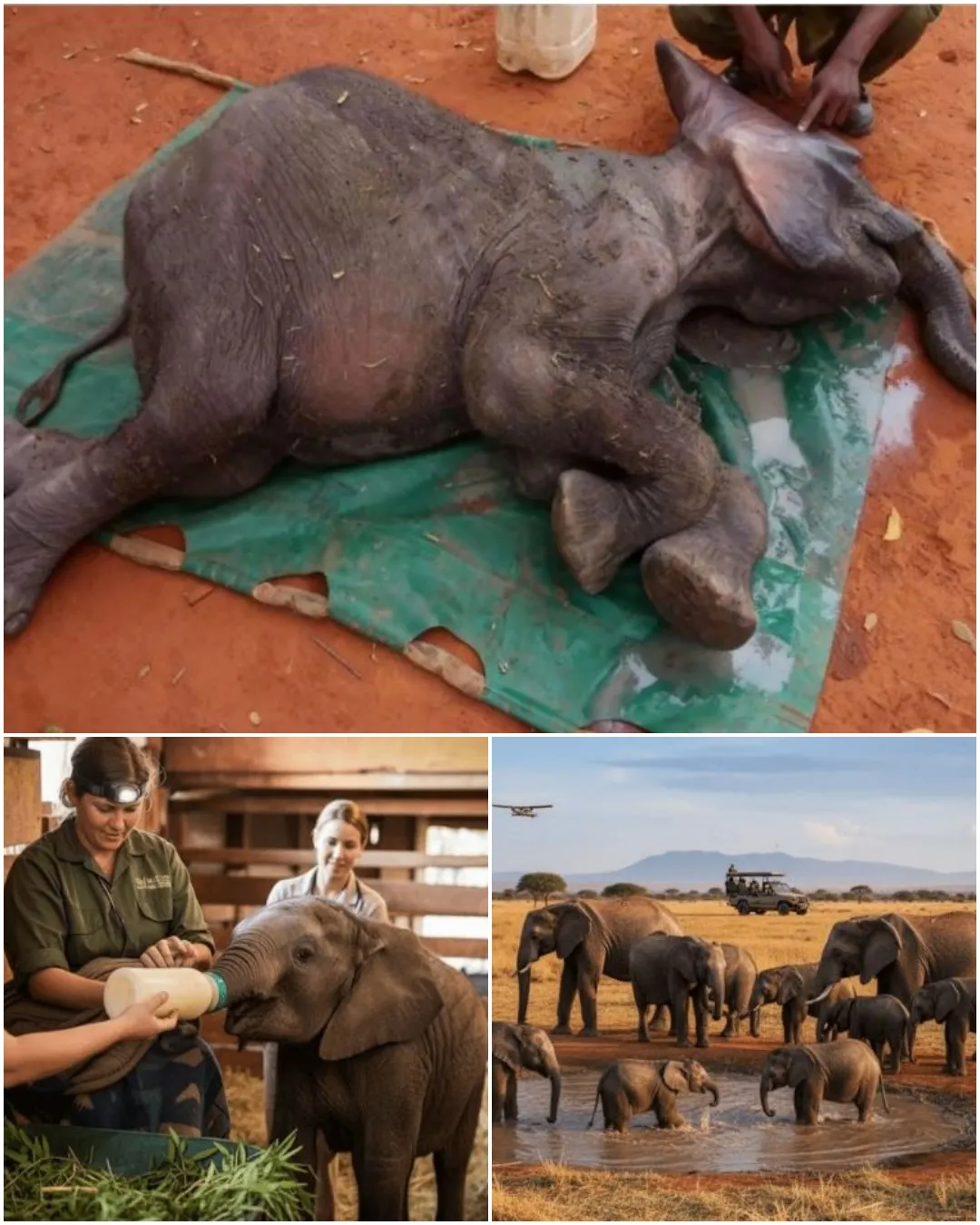
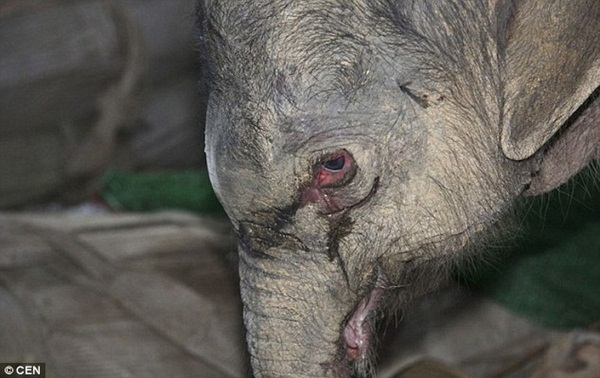
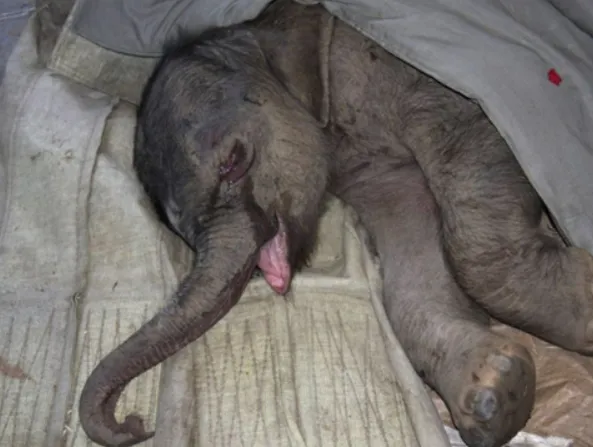
Zhuang Zhuang’s cries echoed through the zoo for five agonizing hours. The baby elephant, abandoned and terrified, could not understand why its mother had turned on it. It cried incessantly, its heartbroken wails filling the air, a desperate plea for affection and comfort that would not come. The staff at Shendiaoshan Zoo, equally distressed, did their best to console the poor baby, but nothing could ease the pain of such a traumatic experience.
For hours, the staff members stood by, offering reassurance in every way they knew how, but Zhuang Zhuang’s cries were relentless, a heartbreaking sound of fear and abandonment. The zoo’s animal care team worked tirelessly, trying to comfort the baby elephant with their presence and gentle care. They wrapped the baby in blankets, spoke softly to it, and did everything they could to provide some semblance of warmth and security in the midst of such a terrifying experience.
“We have no idea why the mother tried to harm her baby. Elephants are usually incredibly protective and nurturing towards their young,” a zoo spokesperson explained, the confusion and concern evident in their voice. “This behavior was completely unexpected, and we can only guess that there was something wrong, possibly related to the stress of captivity or some other unknown factor.”
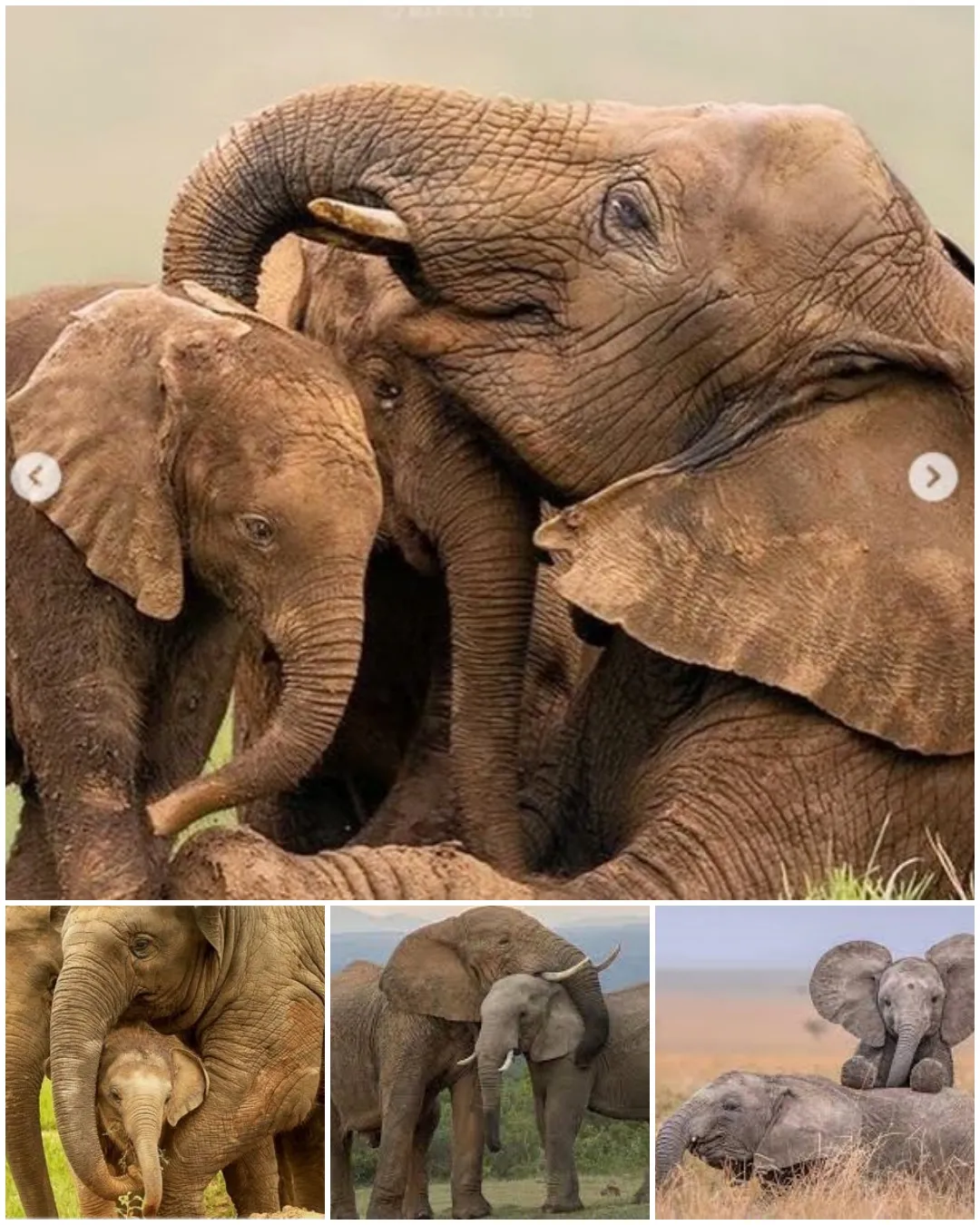
The zoo spokesperson’s words hinted at a more complex issue—elephants are highly sensitive animals, and their emotional and psychological needs are often difficult to meet in captivity. Known for their intelligence, empathy, and strong social bonds, elephants in the wild spend their lives in tight-knit family groups, where the mother and the rest of the herd work together to care for and protect the young. However, the dynamics of captivity can severely affect these natural instincts, sometimes with disastrous results.
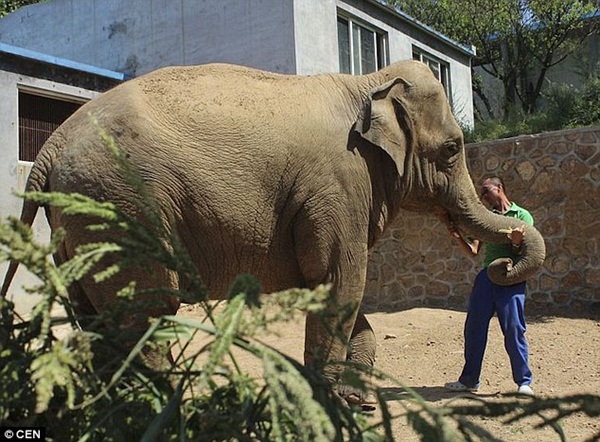
Zhuang Zhuang’s story is not just a tragic tale of a mother rejecting her baby; it is a sobering reminder of the profound effect captivity can have on wild animals. Scientists have long debated the ethics of keeping wild animals in zoos, especially elephants, whose emotional and physical well-being can be deeply compromised when confined to unnatural environments. The pressure of captivity, coupled with the trauma of being separated from the wild herd, can cause significant psychological distress, leading to erratic behavior that would be unimaginable in the wild.
Despite the painful ordeal, there is a glimmer of hope for Zhuang Zhuang. With the care and attention of the zoo staff, the baby elephant’s health and spirit began to improve. Slowly, but surely, the tears and cries lessened. The once heartbroken and frightened creature started to regain some semblance of calm and strength. The caretakers worked tirelessly to ensure that Zhuang Zhuang had everything it needed to recover, providing the baby with regular nourishment, comfort, and companionship.
Over time, Zhuang Zhuang’s physical health improved markedly, and while the emotional scars of the rejection may never fully heal, the elephant began to trust the staff, finding solace in their consistent care. The staff at Shendiaoshan Zoo were deeply moved by the resilience of the young elephant, who, despite its heartbreaking start to life, continued to grow stronger every day.
However, the questions surrounding the mother elephant’s behavior remain unanswered. Was it the result of captivity’s toll, or was there something deeper at play in the mother’s instincts? Perhaps the stress of childbirth and the unnatural environment led to a breakdown in her maternal instincts. It’s a possibility that no one can definitively explain, leaving the staff and the scientific community to ponder the effects of captivity on wild animals, especially those as complex and emotionally driven as elephants.
Zhuang Zhuang’s story has sparked an important conversation about the ethics of captivity and the treatment of elephants in zoos. While Zhuang Zhuang’s health has improved, the emotional trauma of the incident may have lasting effects, raising questions about whether wild animals truly thrive in captivity or if their needs are better met in the wild.
As for Zhuang Zhuang, the journey is far from over. The zoo staff will continue to provide the care and attention that the young elephant needs, hoping that it can grow up to be strong, healthy, and happy, despite the tragic start to its life. Yet, the shadow of the rejection will likely linger for a long time, a constant reminder of the challenges and consequences of captivity for these magnificent creatures.
Zhuang Zhuang’s tale is a poignant reminder of the complex emotional lives of elephants and the impact that human interference can have on their natural behaviors. As the story unfolds, it serves as a call for greater understanding and respect for these incredible animals, as well as a plea for better practices in animal care and conservation.