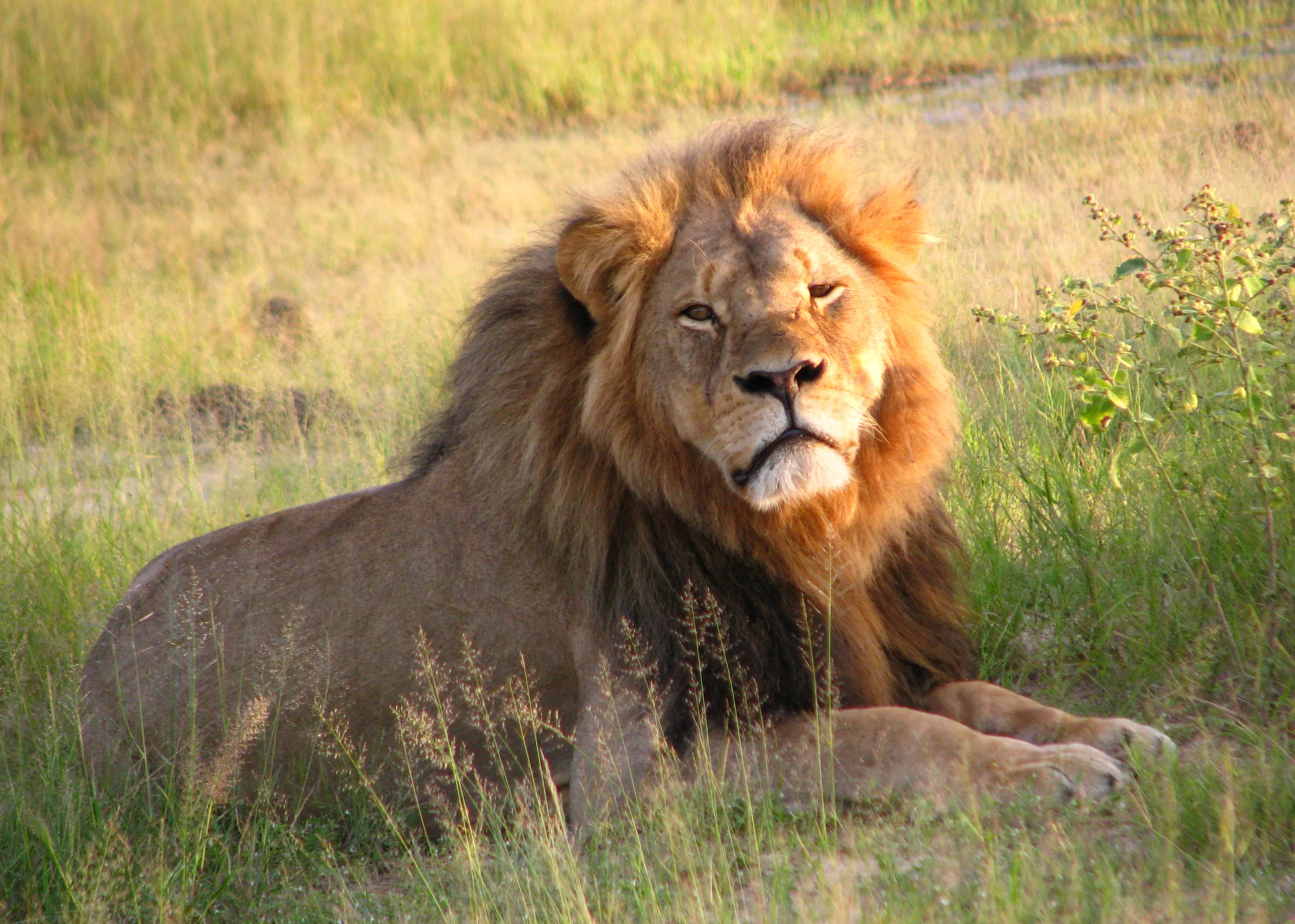
In July 2015, the world was shaken by the death of Cecil, a beloved lion residing in Zimbabwe’s Hwange National Park. Lured out of the park with bait, Cecil was shot with a bow and arrow by American dentist Walter Palmer. Despite being tracked and killed the following day, his death sparked global outrage and reignited debates over trophy hunting.
Cecil was not just any lion; he was a symbol of wildlife conservation. Part of an Oxford University study, he wore a GPS collar that allowed researchers to monitor his movements. His distinctive black mane and approachable nature made him a favorite among tourists and photographers.
The aftermath of Cecil’s death led to significant changes in conservation policies. In December 2015, the U.S. Fish and Wildlife Service added lions in India and West and Central Africa to the endangered species list, making it more difficult for U.S. citizens to import trophies from these regions. Additionally, the incident sparked a global conversation about the ethics of trophy hunting and its impact on wildlife populations.
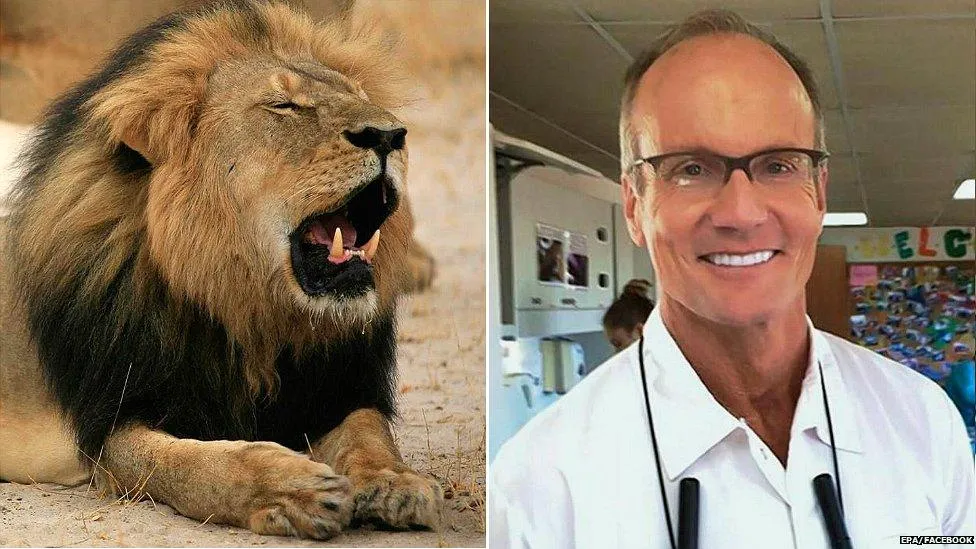
However, the tragedy did not end with Cecil. In June 2025, another lion named Blondie, also part of an Oxford study, was killed by a trophy hunter in Zimbabwe. Blondie was lured from a protected area using bait and shot, reigniting the debate over the ethics and legality of trophy hunting.
These incidents highlight the ongoing challenges in wildlife conservation and the need for stronger protections for endangered species. They also underscore the importance of public awareness and advocacy in driving policy changes. As we remember Cecil and Blondie, let their stories inspire continued efforts to protect wildlife and ensure that such tragedies do not continue.
In honor of Cecil’s legacy, conservationists and animal rights groups continue to push for reforms in hunting practices and stronger protections for wildlife. Their efforts serve as a reminder that every life, no matter how big or small, has value and deserves to be protected.
Cecil’s death was a tragic loss, but it also served as a catalyst for change. It reminded us that the fight for wildlife conservation is ongoing and that each of us has a role to play in protecting the planet’s most vulnerable species.