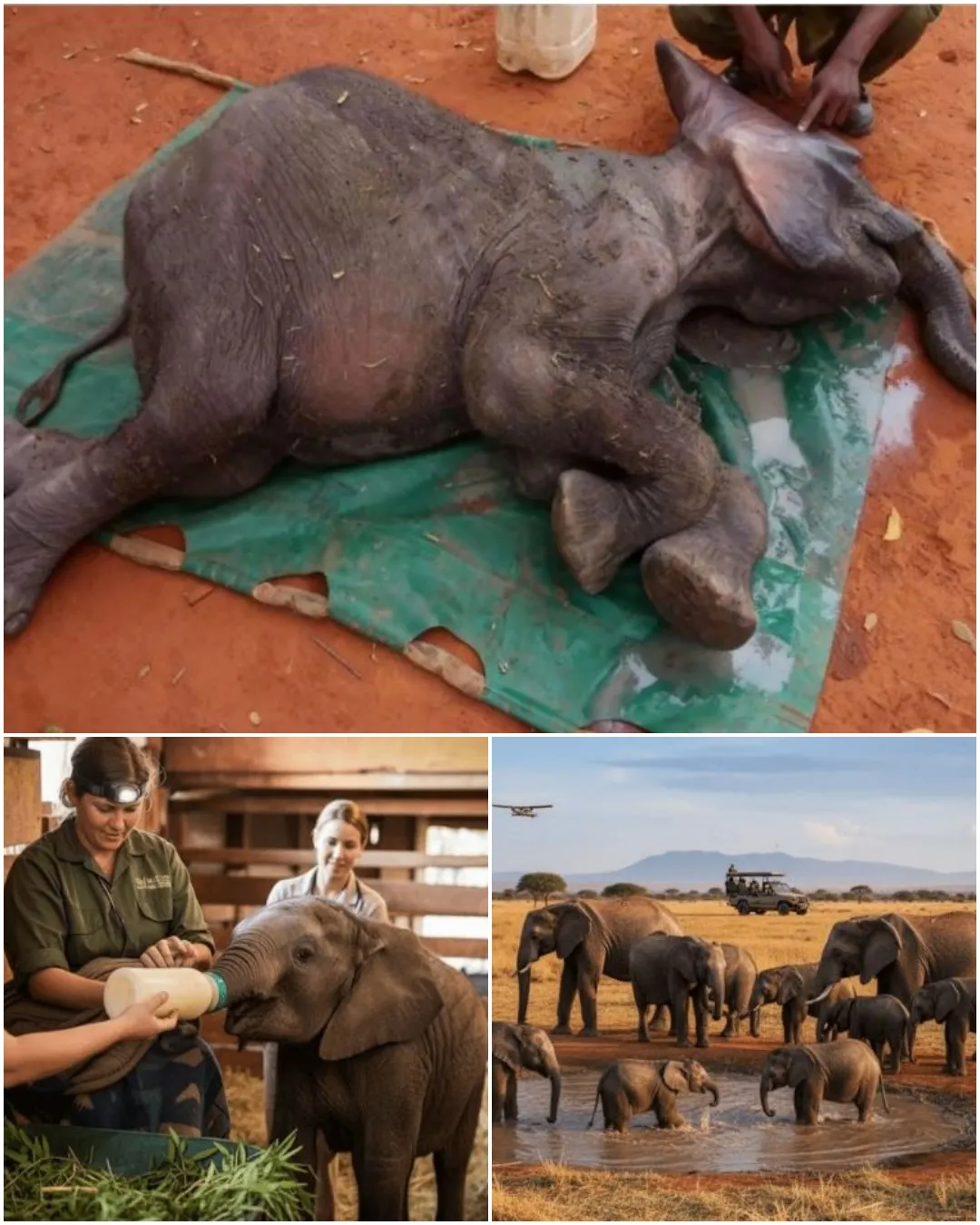
In a remarkable conservation effort, Kenya has undertaken a groundbreaking initiative to relocate 50 elephants from the overcrowded Mwea National Reserve to the expansive Aberdare National Park. This move is part of a larger strategy to ensure a safer, more sustainable future for both the elephants and the surrounding communities.
Mwea National Reserve, a vital wildlife haven, was originally designed to support a population of around 50 elephants. However, due to the success of anti-poaching programs, the number of elephants in the reserve has soared to 156. While this is a positive sign of the effectiveness of conservation efforts, the increase in population has resulted in significant challenges. Overcrowding has placed immense strain on the reserve’s resources, such as food and water, and the elephants have started to venture beyond the park’s boundaries in search of sustenance.
As elephants moved outside the reserve, they collided with local communities. Farmers saw their crops destroyed as the elephants trampled over fields, leading to escalating tensions between the wildlife and the people who depend on the land for their livelihood. The resulting conflicts between farmers and elephants became a growing issue, threatening both the animals’ safety and the security of the communities.
Kenya’s wildlife authorities recognized the need for a solution, and the relocation of these elephants to Aberdare National Park emerged as the most viable option. Aberdare National Park, with its expansive landscapes, abundant resources, and fewer human settlements, offered a much-needed refuge for the elephants. The park, located about 120 kilometers away from Mwea, was an ideal environment to accommodate these majestic creatures and provide them with the space they needed to thrive.
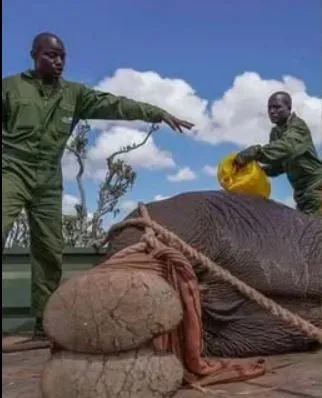
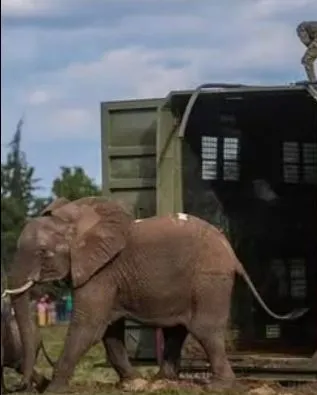
The relocation was not a simple task. A careful and meticulous plan was put into motion, involving wildlife officials, veterinarians, and conservation experts. The elephants were first tranquilized to ensure their safety during the move. They were then carefully monitored throughout the process to guarantee their well-being. The transportation of these large animals was a complex logistical effort, involving specialized vehicles and equipment. But thanks to the hard work and dedication of the team, the elephants arrived at Aberdare National Park safely and began to explore their new home.
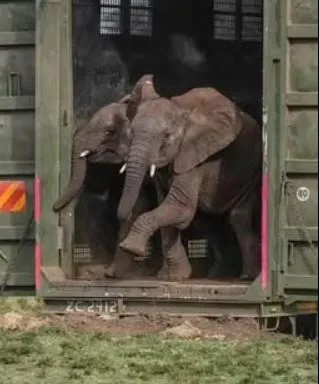
The relocation was not just about easing the pressure on Mwea National Reserve; it was also about ensuring a more sustainable and peaceful future for both the elephants and the surrounding communities. With fewer elephants in Mwea, there will be less strain on the resources of the reserve, and the elephants that remain can flourish in a healthier environment. At the same time, the move to Aberdare National Park minimizes the risk of human-wildlife conflict by placing the elephants in an area with fewer human settlements, offering them the freedom to roam without disrupting the livelihoods of local farmers.
This relocation is a testament to the success of Kenya’s conservation efforts. It showcases the country’s commitment to not only protecting its wildlife but also balancing ecological health with the needs of local communities. The relocation of the 50 elephants is a proactive solution to a growing issue, one that helps to maintain harmony between nature and human development.
Kenya’s thriving elephant population is a shining example of the success of anti-poaching programs and wildlife protection initiatives. But with success comes new challenges. The issue of overcrowding in reserves and the conflict between humans and wildlife are problems that many countries around the world face as their wildlife populations continue to grow. Kenya’s response to these challenges, through this relocation, sets a powerful example of how conservation efforts can evolve to meet new needs while ensuring a sustainable future for all involved.
This operation also highlights the importance of thinking beyond the immediate needs of wildlife and considering the broader impact on the environment and local communities. By working to reduce human-wildlife conflict and ensuring that the elephants have ample resources in their new home, Kenya is fostering a more peaceful coexistence between wildlife and people. This approach to conservation provides valuable lessons for other countries facing similar challenges, demonstrating that with the right planning and dedication, it’s possible to protect both wildlife and human livelihoods.
The relocation of these 50 elephants is just one part of Kenya’s broader conservation strategy, which includes continued efforts to combat poaching, protect habitats, and ensure the long-term health of its wildlife populations. Kenya’s commitment to conservation is unwavering, and this operation demonstrates that even in the face of challenges, there are solutions that can protect both wildlife and people.
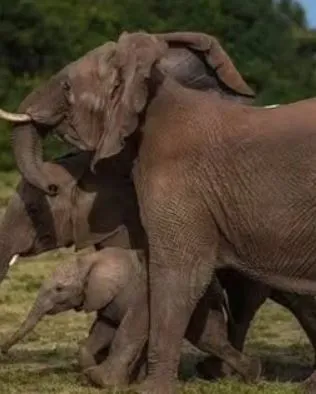
The successful relocation of these elephants is not only a win for the animals themselves but for the entire country. It shows that Kenya is not only invested in the success of its wildlife conservation efforts but also in creating sustainable solutions that benefit all of its citizens. This is a step forward in ensuring a future where wildlife and humans can coexist harmoniously, benefiting both the environment and the local communities.
As Kenya continues to make strides in wildlife conservation, the relocation of the elephants to Aberdare National Park stands as a shining example of what is possible when careful planning, innovation, and a deep commitment to conservation come together. This bold move offers hope for the future, not just for elephants, but for the countless other species that call Kenya home, and for the people who share the land with them.
In the end, this relocation represents more than just a physical move for the elephants; it is a symbol of Kenya’s ongoing commitment to the preservation of its natural heritage, and a reminder of the importance of collaboration between humans and wildlife for a sustainable and harmonious future. 🌍💚