
Have you ever encountered a bird whose primary color is a vibrant pink? It might sound like something from a fairy tale, but these birds are very much real!
Introducing the Rosefinch
Nature has once again presented us with the captivating beauty of the Rosefinch. (A gallery of these birds is provided below.)
These stunning pink creatures are predominantly found across Eurasia and the Americas, boasting over 20 distinct species, each uniquely beautiful.
Rosefinches belong to the passerine order, specifically within the finch family, Fringillidae.
Their song is known for being melodious and pleasing to the ear, often described as a three-note whistle.
While they primarily feed on seeds and grains, some species of rosefinch are omnivorous, supplementing their diet with insects, invertebrates, and plants.
Without further delay, meet the Rosefinch.
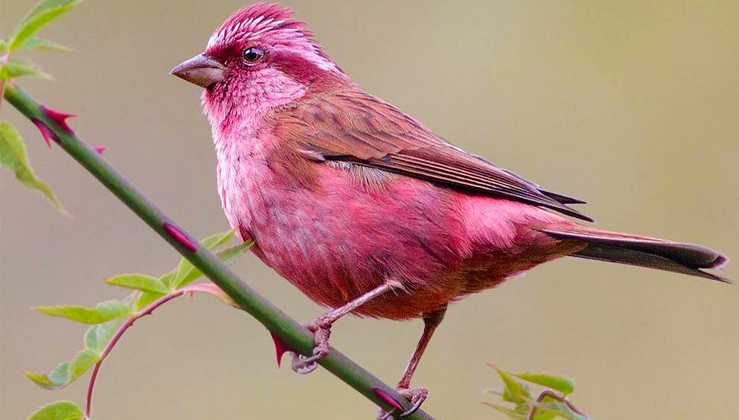
Genera and Distribution
There are two primary genera of these birds: Carpodacus and Haemorhous. One group is mainly distributed across Europe and Asia, while the other is found in North America.
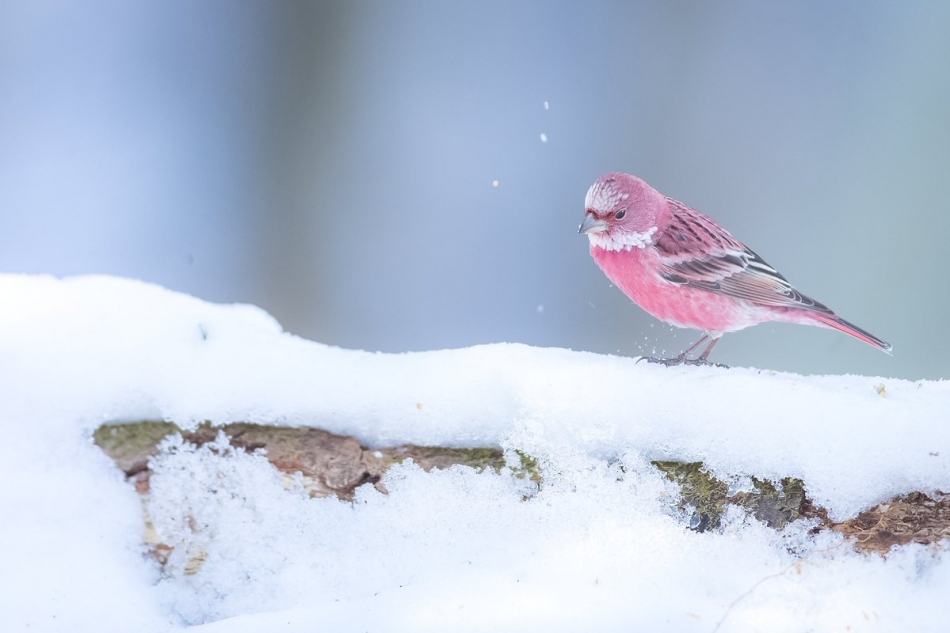
In recent years, these birds have expanded their range westward throughout Europe, even establishing breeding populations in England.

The breeding grounds for common rosefinches span numerous locations, including Sweden, Siberia, Iran, Afghanistan, Japan, and more.
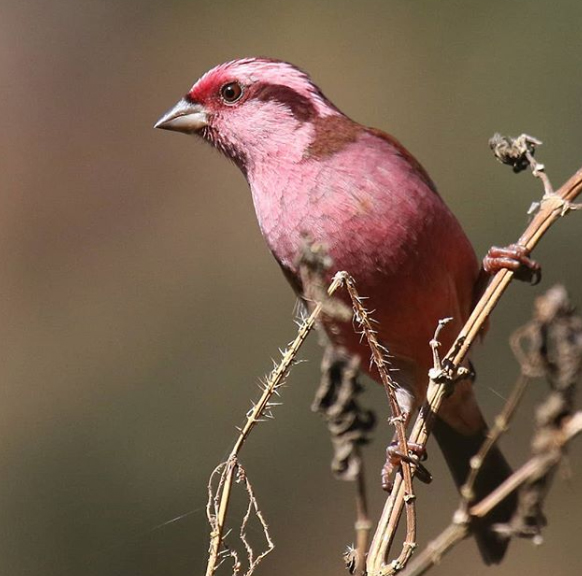
The Common Rosefinch is the most widespread and numerous rosefinch species across Asia and Europe, found across many different countries globally.

They construct their nests low in trees and typically raise a brood of 3 to 4 young during each breeding season.
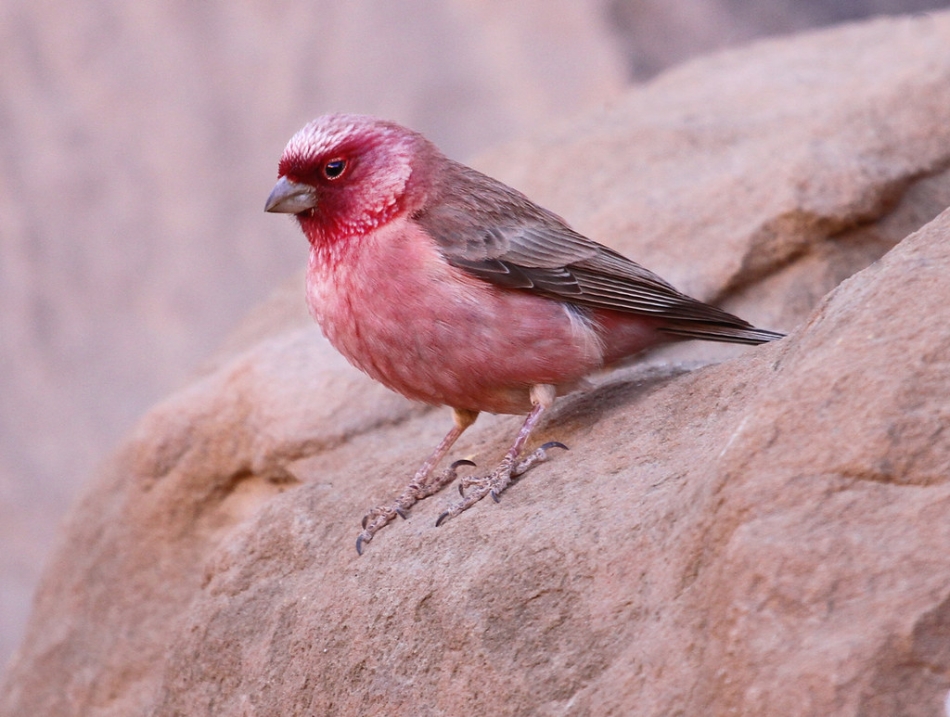
During the summer, their preferred habitats are thickets, forests, and woodland edges near rivers.

In winter, they tend to favor gardens, orchards, swamps, and dry oak forests.

First-year birds are generally more prone to dispersing than adults. This tendency explains why newly established bird colonies often consist mainly of dull-plumaged (young) males.

Conclusion
There is no doubt that these pink birds are exceptionally pleasing to the eye.