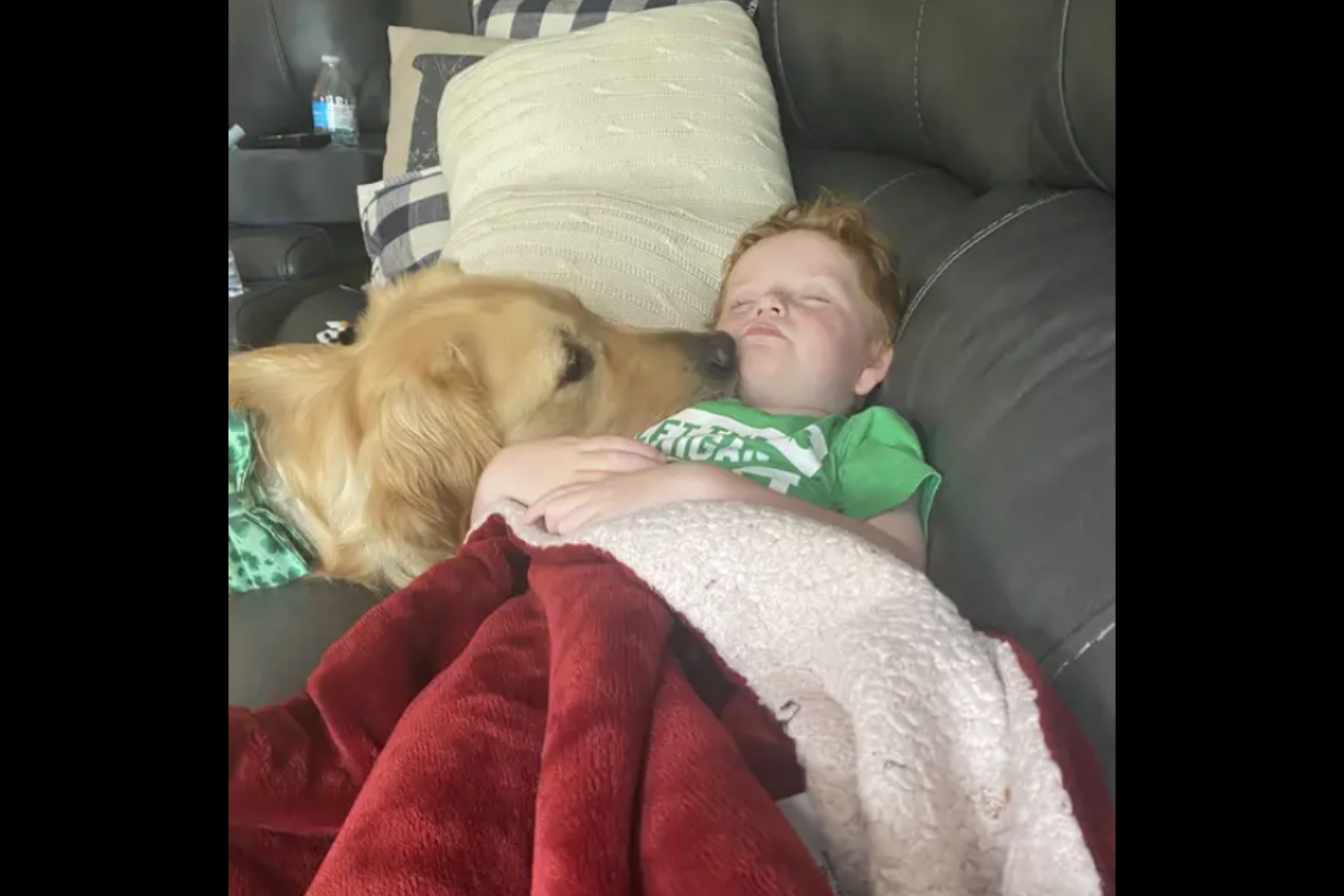
When Patrick, a 3-year-old boy from New York, was diagnosed with a rare genetic disease, his family found hope where they least expected it: in the company of a golden retriever named Yammy.
What seemed like just a gesture of affection turned into a turning point in the child’s life.
The son of Susan Bresnahan, a nurse with over 20 years of experience, Patrick was born during the COVID-19 pandemic in 2020.
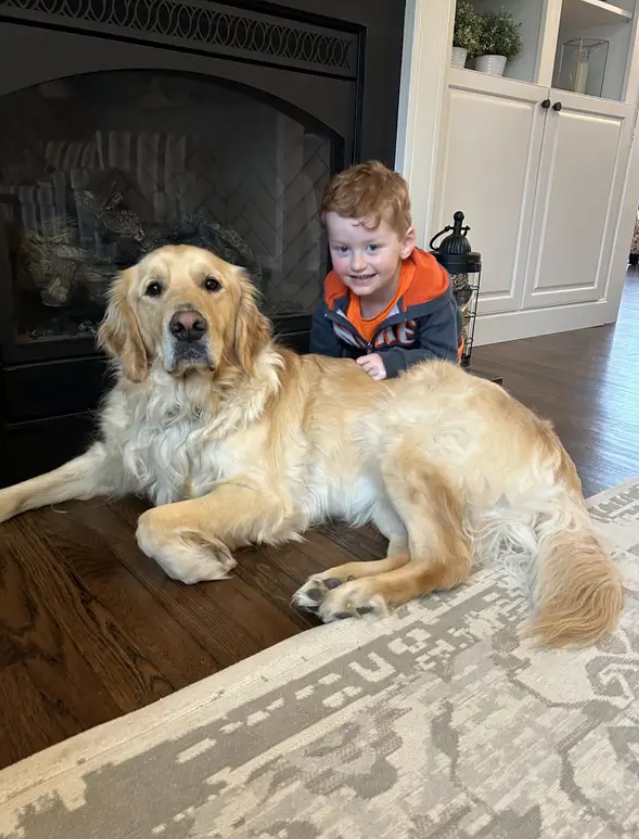
From a very early age, Susan realized that something was off in the patterns of childhood development.
“I knew deep down that something was wrong,” she said in an interview with Fox News Digital.
After months of consultations with different specialists and a battery of genetic tests, the diagnosis came: Timothy syndrome, an extremely rare condition associated with a mutation in the CACNA1C gene.
According to information from the Cleveland Clinic, fewer than 100 people worldwide live with this syndrome, which affects neurological development, the cardiac and immune systems, in addition to causing cognitive and motor delays.
“When I got the diagnosis, it was the first good night’s sleep I’d had in two years. I was losing my mind knowing something was really wrong,” Bresnahan recalled.
Timothy syndrome is a potentially fatal condition. Data from the Cleveland Clinic reveals that nearly 80% of cases progress to serious cardiac complications in childhood.
Although there is no cure, therapies can significantly improve patients’ quality of life.
Faced with this challenge, Susan decided to go beyond conventional therapies — which already included speech and occupational therapy.
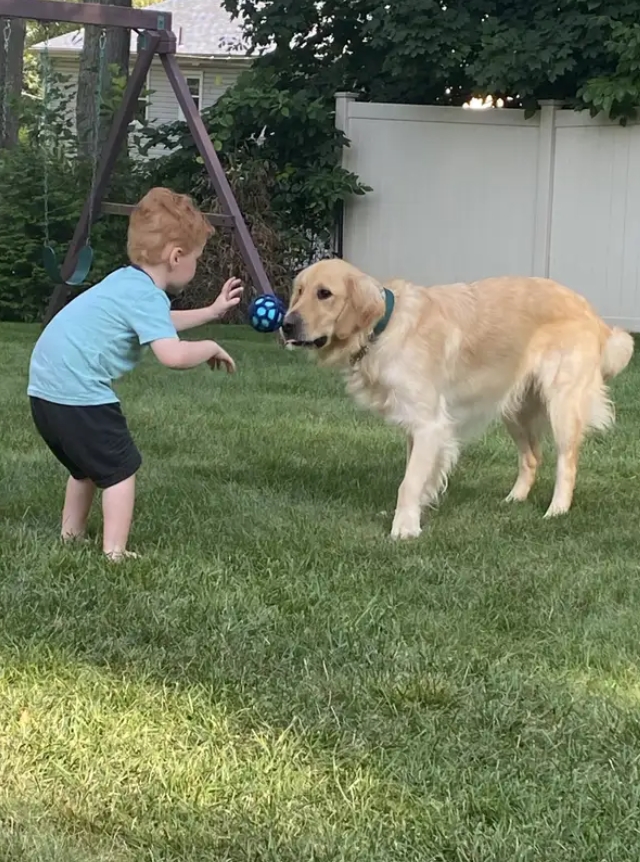
That’s when he sought support from ECAD (Educated Canines Assisting with Disabilities), an organization that trains service dogs to assist people with different types of disabilities.
ECAD dogs undergo more than 1,500 hours of training, learning tasks such as turning on lights, opening doors, assisting with mobility and, most importantly, providing emotional and physical support.
Before receiving a dog, owners must complete an intensive two-week training program at the organization’s headquarters in Torrington, Connecticut.
The family had to raise $25,000 to cover the costs of the process—a sum that was quickly raised thanks to the mobilization of friends, family, and community members.
“It was unbelievable. I cried for three weeks straight—it was incredible how people came out to support us,” Bresnahan said.
Soon after Yammy’s arrival, the results were surprising.
“Within two weeks, he was doing 12 new things he’d never done before. I really couldn’t believe what I was seeing,” his mother reported.
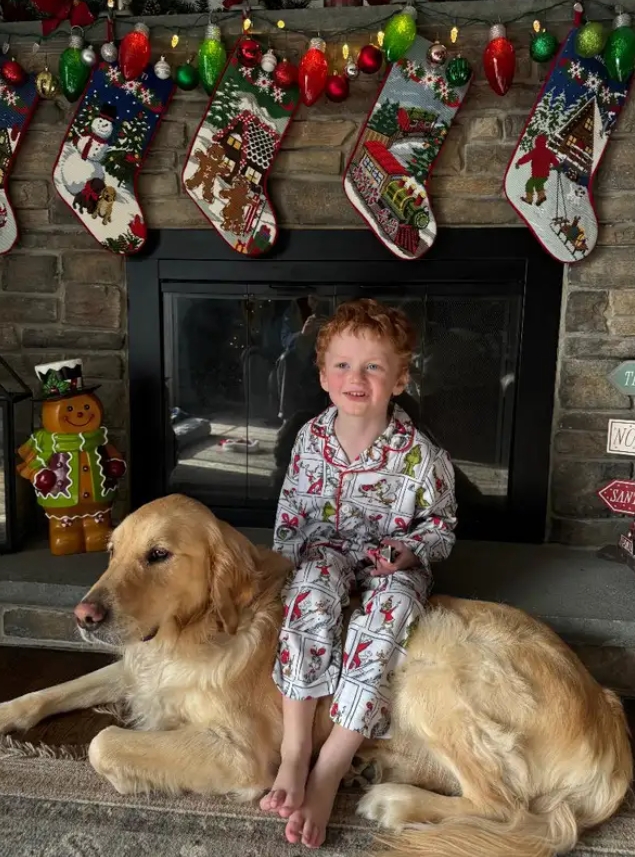
Simple activities, such as climbing stairs, running, and even improving motor coordination, became part of Patrick’s daily life, as he previously had slow and clumsy movements.
Yammy’s presence also brought social and emotional advances.
“It’s just one big physical therapy session all day, accompanied by love and safety,” Bresnahan said.
The impact of service dogs on children with developmental delays is supported by scientific studies.
A study published in the journal Frontiers in Veterinary Science in 2021, titled “Dogs Supporting Human Health and Well-Being: A Biopsychosocial Approach,” highlights that assistance dogs not only aid mobility, but also play a significant role in reducing anxiety and promoting social interaction.
Furthermore, the study indicates that the presence of these dogs can stimulate motor and cognitive development in children, contributing to consistent advances in communication, social skills, and autonomy.
This scientific evidence reinforces the importance of assistance dogs in supporting child development, especially for children with special needs, such as those diagnosed with Timothy syndrome.
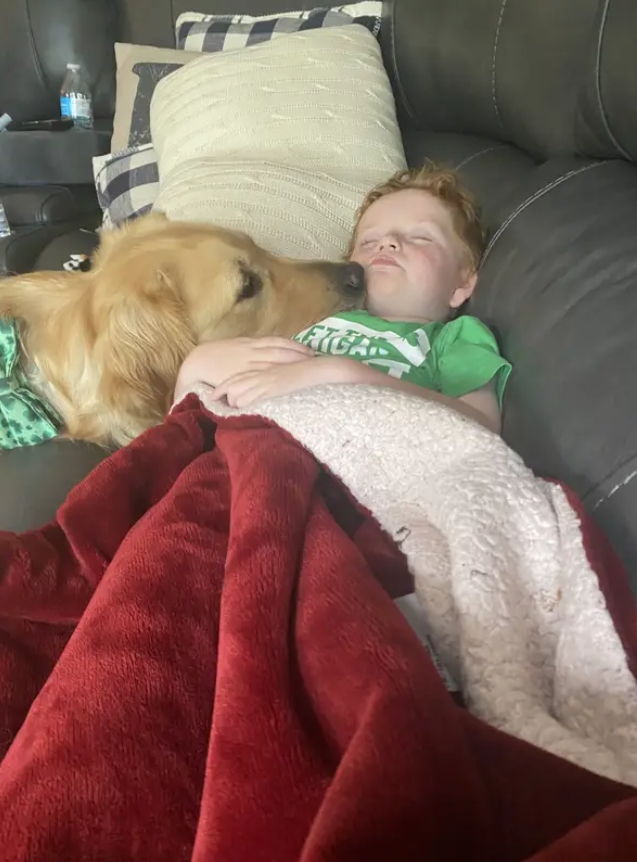
Interacting with these animals can provide not only physical support but also significant emotional and social benefits, contributing to a better quality of life and overall well-being.
Today, at four years old, Patrick continues to deal with challenges such as the risk of heart problems and seizures, and is monitored with annual electrocardiograms.
“He’s the only one in the world with this exact mutation, so there’s no one to compare him to,” Susan explained.
Despite this, the boy has progressed further than any initial expectations.
“He’s going in the right direction. And he’s the happiest child in the world,” his mother said.
Bresnahan maintains constant contact with scientists studying Timothy syndrome and closely monitors research into possible future treatments.
“It’s just a cheek swab — and the amount of information you can get from it can be life-changing,” he said, referring to the importance of genetic testing in early diagnosis.
For Susan, Yammy isn’t just a service dog. He’s, above all, part of the family—and the best therapist Patrick could have.