In the sweeping savannahs of Kilifi County, where the horizon stretches endlessly and the earth meets the sky in a tapestry of gold and green, a symbol of power, grace, and vulnerability roams: the bull elephant. Towering and majestic, these creatures inspire awe, yet behind their imposing presence lies a fragility that human actions can exploit, altering the course of their lives in an instant.
On a fateful day in June 2023, the serene rhythm of the Kilifi wilderness was abruptly disrupted when a mature bull elephant was discovered suffering from a grievous injury to its front right ankle. Evidence suggested a spear wound, likely inflicted by humans, piercing the joint and threatening the animal’s mobility, survival, and overall well-being. The discovery sent ripples of concern through the conservation community, prompting a swift and coordinated response. The SWT/KWS Tsavo Mobile Veterinary Unit mobilized immediately, racing against time and terrain to bring aid to the injured giant.
Dr. Limo, the lead veterinarian on the ground, faced an immense challenge. Treating an injury of such severity in an elephant is never straightforward. The sheer size, weight, and strength of these animals complicate medical intervention, while the nature of the wound—a pierced ankle joint—introduced a host of potential complications, including infection, impaired mobility, and long-term degeneration of the joint. Every decision carried profound implications, requiring precision, experience, and patience.
The road to recovery was as arduous as it was delicate. Each movement of the elephant, each application of treatment, demanded careful monitoring. The SWT Aerial Unit provided oversight, allowing teams to track the elephant’s condition from above, ensuring that any sign of distress or difficulty could be addressed immediately. Weeks of preparation and observation preceded each treatment session. Sedating and handling an elephant safely requires logistical mastery; each procedure involves multiple teams, specialized equipment, and meticulous planning to ensure the animal’s safety while delivering effective care.
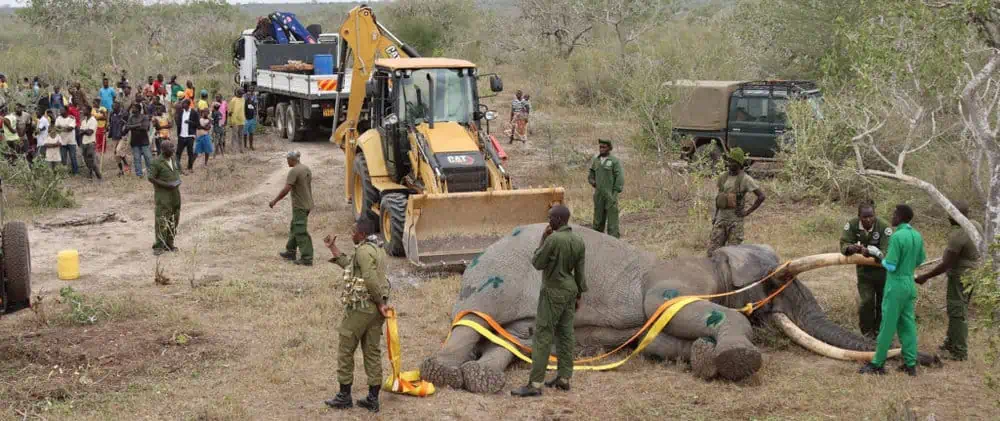
When the second round of treatment was scheduled, preparations reached their peak of precision. Transport permits were secured, and a fleet of vehicles, including a backhoe and crane truck, were positioned to assist if necessary. The scene was tense with anticipation; the survival and future mobility of the bull rested in the hands of a dedicated team operating under exacting conditions. From the air, Dr. Poghon delivered a tranquilizer dart, initiating a delicate sequence of intervention. Every second mattered as the bull’s response would determine the feasibility of the procedure.
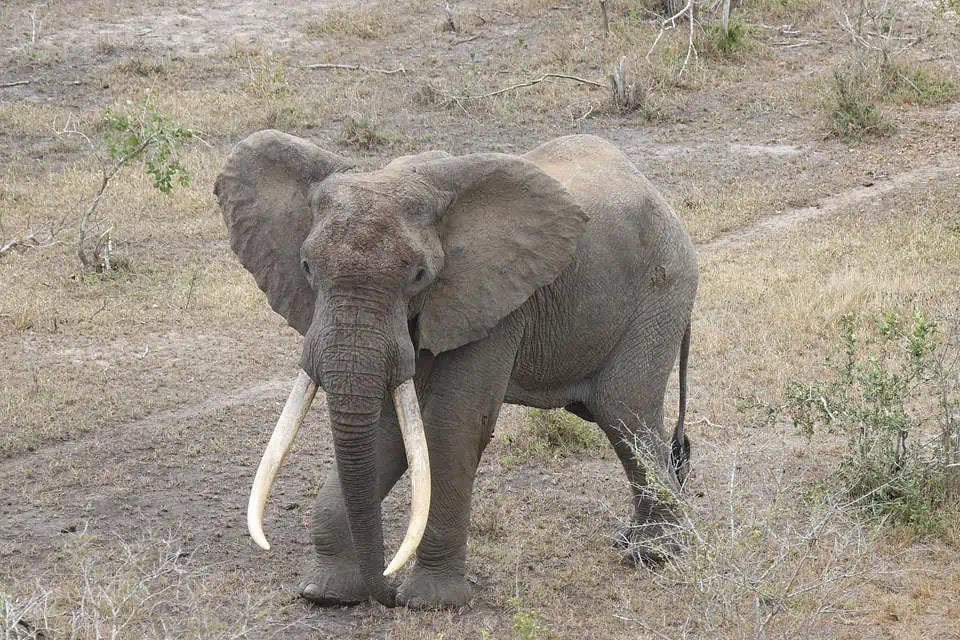
As ropes were secured around the tusks and heavy machinery stood ready, the team braced for every potential outcome. Sedation is fraught with risk in elephants, particularly when combined with the stress of a major injury. The collective focus was absolute, the atmosphere a mixture of apprehension and hope. Against the odds, the bull demonstrated remarkable resilience. Summoning the strength to rise unaided, he provided a profound reminder of the power of determination, even in the face of pain and uncertainty.
Recovery, however, is far from complete. The bull now resides in a controlled sanctuary, a space offering ample sustenance and protection from the harsh demands of the wild. This environment allows him to rest, regain strength, and begin the slow process of healing. Yet the specter of relapse remains, a constant reminder of the precariousness of life for injured wildlife. Every step, every movement, must be observed and evaluated, ensuring that the progress achieved is sustained and that potential setbacks are addressed without delay.

The veterinary and conservation teams remain unwavering in their commitment. Ground crews and aerial monitoring units continue to track the bull’s condition daily, providing intervention where needed and assessing his mobility, strength, and overall health. Additional treatments may be required, and the vigilance of these dedicated professionals is essential in safeguarding the bull’s recovery and future in the wild.
Beyond the medical and logistical efforts, this story serves as a profound testament to resilience, both of the bull elephant and of the human teams devoted to his care. In the vast expanse of Kilifi, this singular animal embodies the intersection of strength and vulnerability, survival and fragility, nature and human responsibility. Each moment of progress, from standing unaided to taking tentative steps, resonates as a symbol of life’s enduring will.
The bull’s journey highlights the broader narrative of wildlife conservation, illustrating the critical role of rapid response, meticulous care, and long-term monitoring in protecting endangered species. Human-induced injuries are a stark reminder of the impact our actions can have on fragile ecosystems and the lives of individual animals. Yet, through dedication, expertise, and compassion, the consequences of such harm can be mitigated, offering a second chance to creatures whose presence enriches the natural world.

As the bull continues his recovery, he stands not only as a survivor but as a living emblem of hope and resilience. His story is a tribute to the tireless efforts of conservationists, veterinarians, and volunteers who work tirelessly to protect, heal, and preserve the majestic elephants of Kilifi. It underscores the importance of human intervention guided by respect for wildlife, combining skill, patience, and empathy to ensure that the wilderness remains a space where these incredible animals can thrive.
In Kilifi County, where the horizon stretches unbroken and the earth meets the sky, the bull elephant strides forward, embodying strength, courage, and the promise of life renewed. His recovery is a continuing journey, one that inspires those who witness it to recognize the profound connection between humans and the natural world, the responsibilities we bear, and the extraordinary resilience of the creatures with whom we share this planet.

The bull elephant’s story is far from over. Each day presents challenges and opportunities, tests of endurance and moments of triumph. Yet his every movement, every step taken in the sanctuary, speaks to the remarkable capacity for healing, adaptation, and perseverance. In the face of adversity, he reminds us that survival is not only possible but can also become a story of inspiration, demonstrating that strength of spirit can overcome even the harshest of trials.
This bull elephant, once grievously injured and vulnerable, now embodies the intersection of courage, resilience, and hope. His journey in Kilifi is more than a medical success; it is a testament to the enduring power of dedicated care, human ingenuity, and the relentless will to survive. Standing amid the wide-open savannah, he represents a triumph over suffering, a narrative of perseverance, and a symbol of what can be achieved when compassion meets expertise in the fight to preserve the wild.
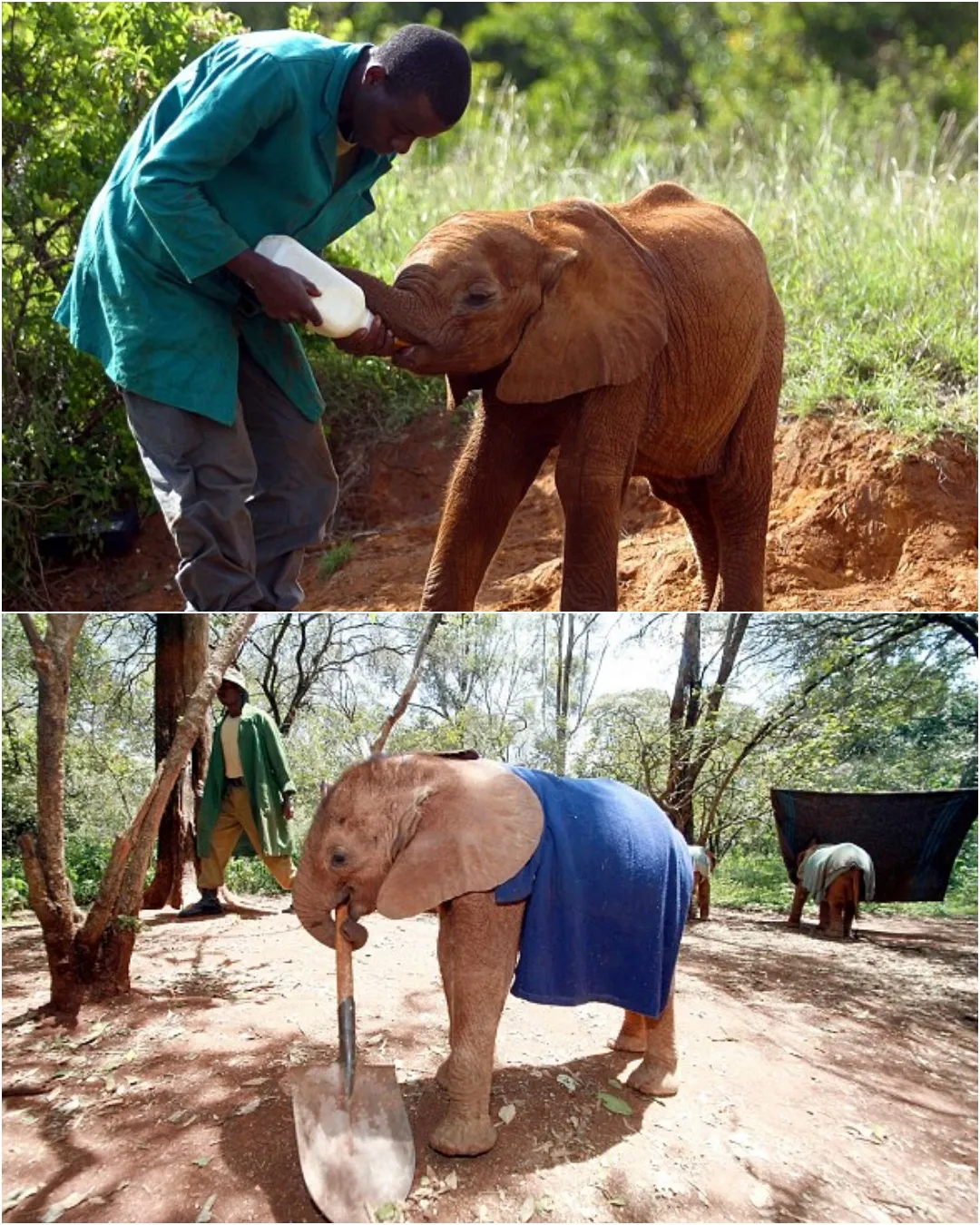
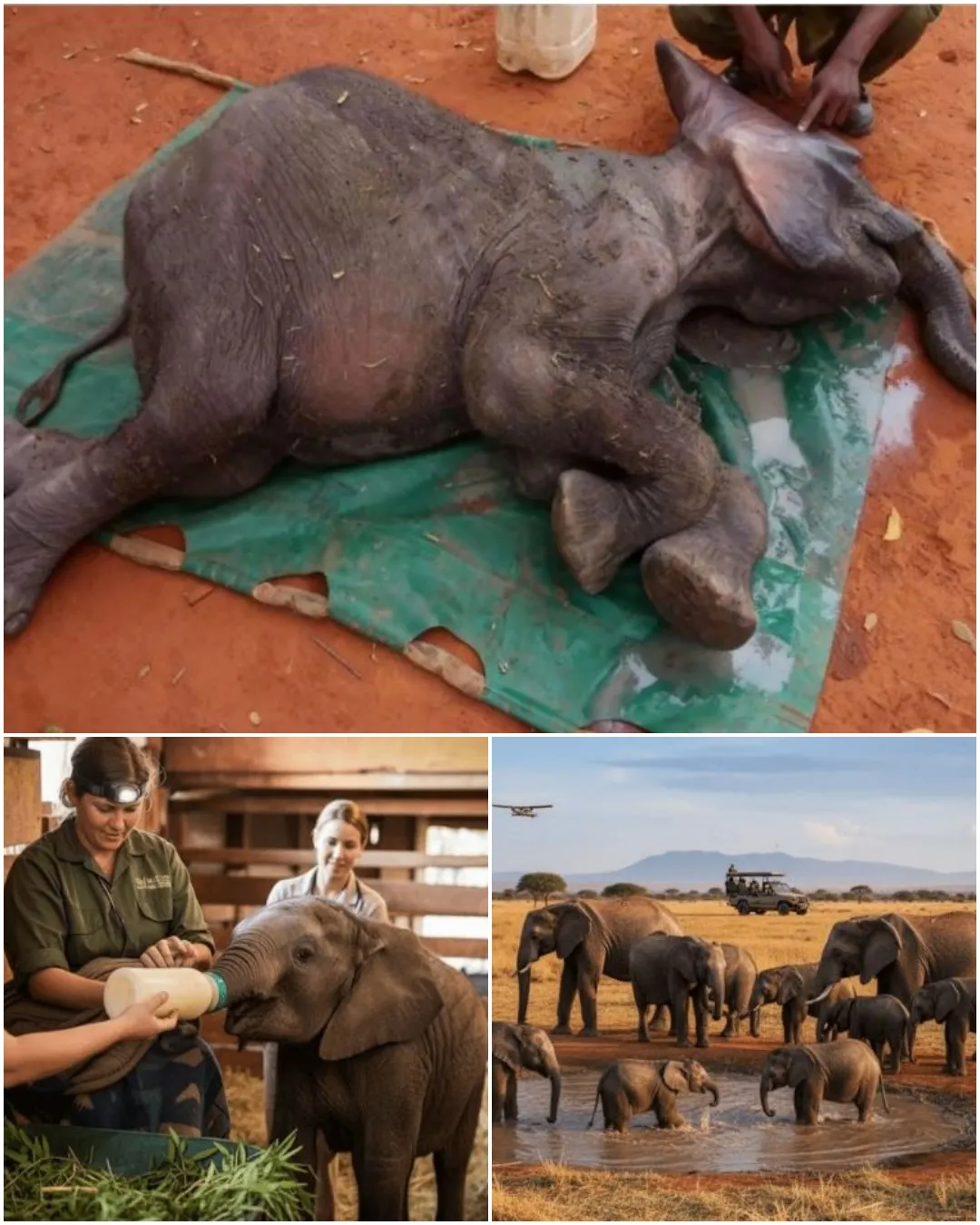
In the rolling savannas of Kenya, amid the red dust and acacia trees, an extraordinary sight unfolds every morning at the David Sheldrick Wildlife Trust in Nairobi. Tiny elephants—some barely a few weeks old—emerge from their enclosures, each draped in a large gray blanket that hangs loosely over their small, rounded backs. To a casual onlooker, it might seem like a simple piece of cloth meant to protect them from the chill of dawn. But to these orphaned calves, those blankets are much more. They are warmth. They are comfort. They are, in every way that matters, a mother’s embrace.