In the quiet pulse of suburbia, where lawns are trimmed and lives appear orderly, darkness can still find its way in — sometimes through an act so cruel that it awakens something raw and unstoppable.
This is one such story: a tale of love, loss, rage, and the thin line that separates justice from vengeance.
It began, as so many tragedies do, in the most ordinary of ways.
Three college students, home for winter break, decided to pass time by practicing with their BB guns behind a row of houses. What started as idle amusement soon twisted into something cruel. Their chosen target wasn’t a can, a bottle, or a tree — it was a living creature.
A neighbor’s dog — a friendly, trusting animal named Buddy.
The first shot startled him. The second made him whimper. But they didn’t stop.
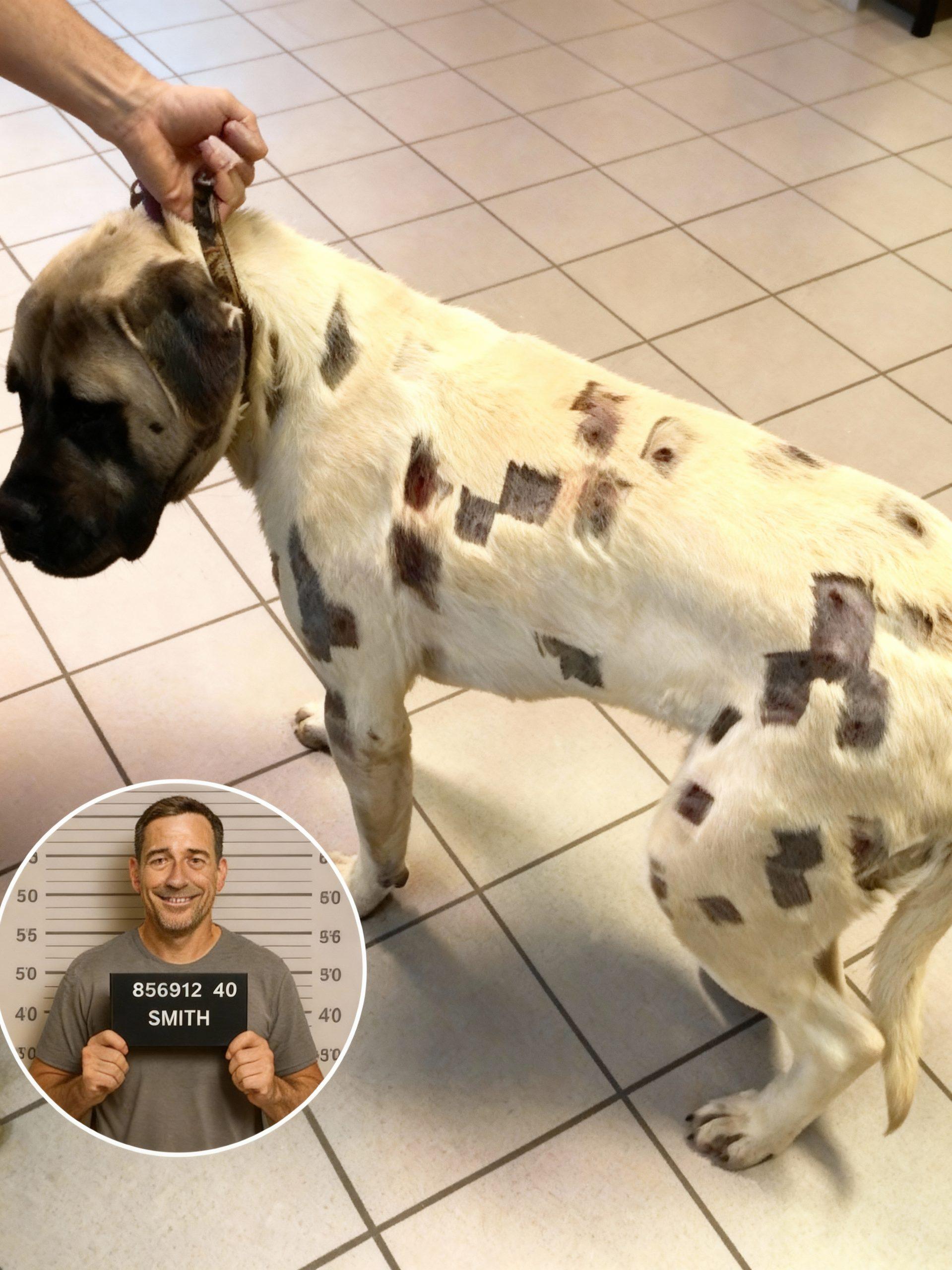
Laughter punctuated the air as they fired again and again. By the time it ended, Buddy’s golden fur was dotted with red, his body riddled with over forty small metal wounds.
He was found trembling beneath a bush by his owner, Smith — a man who, until that moment, had never known what it truly meant to feel powerless.
The vet’s report was brutal. Buddy would survive, but only after hours of surgery, stitches, and sedation. His body bore the map of cruelty — tiny square scars scattered across his frame, a permanent reminder of the pain inflicted for someone else’s amusement.
Smith sat in the waiting room, numb. He had raised Buddy from a pup, through rainstorms and birthdays, through late-night walks and quiet mornings. To see his dog — his friend — violated and broken ignited something deep within him.
When the police identified the culprits — the three young men from the neighborhood — Smith expected justice. He believed, as most of us do, that the law would take care of what was right.
But justice, it seemed, had other plans.

After weeks of hearings and statements, the court ruled: a small fine and community service.
That was all.
The decision hit Smith like a slap. Forty wounds, a living being scarred for life — and the price was less than a speeding ticket. He couldn’t sleep that night. Or the night after.
Each time he closed his eyes, he saw Buddy’s body trembling under anesthesia, his chest rising weakly.
He saw the smirks of the young men leaving the courthouse, unrepentant, joking about the ordeal.
And something inside him broke.
On a cold Sunday afternoon, Smith walked to the house where the three students lived.
Witnesses would later recall that he moved calmly, hands in his pockets, eyes steady.
When one of them opened the door, Smith said six words that would soon be repeated across social media and news networks:
“Why don’t you fight someone your own size?”
At first, they laughed. But when he stepped forward, the laughter stopped.
They didn’t know, couldn’t have known, that Smith was a black belt in jujutsu — a discipline that had taught him precision, control, and restraint.
But restraint was no longer part of him.
What happened next lasted less than two minutes but would echo for years.
Smith fought not with rage, but with the terrifying efficiency of a man who had already decided what he was willing to lose.
When police arrived, they found three injured young men on the driveway — bloodied but alive.
And Smith, standing quietly to the side, hands behind his head, waiting for the cuffs.
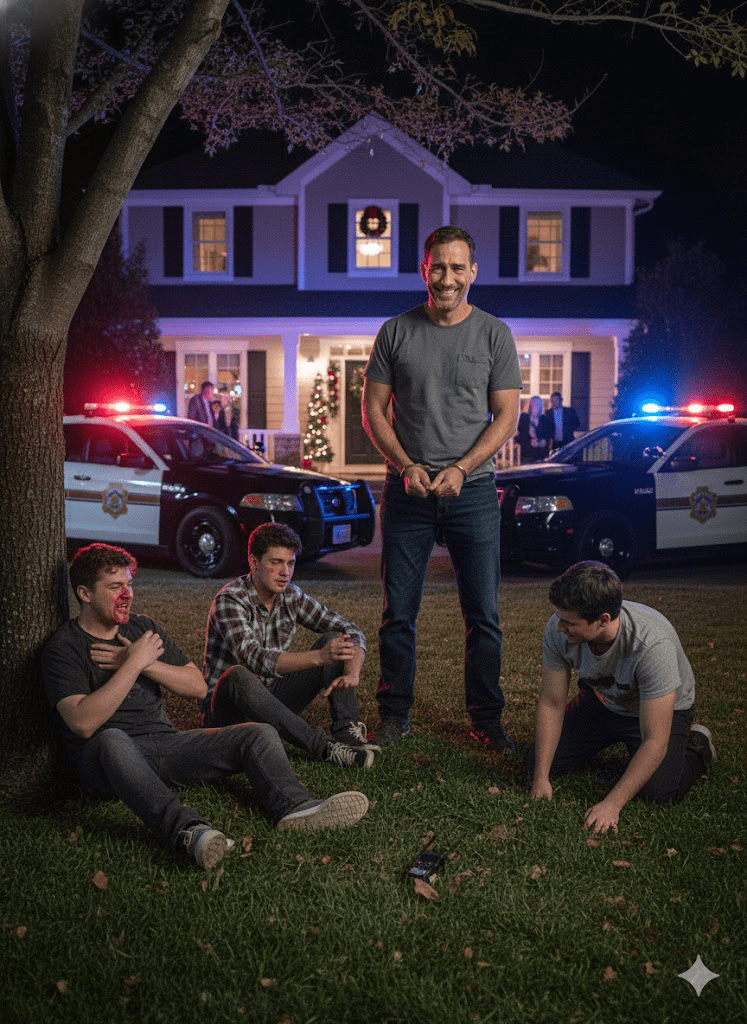
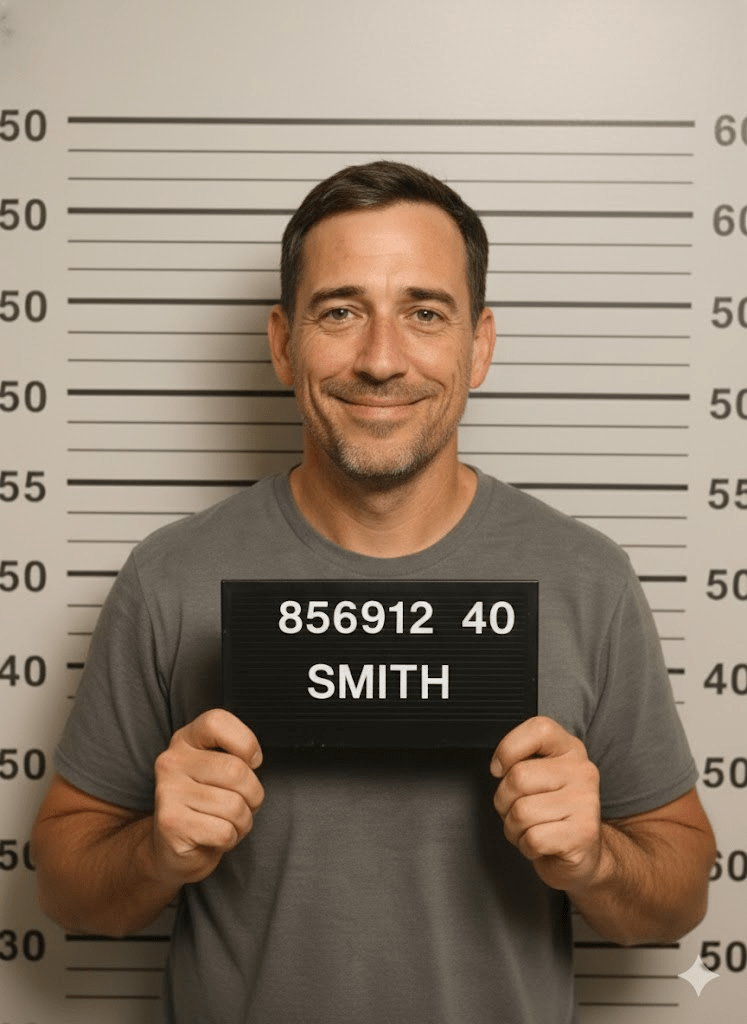
When his mugshot was released hours later, the world saw not anger, not regret, but something unexpected — a smile.
It wasn’t arrogance. It was relief.
The kind that comes when a wound inside finally matches the one outside.
Online, the story exploded.
The photo of Smith smiling beside the image of Buddy’s bandaged body ignited a firestorm of emotion.
To some, Smith was a hero — a man who did what the justice system refused to do.
He became a symbol of righteous defiance, of love that refuses to be silent.
Supporters flooded comment sections:
“I’d have done the same thing.”
“That man deserves a medal, not handcuffs.”
“Sometimes the law fails, and love steps in.”
But others saw danger in his actions.
They warned that vigilantism, no matter how heartfelt, undermines the very idea of justice.
They reminded the public that violence breeds violence, that mercy — not revenge — should be the path forward.
The debate spread beyond social media into classrooms, podcasts, and dinner tables.
Philosophers called it a moral paradox: when the system fails, does a person have the right to seek justice alone?
Smith himself remained mostly silent.
From his cell, he issued only one brief statement to local reporters:
“They hurt my best friend. I just wanted them to understand how it feels.”
He served a short sentence — far shorter than public outcry demanded.
When he was released, he returned home quietly, where Buddy, healed but still limping, greeted him at the door.
Witnesses said the reunion was wordless.
The dog simply pressed his head into Smith’s chest and sighed, as if to say that everything — for now — was forgiven.
The photo of that moment — the man and his dog reunited — became as viral as the mugshot had been.
It replaced the image of violence with one of quiet redemption.
Over time, the furor faded, but the story lingered.
It became a cautionary tale about justice, mercy, and love’s unpredictable depths.
And somewhere in the heart of suburbia, a man still walks his dog under the pale glow of streetlights.
The scars remain — on Buddy’s body, and perhaps, on Smith’s soul — reminders that even the kindest hearts can reach a breaking point when faced with cruelty.
Because sometimes, the most dangerous thing in the world isn’t anger.
It’s love — when pushed too far.