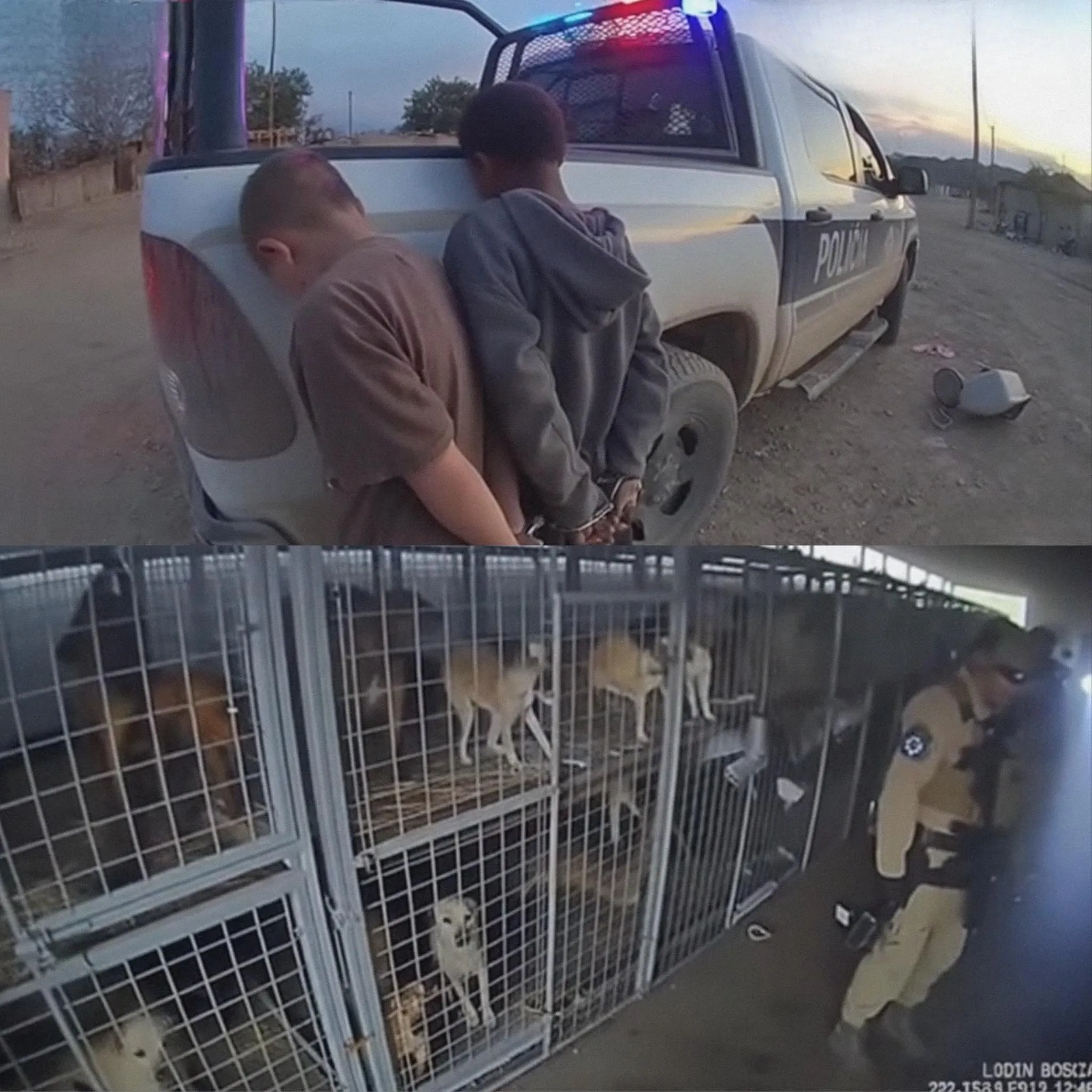
In the vast wilderness of a distant country, an injured baby elephant lay in the dirt, its trunk cruelly severed. Alone and vulnerable, the tiny creature struggled for every breath, its body weak and trembling, its large brown eyes filled with fear and confusion. His fate seemed grim — a life cut short by the harshness of nature, or worse, the cruelty of humans. But what this baby elephant didn’t know was that just as his journey was beginning, there were compassionate souls ready to step in and change his fate forever.
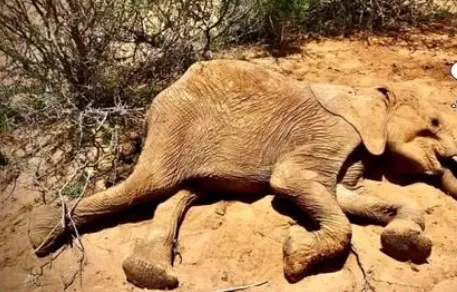
It all began on a fateful day when a team of rescuers received an urgent call. A baby elephant, barely a few months old, had been found severely injured, alone in the wilderness. His trunk had been amputated, likely the result of a cruel encounter with poachers or a vicious animal attack. When the rescuers arrived, they found him lying on the ground, weak and barely conscious, calling out in desperation with the limited sound he could muster.
“He kept looking at us, his eyes filled with so much pain and confusion,” one of the rescuers, Anna, later recalled. “But there was also a glimmer of hope in those eyes. It was like he was pleading for help, asking, ‘Please, save me.’”
With no time to waste, the rescuers carefully approached the baby elephant, moving cautiously but determined to provide care. It was clear that he needed immediate medical attention, but the task before them was daunting. The elephant’s wound, where his trunk had once been, was raw and infected, and he was losing strength fast. His physical state was critical, but the emotional toll was just as profound. This was not just an animal needing medical intervention; this was a creature of incredible sensitivity, one who, despite his injuries, was still holding on to the will to live.
Despite his trauma, the baby elephant responded to the touch of the rescuers with quiet trust, a sign that, though his body was broken, his spirit was not yet defeated. The team worked quickly, stabilizing him with fluids and antibiotics while carefully cleaning and bandaging his wounds. But the emotional and psychological scars were just beginning to show.
Over the following days, the baby elephant was transported to a nearby rescue center, where he was placed in a safe, quiet area away from the noise of human activity. The team named him Kavi, meaning “poet,” a tribute to his resilient spirit. He was placed under the care of Dr. Richard, a renowned wildlife veterinarian who had dedicated his life to the rescue and rehabilitation of animals in distress. The team knew they faced a long and uncertain road ahead, but they were committed to doing everything they could to help Kavi heal.
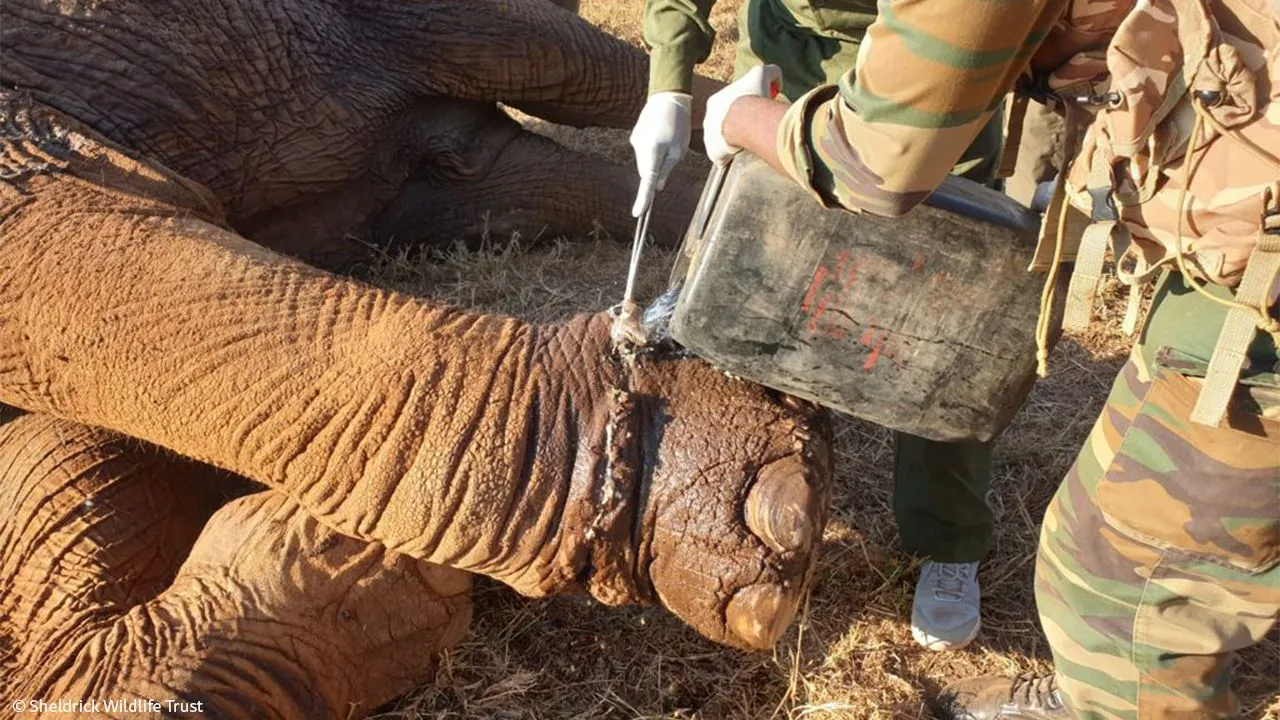
Dr. Richard assessed Kavi’s injuries and determined that, in addition to the physical trauma, Kavi was also experiencing signs of severe emotional distress. He was withdrawn, fearful, and hesitant to trust humans fully. His young mind had been scarred by his ordeal, and the team knew that simply providing medical care wasn’t enough. Kavi needed more than just physical healing — he needed a new chance at life, one that involved trust, love, and patience.
“We knew that he wouldn’t recover unless we approached him with compassion,” Dr. Richard explained. “Healing isn’t just about treating the wounds; it’s about restoring the spirit, giving them the sense of safety and comfort that they so desperately need.”
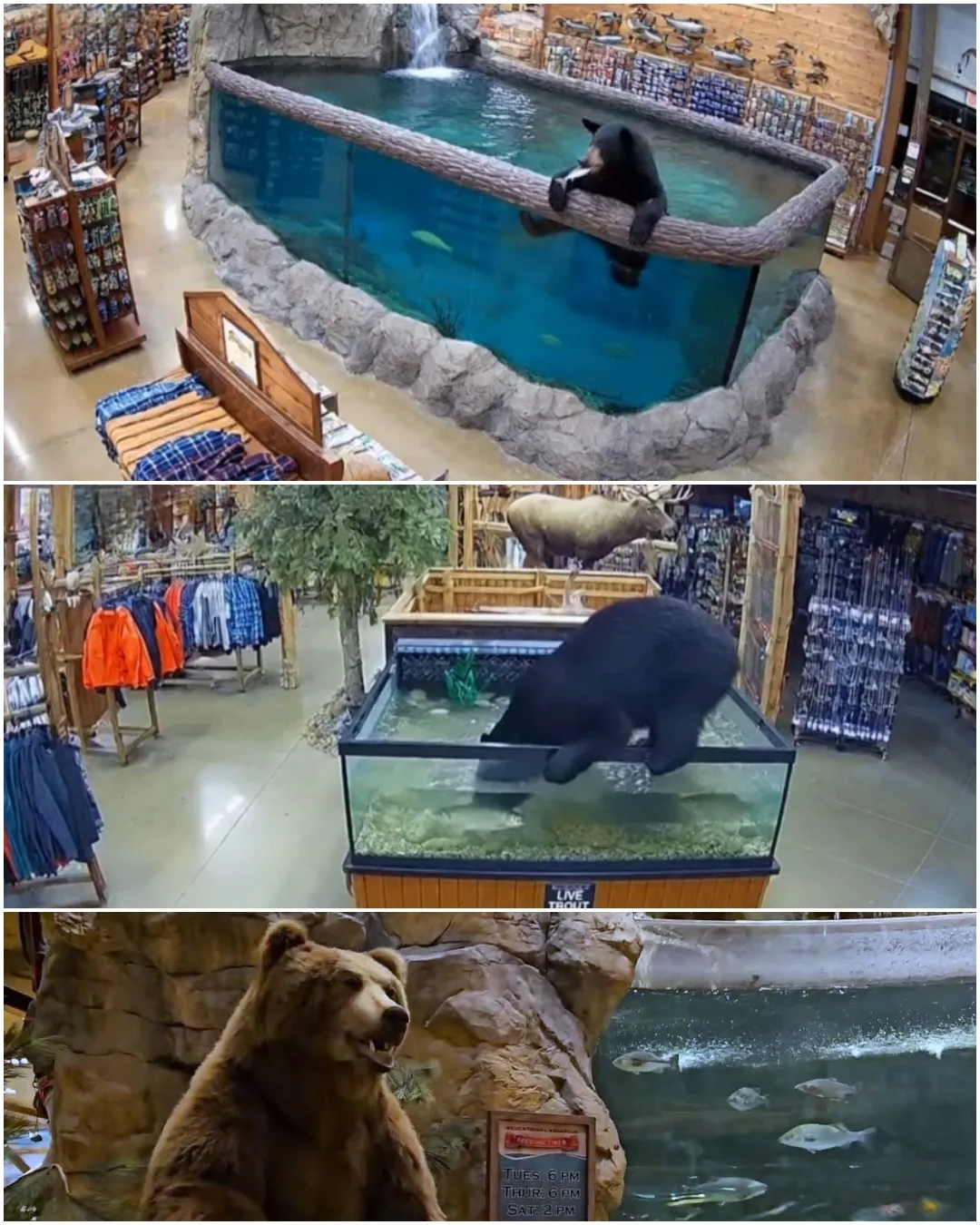
The first few weeks were difficult. Kavi spent most of his time lying in a quiet corner of the sanctuary, refusing to engage with his caretakers. He had no interest in food or water, and his body began to show signs of malnutrition. But the team refused to give up. Slowly, they began to build a routine for Kavi — regular feedings, gentle care, and, most importantly, soft, reassuring words. They played calming music near his enclosure, hoping to ease his anxiety, and introduced him to other rescued animals who had suffered similar trauma, hoping that their presence would comfort him.
One of the most crucial steps in Kavi’s recovery was introducing him to a surrogate mother. While elephants are known for their strong social bonds, Kavi’s lack of a trunk left him at a disadvantage. Trunks are essential for communication, eating, and even social bonding. His physical limitations made it difficult for him to interact with others of his kind. But the rescuers had a solution. A gentle, older elephant named Nala, who had also been rescued from a poaching incident years earlier, was introduced to Kavi. Nala had been through her own trauma, but her motherly instincts were strong, and she quickly bonded with the young elephant.
In the days that followed, Kavi began to show signs of improvement. He would tentatively approach Nala, using his remaining strength to nuzzle her, while Nala, with the patience of a mother, would wrap her trunk around him, offering him a sense of security and warmth. Slowly, Kavi began to regain his appetite, and the weight he had lost started to come back. His bond with Nala grew stronger each day, and with it, his confidence began to build.
“I think the turning point came when Kavi started playing,” Anna recalled. “He had been so sad and withdrawn, but one day, we saw him pick up a ball with his mouth and throw it around, just like any healthy, happy elephant would. It was a small thing, but it was a sign that he was starting to heal.”
As the weeks passed, Kavi’s physical wounds healed, but his emotional scars remained. It was a slow, difficult process, but with every day that passed, he grew stronger. He began to interact more with his caretakers, playing games, enjoying the company of Nala, and even showing affection toward the people who had saved him.
Today, Kavi is a thriving young elephant, stronger than ever. He still bears the scars of his past, but they are no longer a symbol of his suffering. They are a testament to his survival, to the compassion and care that saved his life. His journey from tragedy to triumph is a story of hope, resilience, and the power of love.
The team that rescued him continues to provide him with the best care possible, and they remain committed to giving Kavi the best life they can. He will never forget the pain of his early days, but he now has a future — one filled with safety, companionship, and the possibility of becoming a leader in the herd he will one day join.
For Kavi, this is only the beginning of a new life. A life that, thanks to the compassion of the rescuers who refused to give up, is full of hope and second chances.