AITA for telling my husband he “should have just married a white woman”
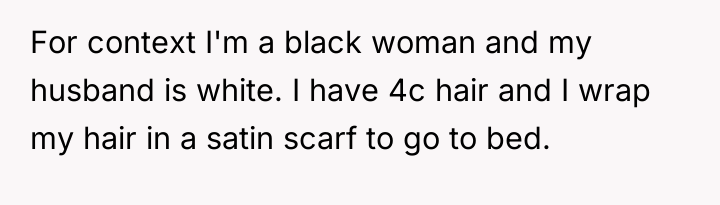
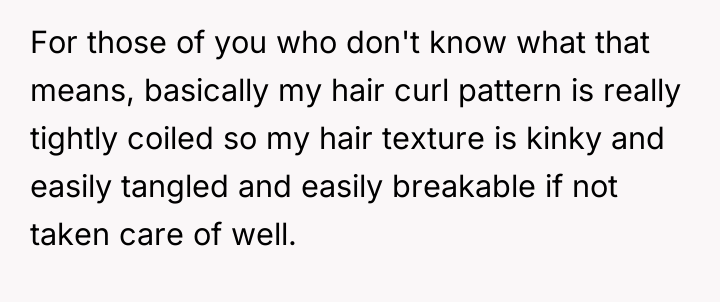
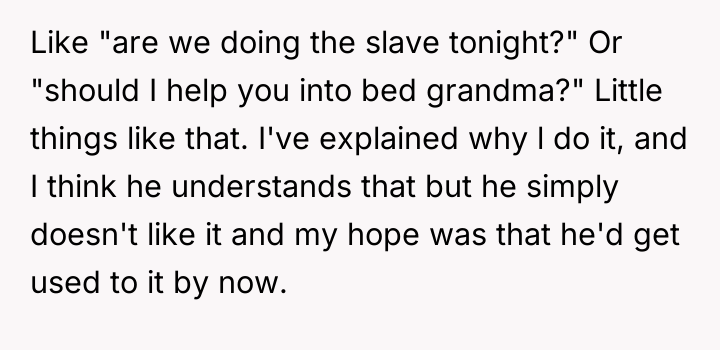
In the quiet intimacy of their shared bedroom, a simple satin scarf becomes a powerful symbol of ident*ty and care. For her, it is a shield protecting fragile, tightly coiled hair from the harshness of the night, a ritual rooted in love and self-preservation. Yet, in the light of their interracial marriage, this personal act stirs unexpected emotions, revealing the delicate dance between cultural pride and the shadows of history.
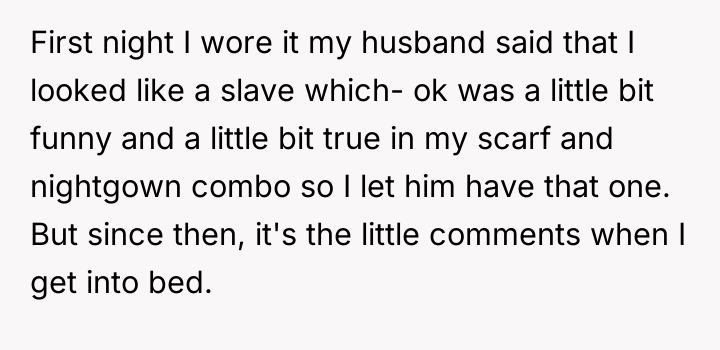
Each whispered comment from her husband, meant in jest, cuts deeper than the surface laughter suggests. It uncovers unspoken tensions and the weight of a painful legacy, challenging their connection and understanding. Amid the softness of night and the vulnerability of bedtime routines, their story unfolds—a poignant reflection on race, love, and the power of everyday moments to both bind and divide.




Subscribe to Our Newsletter
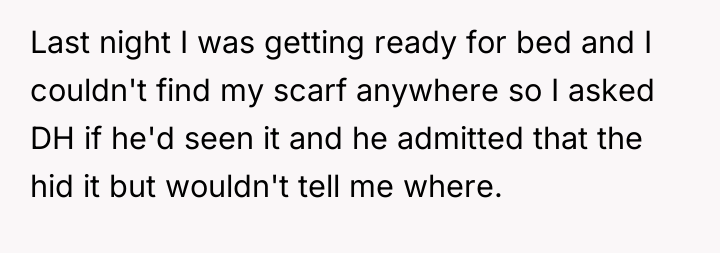
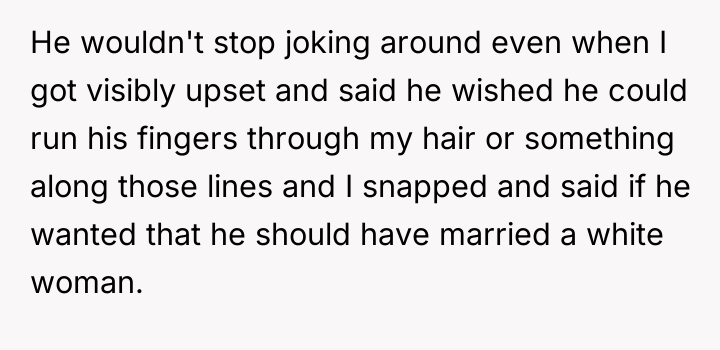
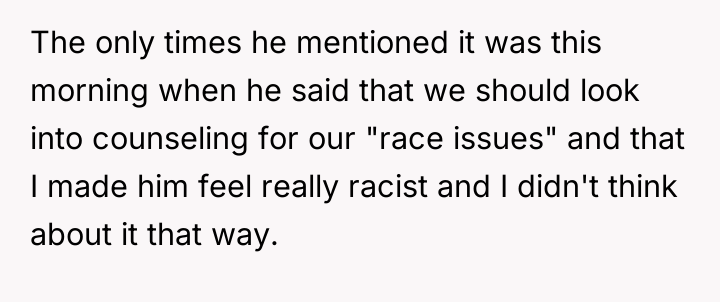
As renowned researcher Dr. Brené Brown explains, “Boundaries are the distance at which I can love you and me simultaneously.” In this situation, the core issue revolves around respecting the OP's personal boundaries regarding her physical needs and self-care, which in this case is tied to the management of her textured hair. The husband’s initial jokes about the scarf being reminiscent of historical stereotypes, while potentially stemming from ignorance or poor humor, crossed a line when he escalated to actively hiding the item necessary for her routine. This move from verbal teasing to physical obstruction demonstrates a lack of respect for the OP’s autonomy and emotional need for security in her self-care. The OP’s final statement, while regrettable in its use of race as a weapon in an argument, likely arose from a feeling of complete invalidation and powerlessness after her communicated needs were ignored. The husband’s immediate pivot to suggesting counseling focused on "race issues" may serve as a way to deflect responsibility from his own disrespectful actions (hiding the scarf) by framing the conflict solely around racial sensitivity. The OP’s action of snapping was an inappropriate way to handle the argument, but her underlying frustration was justified by the husband's behavior. A more constructive path would have been to clearly state that hiding the scarf was a violation of trust and a non-negotiable boundary, separate from the initial teasing. While counseling might be beneficial eventually, the immediate next step should involve the husband apologizing for hiding the item and agreeing to respect her need for the scarf, addressing the communication breakdown directly before broadly labeling the conflict as a 'race issue.'
HERE’S HOW REDDIT BLEW UP AFTER HEARING THIS – PEOPLE COULDN’T BELIEVE IT.:
Support, sarcasm, and strong words — the replies covered it all. This one definitely got people talking.
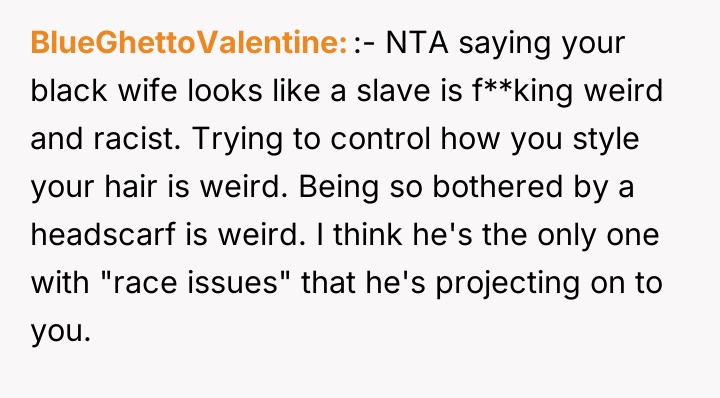
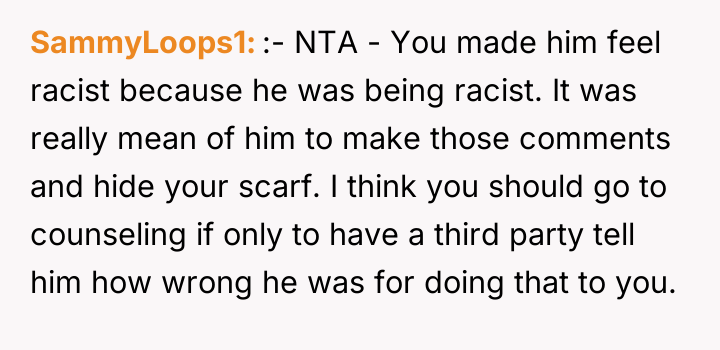
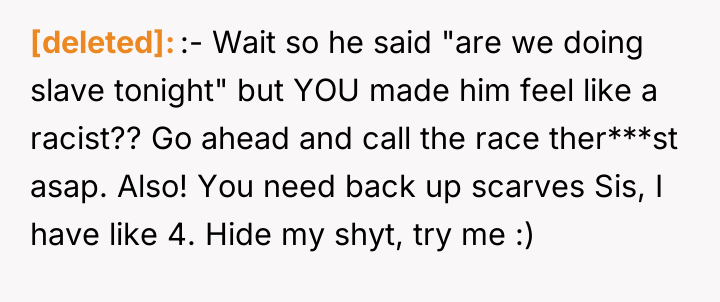
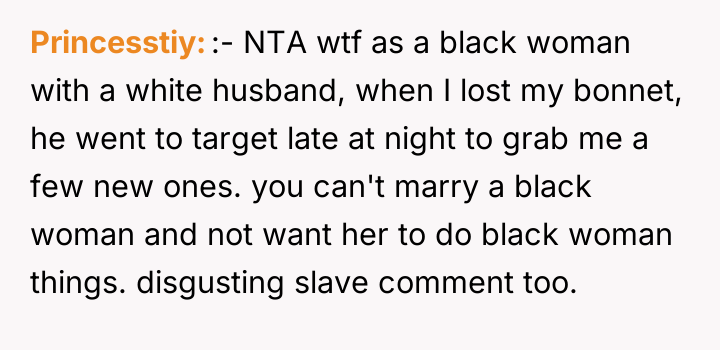
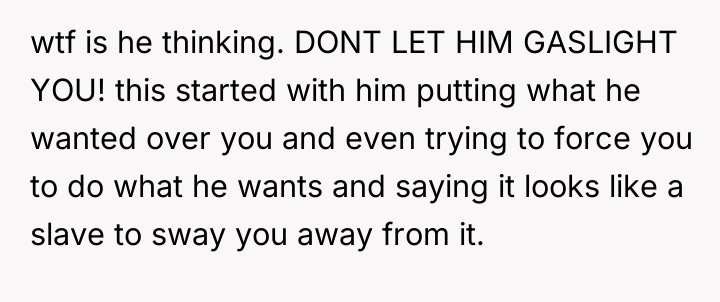
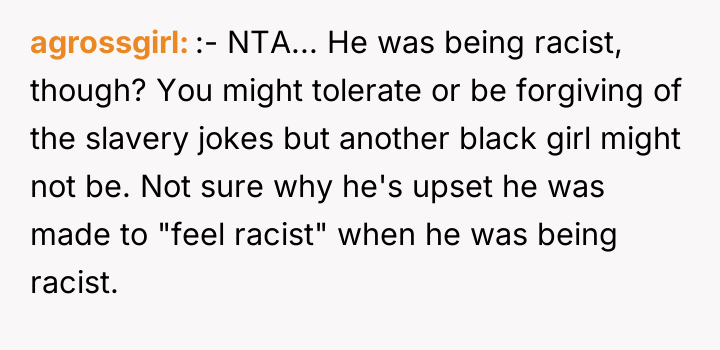

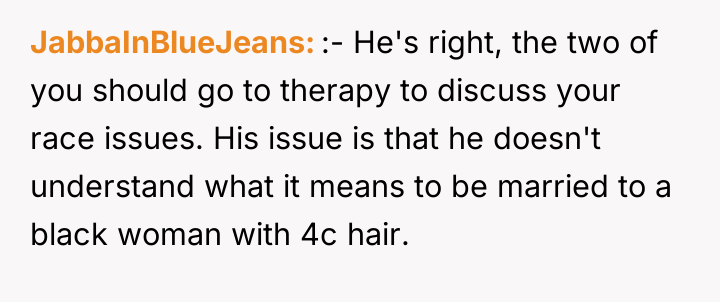
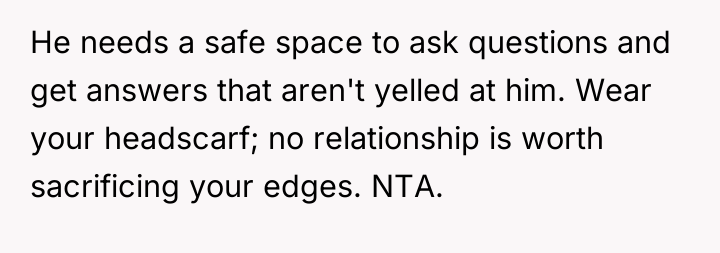
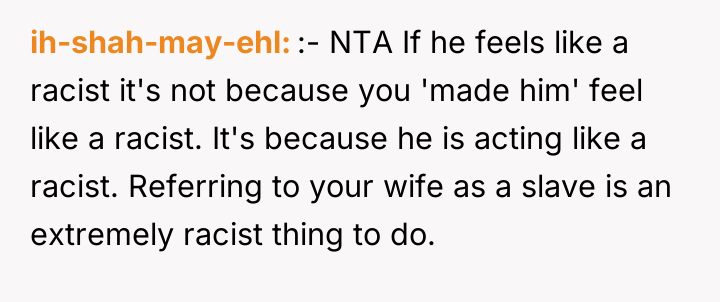

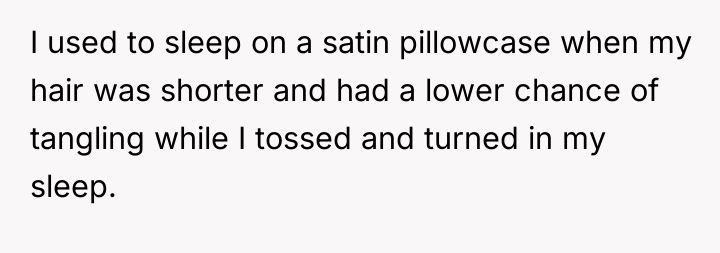
The original poster (OP) is experiencing distress because her husband repeatedly mocks her necessary hair care routine, which involves wrapping her hair in a scarf at night. Her conflict lies between maintaining her hair health, which requires the scarf, and avoiding her husband's insensitive comments. When the situation escalated to him hiding the scarf, OP reacted emotionally by invoking race, leading the husband to suggest couples counseling for "race issues."
Was the OP's reaction, involving race, a disproportionate response to her husband's persistent teasing about her hair covering, or was his act of hiding the scarf a controlling boundary violation that justified her sharp retort? Should the couple focus on communication repair or address underlying racial dynamics?