AITAH for embarrassing my husband's coworker for embarrassing me and my husband?
The narrator (OP, 33F) and her husband (32M), a Black couple, recently welcomed their first child after years of trying to conceive. Shortly after the birth, the husband shared a birth announcement email with a photo of their newborn son to his entire office.
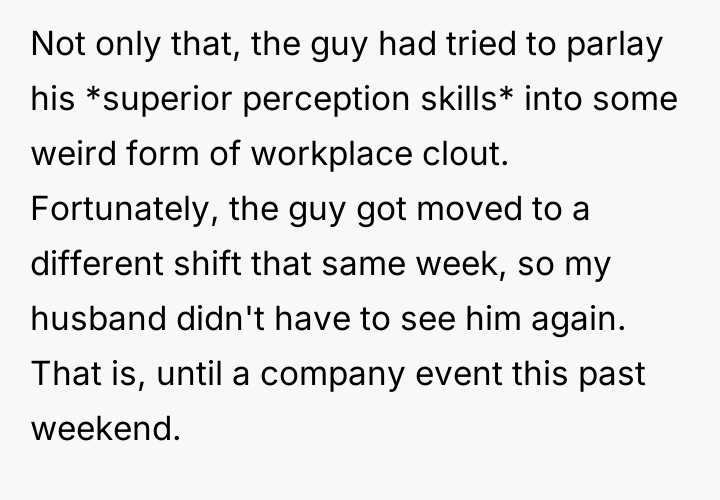
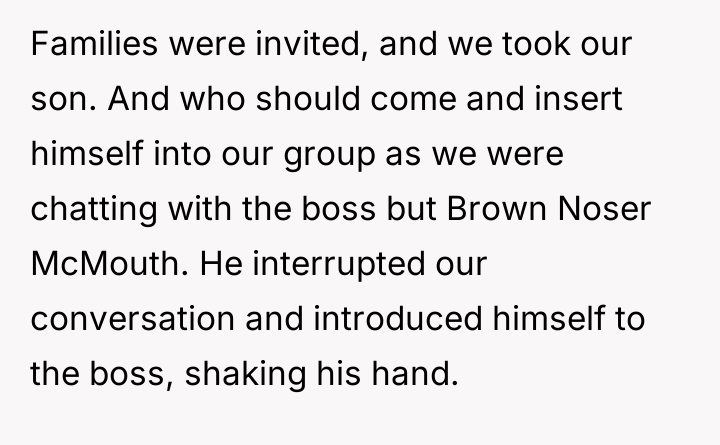
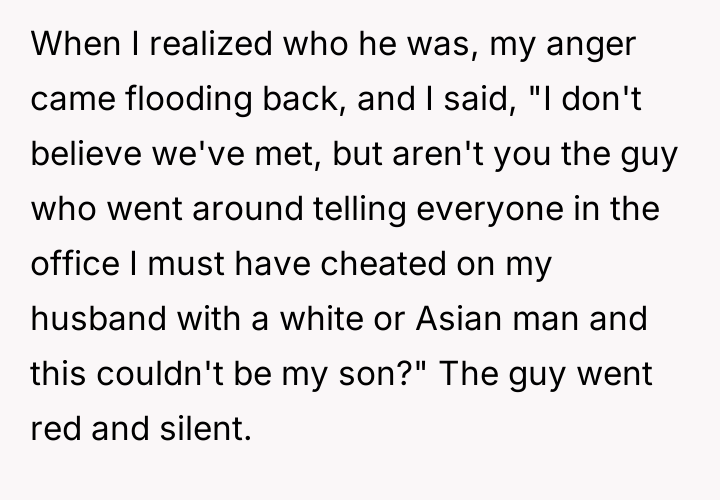
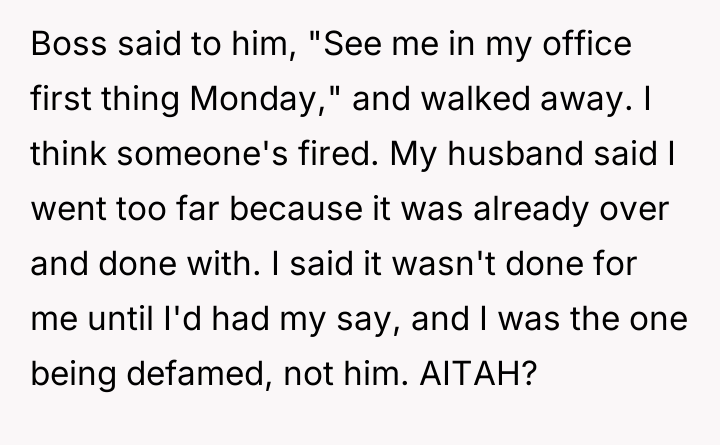
A few weeks later, the husband learned that a new, young male coworker had been spreading rumors, claiming the baby could not be his because the infant was too light-skinned and had straight hair, suggesting infidelity. Although the coworker was eventually moved to a different shift, the OP encountered him at a recent company family event and publicly confronted him about the defamatory comments. The husband later expressed that the OP overstepped by bringing up the past issue, leaving the OP to question if her actions were appropriate given that she was the one being targeted by the slander.




Subscribe to Our Newsletter
According to Dr. Morgan Coleman, a specialist in workplace dynamics and personal accountability, 'When reputational harm, particularly that which touches on deeply personal and sensitive issues like paternity and fidelity, is publicly introduced into a professional environment, the affected party has a strong claim to final say in its resolution, regardless of initial management interventions.' The coworker's initial actions were egregious, relying on harmful racial stereotypes about infant appearance to slander the husband and question the OP's fidelity. When the OP confronted him publicly, she was not creating a new conflict but rather enforcing a boundary that the initial management action (moving shifts) failed to satisfy for her: the need for direct accountability. Her action was a form of necessary self-advocacy against character assassination. While the husband may have focused on immediate conflict avoidance, the OP prioritized the complete removal of the stain on her character. In professional settings where personal attacks are made, decisive confrontation, when executed clearly and factually as the OP did, often serves as the most effective boundary reinforcement. A path forward for the couple involves acknowledging that both reactions—the husband's desire for peace and the OP's need for closure—were valid responses to a deeply upsetting situation.
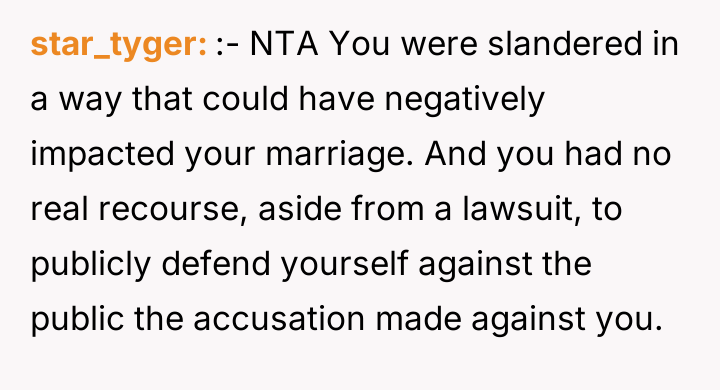
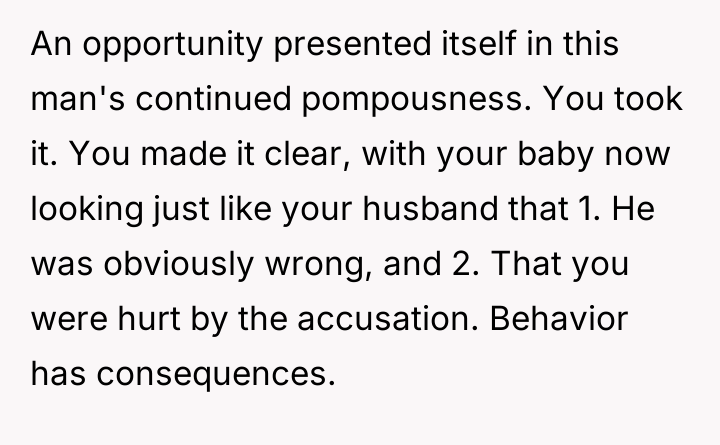
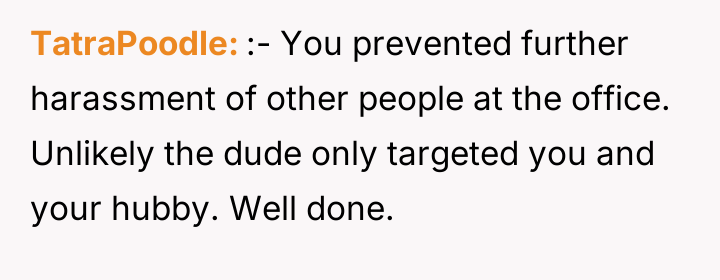
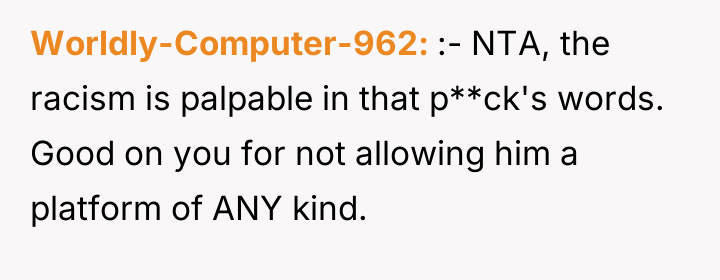
THE COMMENTS SECTION WENT WILD – REDDIT HAD *A LOT* TO SAY ABOUT THIS ONE.:
Support, sarcasm, and strong words — the replies covered it all. This one definitely got people talking.



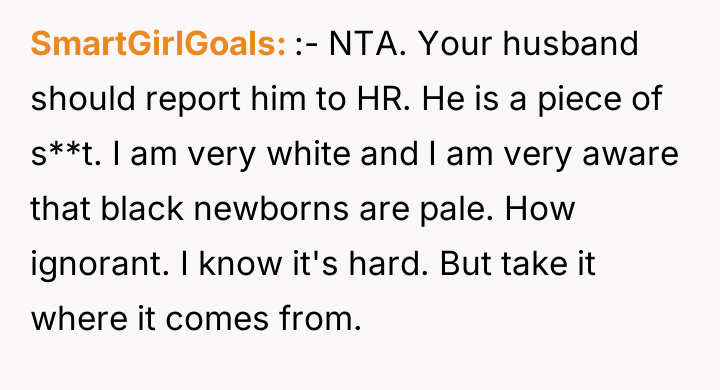
The central conflict revolves around the OP feeling a need to defend her reputation and marriage against serious, racially-tinged defamatory statements made by a coworker, while her husband believed the situation was resolved once the coworker was moved away from his immediate work area.
The core question for consideration is whether the OP was justified in publicly confronting the source of the slander at a professional event to ensure the matter was fully settled, or if her intervention was an overreaction that potentially created unnecessary new professional repercussions.