AITA for correcting a friend when she said she “re-homed” her cat?
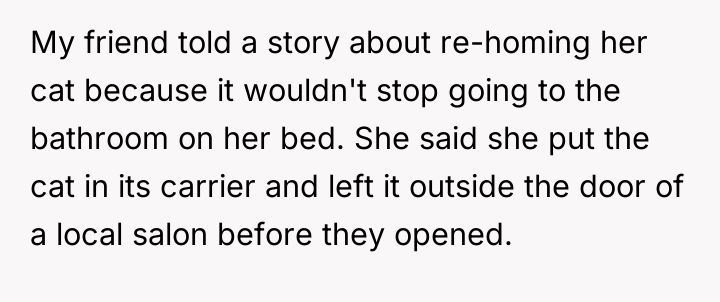
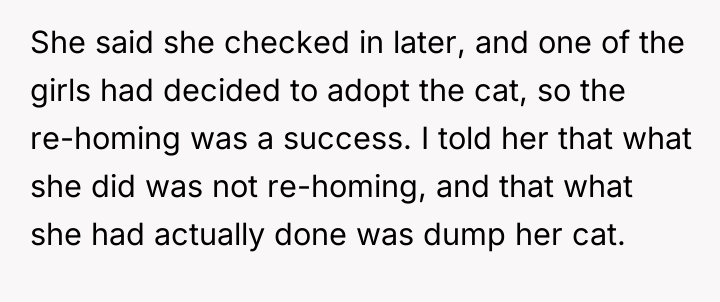
A woman faced a heartbreaking decision when her beloved cat began soiling her bed, a problem she felt she could no longer manage. In a moment of desperation, she left the cat outside a salon, hoping someone there might give it a new home, believing she was doing the kindest thing for her pet.
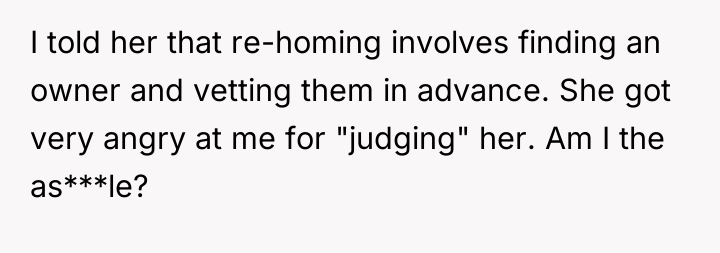
But to her friend, this act wasn’t kindness—it was abandonment. The friend saw the difference between truly re-homing a pet and simply dumping it, sparking a painful clash of judgment and emotion that left both feeling misunderstood and torn.

Subscribe to Our Newsletter
As renowned animal behaviorist Dr. Sophia Yin explains, “Behavioral issues, especially inappropriate elimination, are almost always rooted in a medical problem or environmental stress, and giving up on the animal without a thorough diagnostic workup is often premature.” The friend's action of leaving the cat outside a business before opening hours is commonly defined as abandonment, regardless of the subsequent positive outcome. This behavior suggests the friend prioritized solving her immediate stress—the soiled bedding—over the animal's welfare and the established protocol for responsible pet transition. This act suggests a failure in setting environmental boundaries for the pet or seeking professional intervention for the medical/behavioral cause. The friend's reaction of anger toward the OP indicates classic defensiveness, where external criticism of a difficult decision triggers feelings of shame or guilt. The OP acted appropriately in clarifying the difference between dumping and responsible re-homing, as the latter requires vetting. However, in future similar situations, the OP could first validate the friend's distress before addressing the method. A constructive path forward involves advising the friend to consult a veterinarian immediately to rule out medical causes for the inappropriate elimination, as behavior modification is often possible with professional guidance.
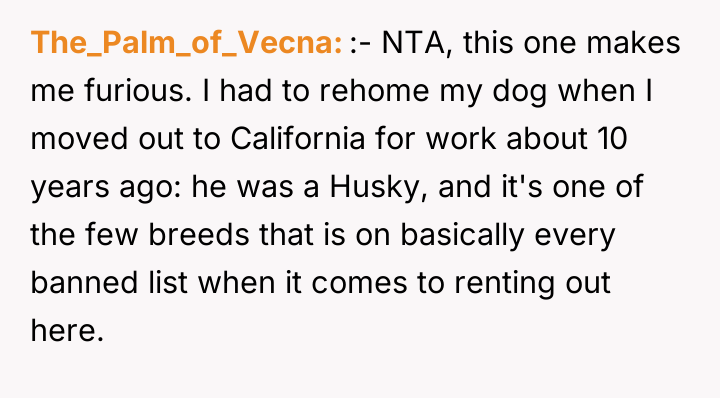
THE COMMENTS SECTION WENT WILD – REDDIT HAD *A LOT* TO SAY ABOUT THIS ONE.:
Support, sarcasm, and strong words — the replies covered it all. This one definitely got people talking.
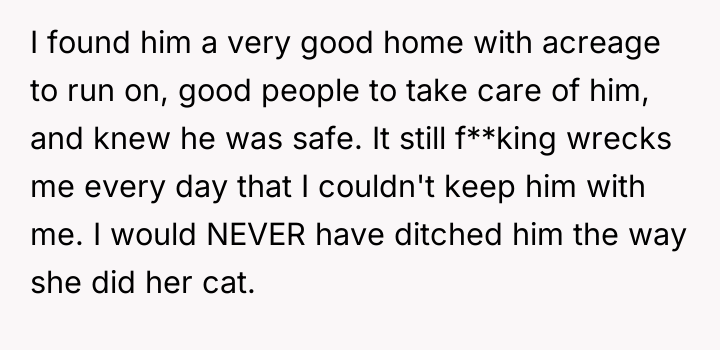
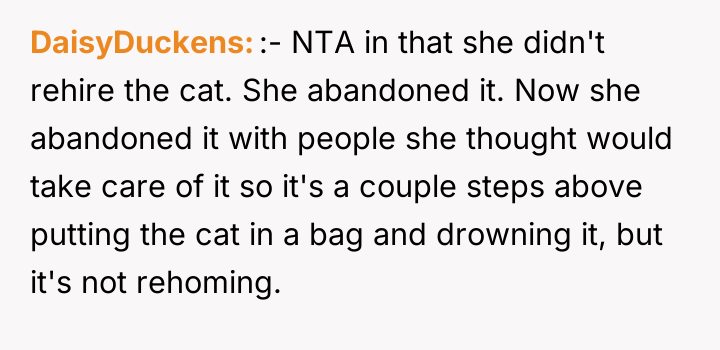
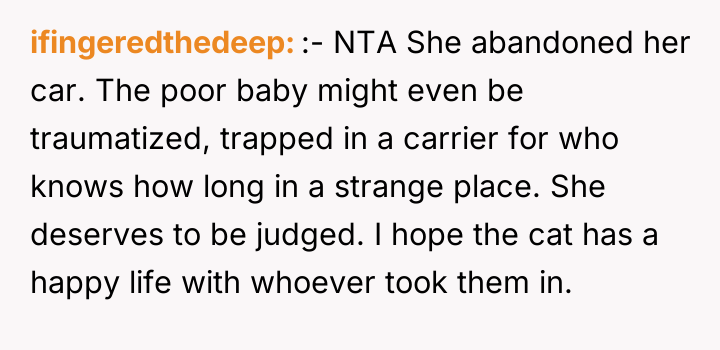
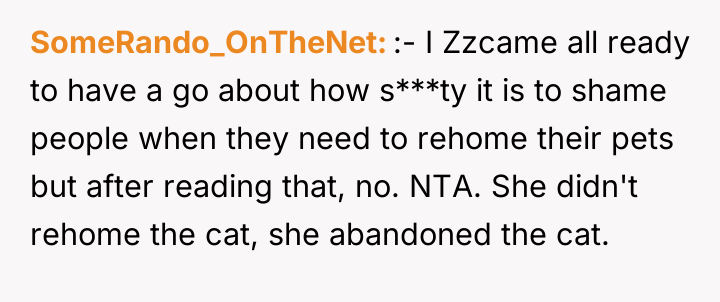
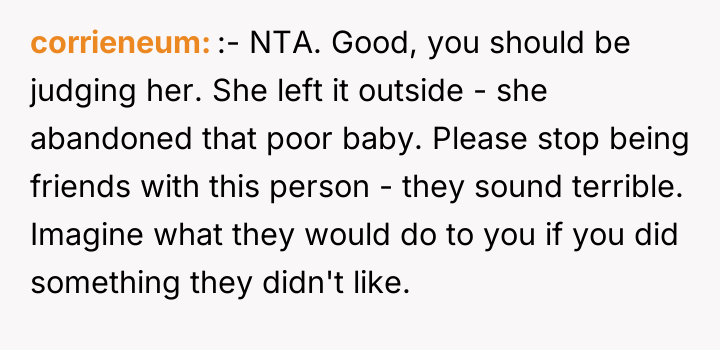
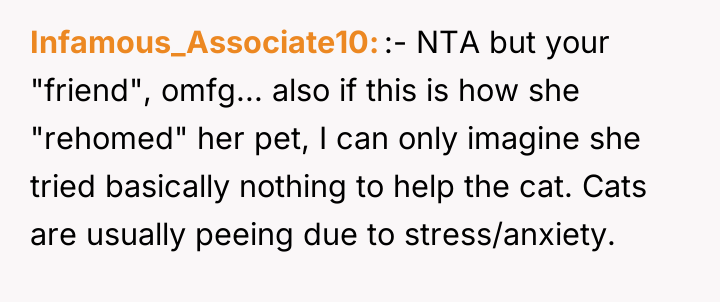
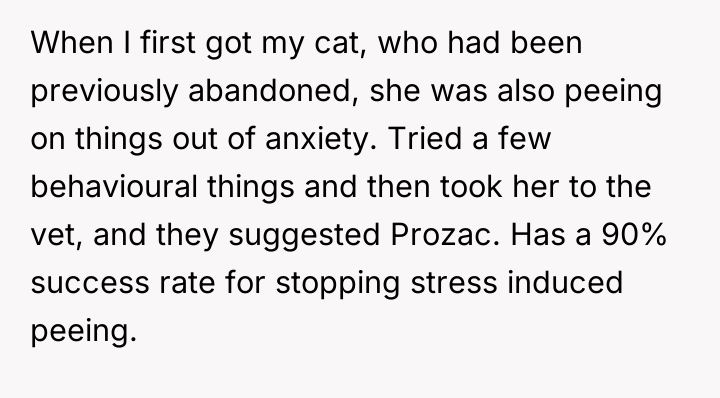
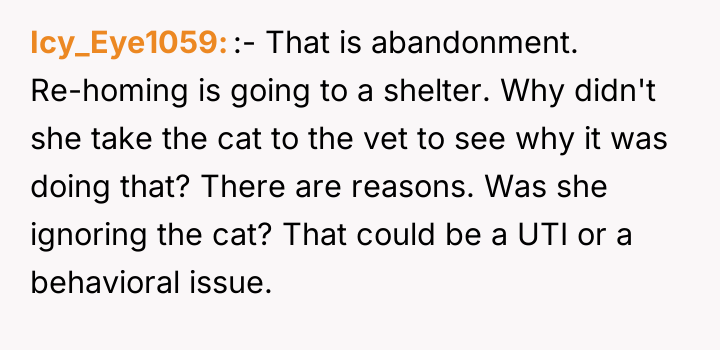
The original poster (OP) faced a difficult situation involving a pet with behavioral issues and reacted by confronting their friend about abandoning the animal rather than re-homing it responsibly. The friend became defensive, interpreting the OP's direct feedback as personal judgment rather than an objective critique of the action taken regarding the cat.
Considering the irreversible impact on the animal and the differing definitions of 're-homing,' the core question remains: Is it more important to prioritize immediate emotional relief from a difficult pet situation, or must one adhere strictly to ethical re-homing protocols, even if it means continued stress? Should the OP have prioritized supporting their friend's distress over correcting a potentially harmful action?