AITAH I took $2,000 to get off the plane and came home late
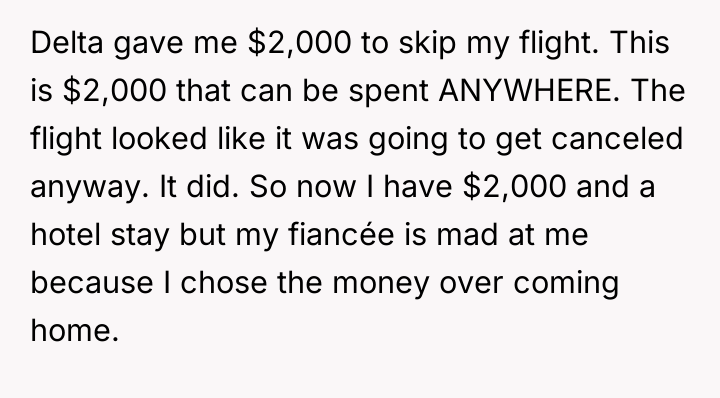
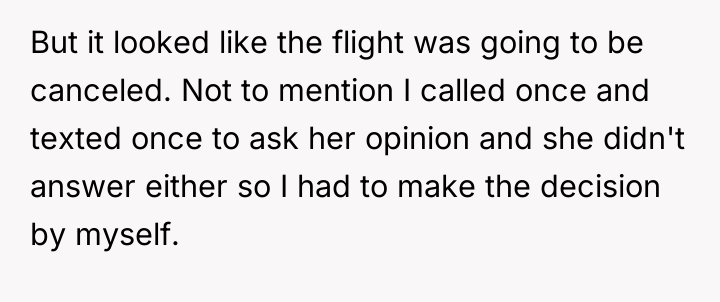
Caught in a whirlwind of uncertainty, he faced a heart-wrenching choice: take $2,000 to skip his flight or rush home to his fiancée. The flight was destined to be canceled, yet the weight of his decision pressed heavily, fracturing the fragile connection between them. In the silence of unanswered calls and texts, he was forced to decide alone, unaware of the depth of her struggle.
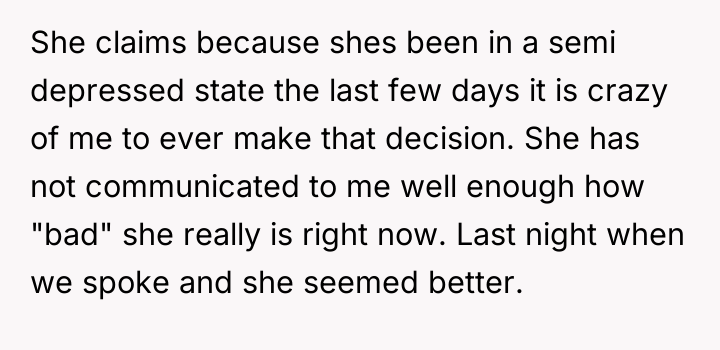
Now, with unexpected money and a hotel room, he grapples with the cost of his choice—not just the missed flight, but the distance growing between two hearts. She battles a quiet darkness he barely comprehends, and he wrestles with guilt and confusion, longing for a bridge to bring them back together.

Subscribe to Our Newsletter
As renowned researcher Dr. Brené Brown explains, “Boundaries are the distance at which I can love you and me simultaneously.” This situation highlights a conflict between self-interest (the $2,000) and relational responsibility. The OP made a pragmatic choice based on observable data—the flight was likely to be canceled—and the lack of timely communication from the fiancée. However, the fiancée's context, described as a 'semi depressed state,' shifts the nature of the decision from a mere travel inconvenience to an issue of emotional support. The OP's attempt to communicate (one call, one text) was insufficient given the critical nature of the decision and the partner's known vulnerability. When one partner is in a fragile state, the other often assumes a greater responsibility to err on the side of connection rather than financial prudence, as emotional security often outweighs short-term monetary benefits. The OP’s action was understandable from a purely logistical standpoint, but it failed to account for the unstated emotional contract within the relationship when one partner is struggling. For future situations, the OP should establish clear protocols with their fiancée regarding high-stakes decisions when she is emotionally vulnerable. If a partner indicates they are not well, communication attempts must be persistent or alternative means of confirmation (e.g., contacting a trusted friend) should be used before making a decision that directly impacts the partner's immediate emotional support system.
THIS STORY SHOOK THE INTERNET – AND REDDITORS DIDN’T HOLD BACK.:
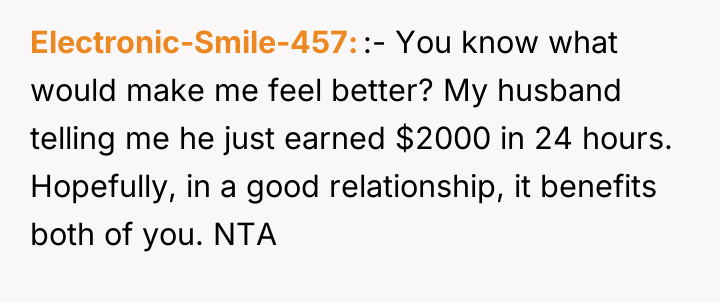
When users weighed in, they held nothing back. It’s a raw, honest look at what people really think.
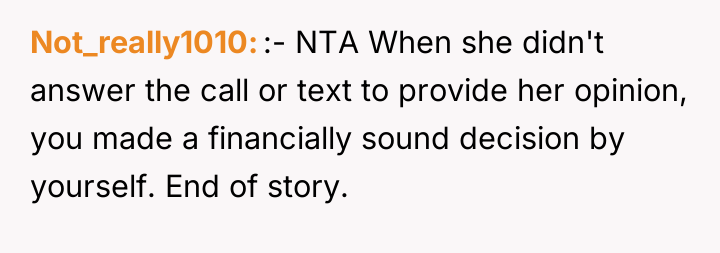
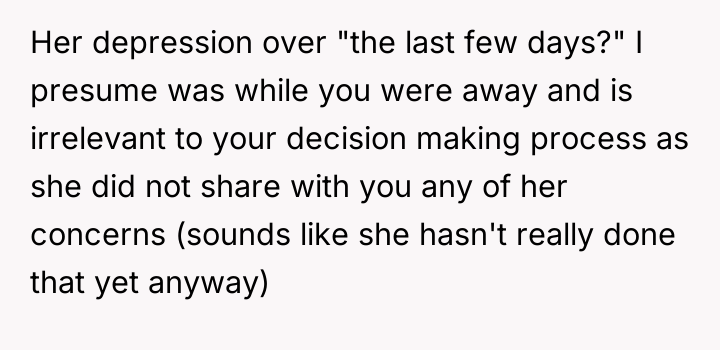
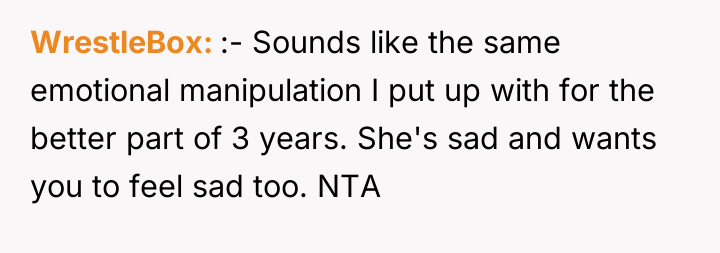
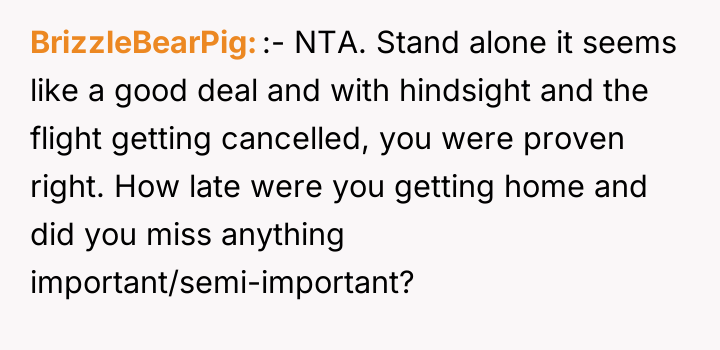
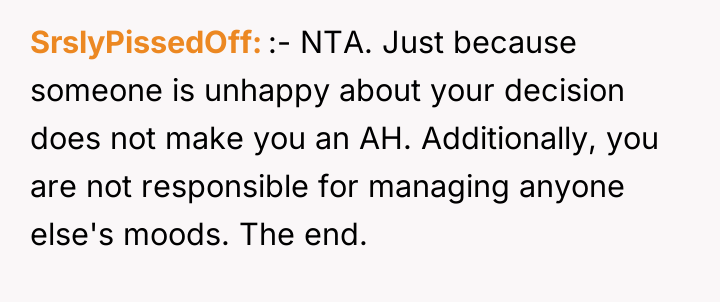
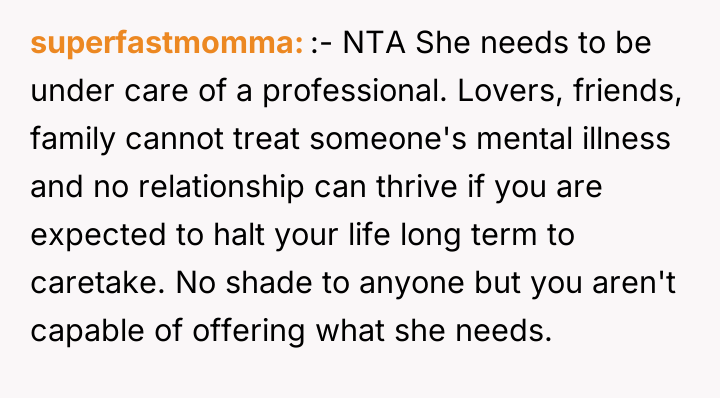
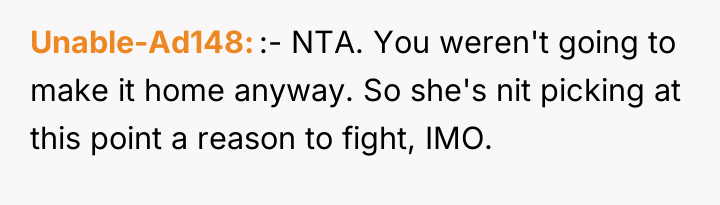
The original poster (OP) acted based on a significant financial incentive, prioritizing the $2,000 compensation offered by Delta over immediately returning home to their fiancée, despite the high probability of the flight being canceled. The central conflict lies between the OP's practical, financially motivated decision-making and the fiancée's expectation of emotional priority and immediate presence, especially given her reported vulnerable mental state.
Given the high likelihood of cancellation, was the OP justified in accepting the immediate financial reward without explicit consent, or did their fiancée's documented emotional fragility mandate that they wait or prioritize her emotional need for their presence over the monetary gain?