AITA for insisting that my boyfriend pay me for breaking my $3,500 model ship?
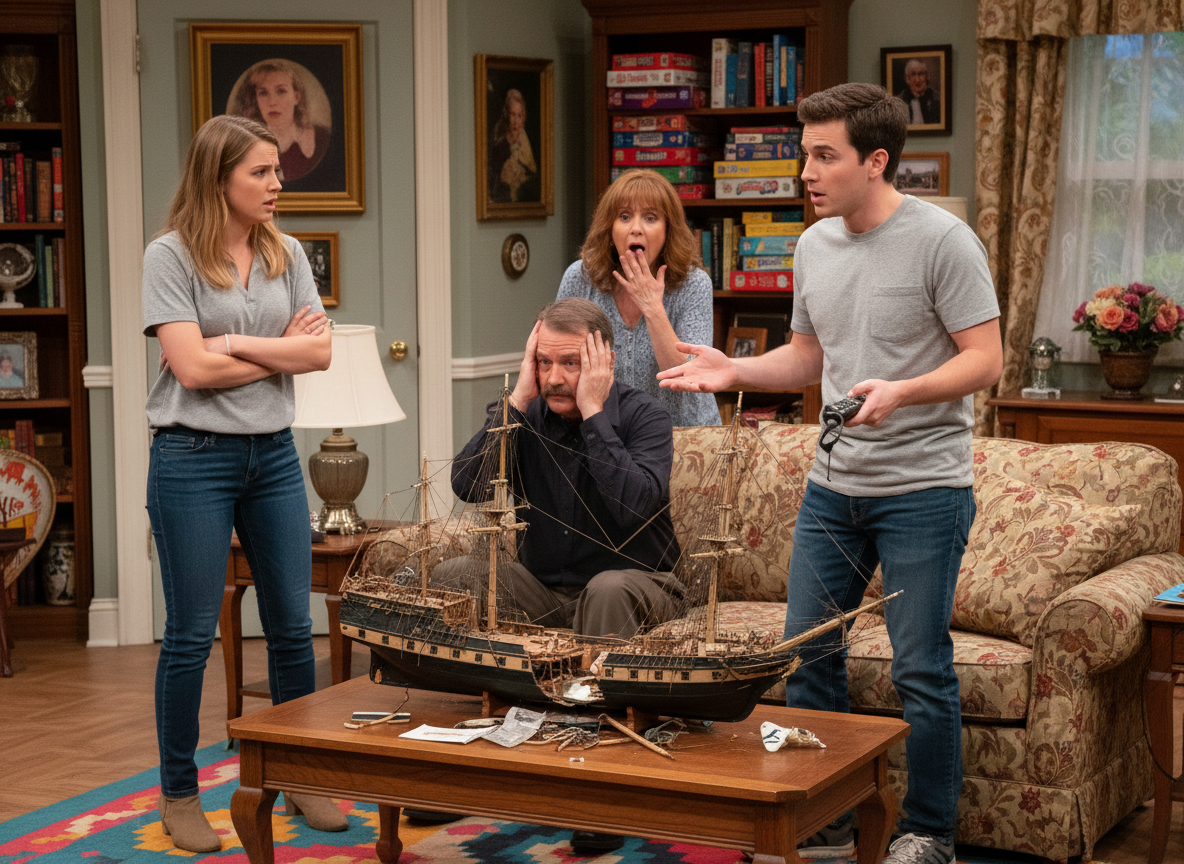
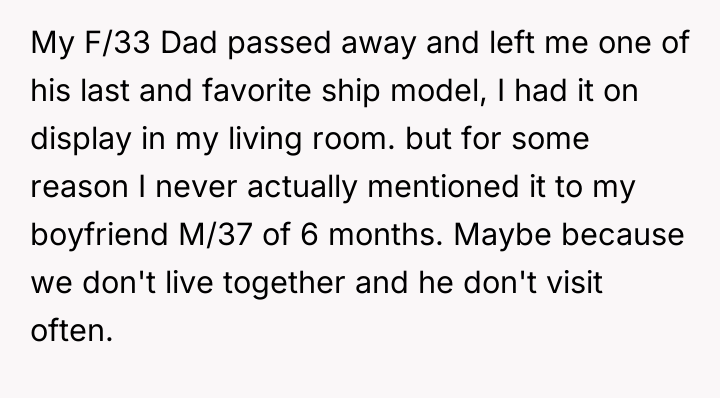
She had kept the ship model close, a silent testament to her father's memory, a piece of him living quietly in her living room. It was a sacred relic, a symbol of love and loss she had never found the courage to share with her boyfriend, perhaps fearing it would never be truly understood.
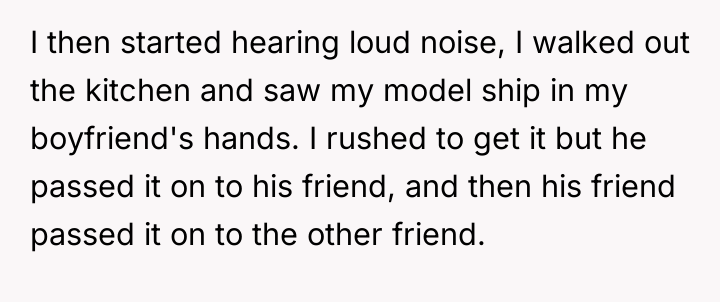
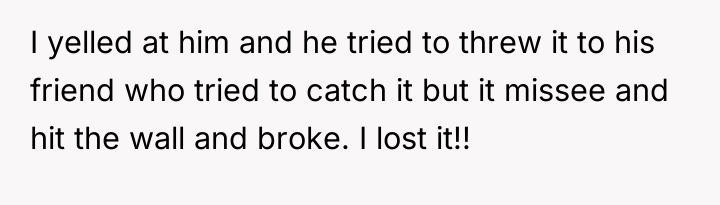
But that night, amidst the chaos of drunken laughter and reckless games, the fragile bond between memory and respect shattered. The model, once a cherished emblem of her father's legacy, became a pawn in a reckless game, its destruction echoing the raw pain of a heart betrayed.
Subscribe to Our Newsletter
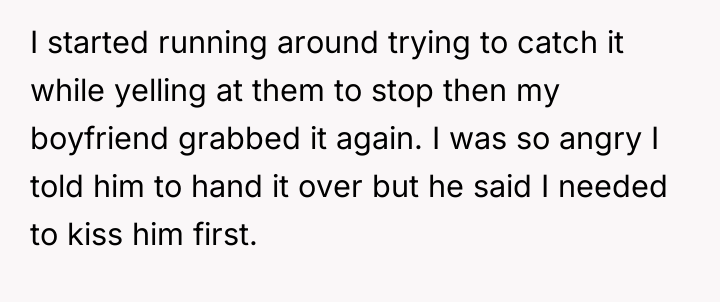
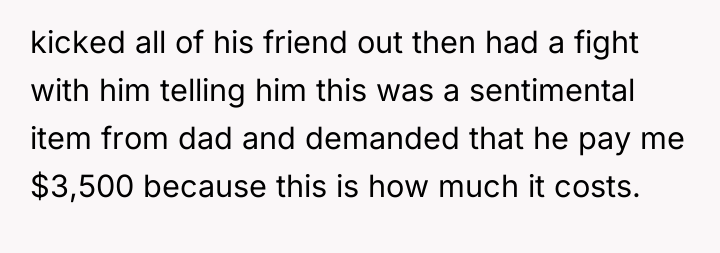
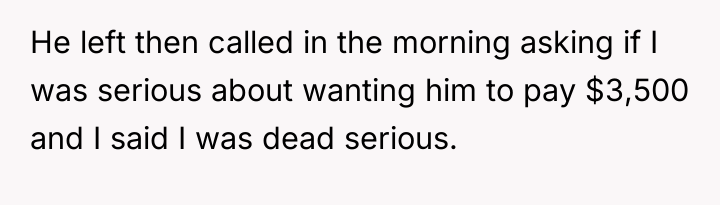
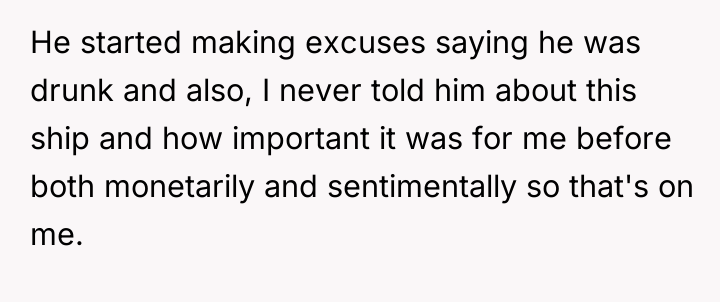
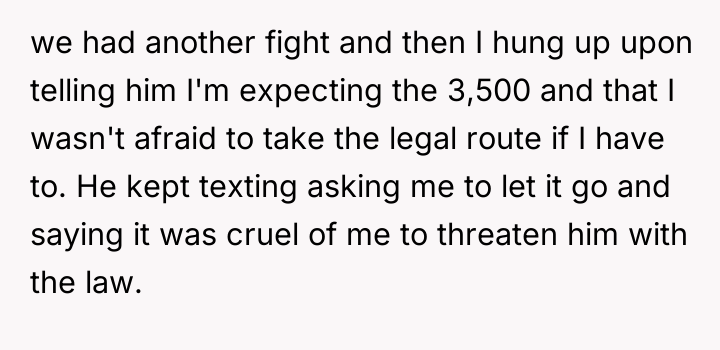
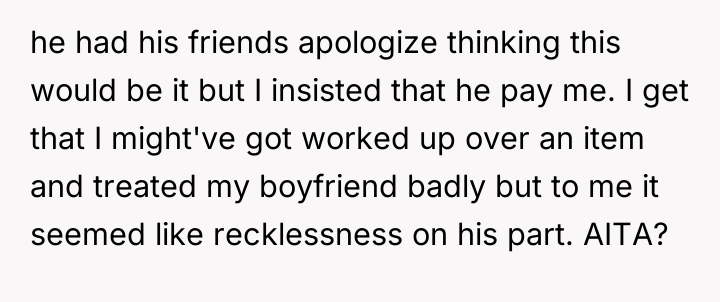
As renowned relationship expert Dr. John Gottman explains, “The most important thing in the world is to be able to talk to each other about what is important to you.” This situation highlights a severe breakdown in both communication and boundary setting. The boyfriend’s actions—engaging in high-risk, destructive behavior (throwing pillows, playing keep-away with a fragile object) while intoxicated—demonstrate a clear lack of respect for the OP's home and property. His demand that the OP 'kiss him first' to retrieve the item escalates the situation from mere recklessness to emotional manipulation, transforming a sentimental object into a bargaining chip. The OP’s initial failure to communicate the ship’s profound sentimental value (and perhaps its monetary value) left the boyfriend unaware of the stakes. However, once she explicitly stated its importance, his continued insistence on justifying the destruction based on his intoxication and her silence places the blame externally rather than taking responsibility for the damage caused. The OP’s reaction—demanding $3,500 and threatening legal action—while understandable given the emotional trigger, appears disproportionate to the relationship context (only six months). While the boyfriend is unequivocally at fault for the destruction, a more constructive approach would involve clear communication about the irreplaceable sentimental loss first. Professionally, the OP was appropriate in demanding accountability for the damage, but escalating immediately to a potentially relationship-ending legal threat is premature. A recommendation for the future would be to separate the discussion: first, address the breach of trust and the loss; second, agree on a fair, non-legal compensation plan that acknowledges both the monetary value and the sentimental void.
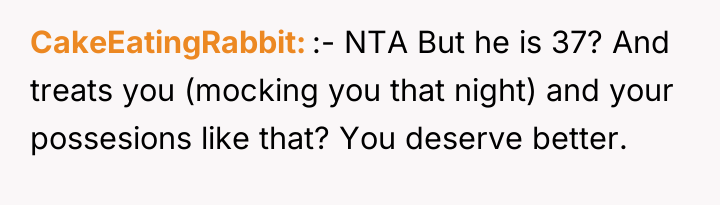
THIS STORY SHOOK THE INTERNET – AND REDDITORS DIDN’T HOLD BACK.:
When users weighed in, they held nothing back. It’s a raw, honest look at what people really think.
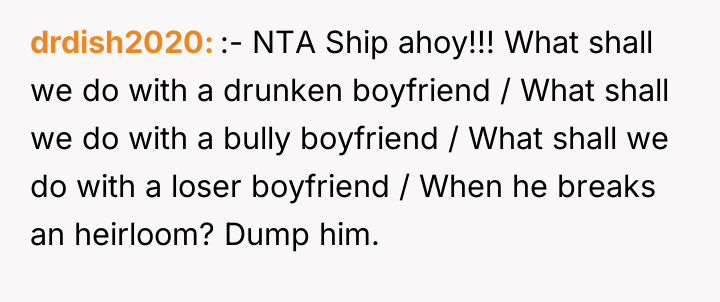
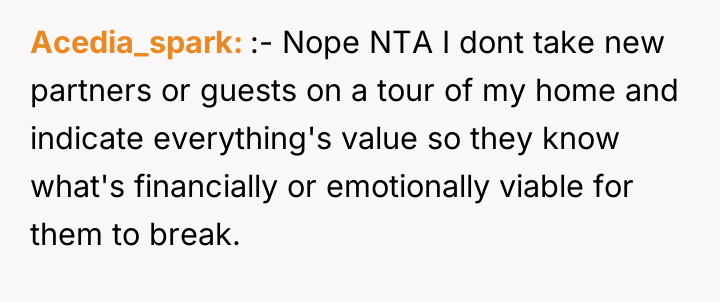
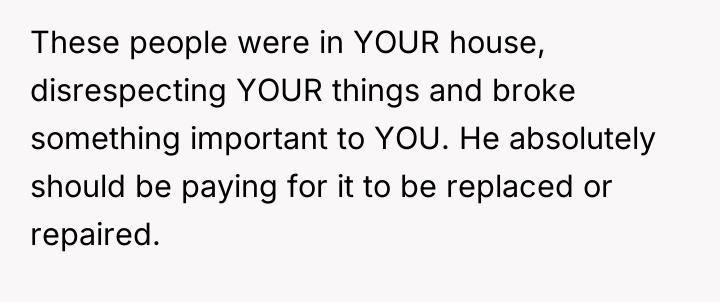
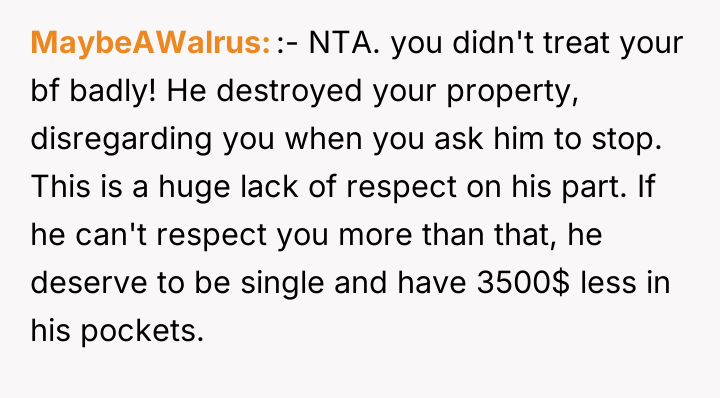
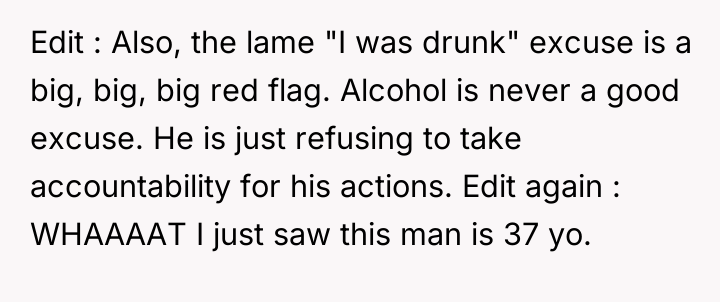
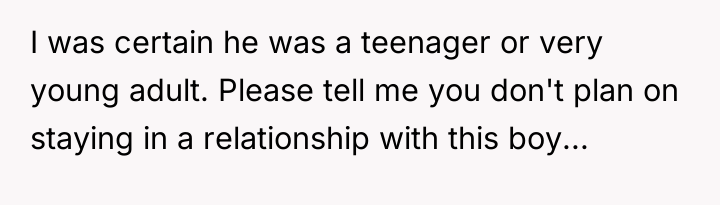
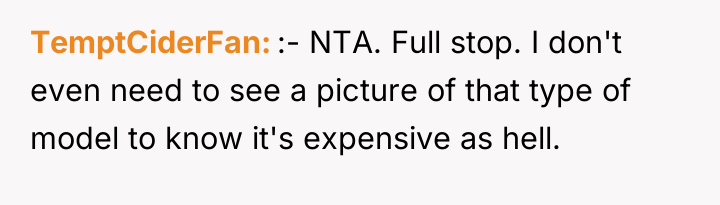
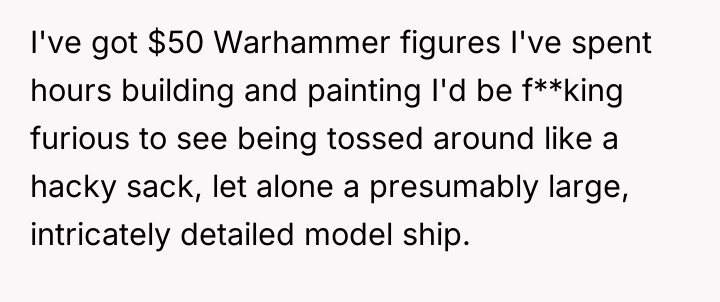
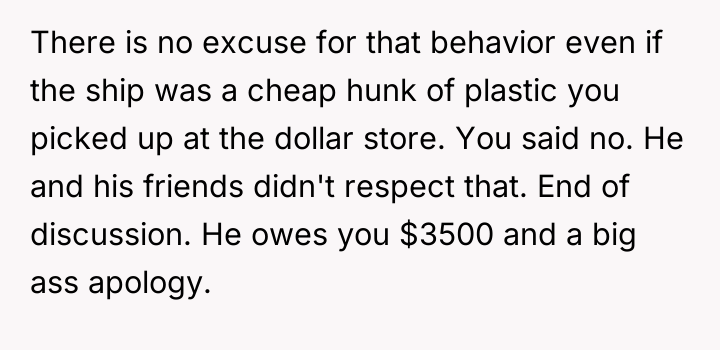
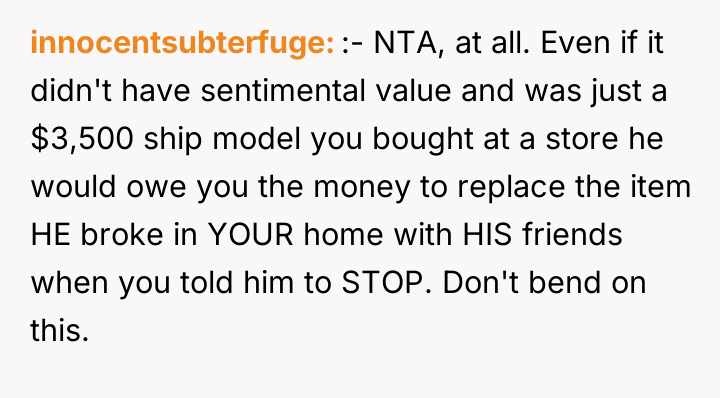
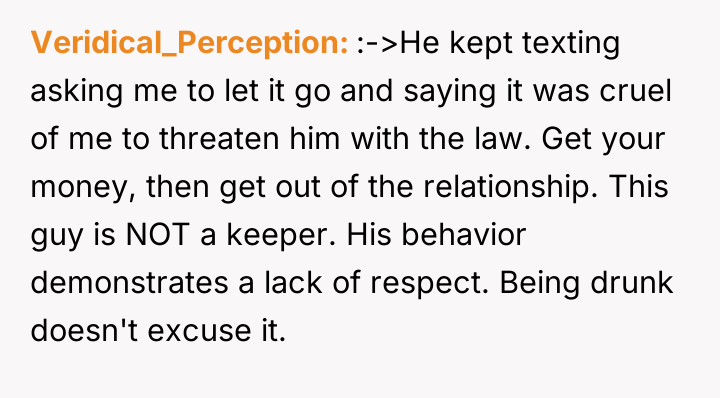
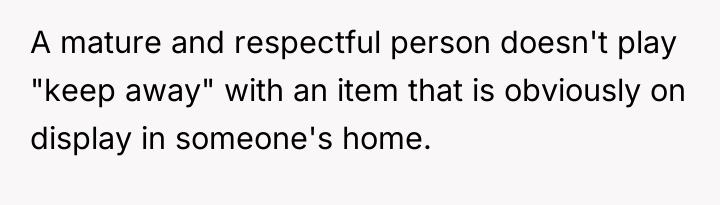
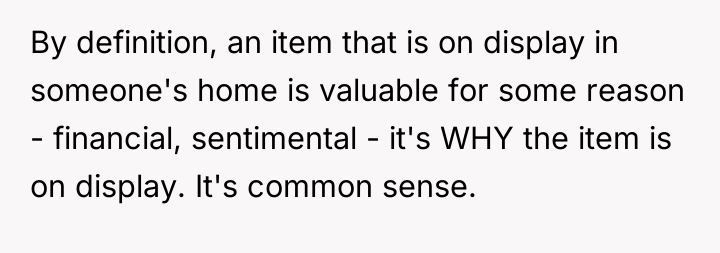
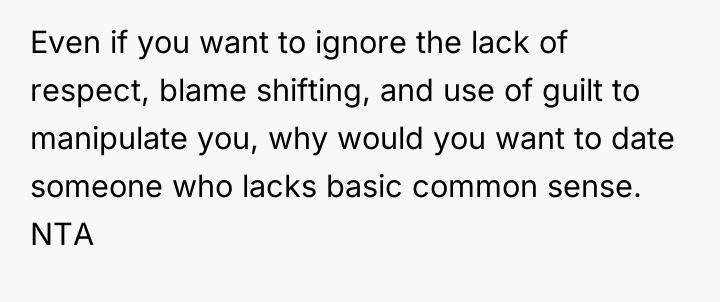
The original poster (OP) is experiencing intense grief and anger because a deeply sentimental item, a model ship inherited from her late father, was destroyed by her boyfriend and his friends during reckless behavior. The central conflict lies between the OP's need for acknowledgment, respect for her sentimental property, and demand for financial compensation, versus the boyfriend's defense based on intoxication, lack of prior knowledge regarding the item's importance, and the perceived harshness of the financial demand and legal threat.
Should the OP prioritize the sentimental value and pursue the $3,500 compensation, potentially ending the relationship, or should she accept the apology, recognize the context of intoxication, and focus on rebuilding trust and communication with her boyfriend regarding boundaries and important possessions?