AITAH for telling a guy to shut up during a job interview
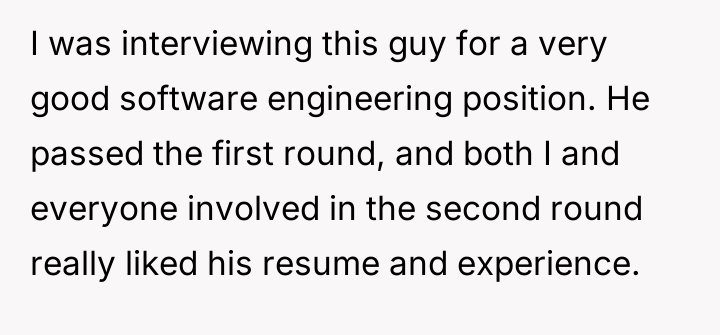
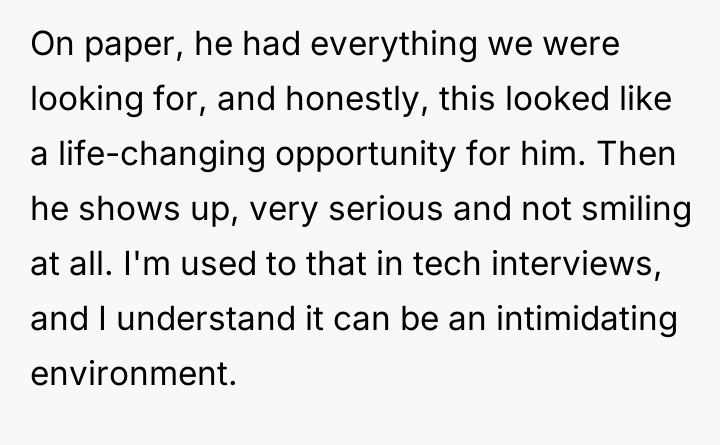
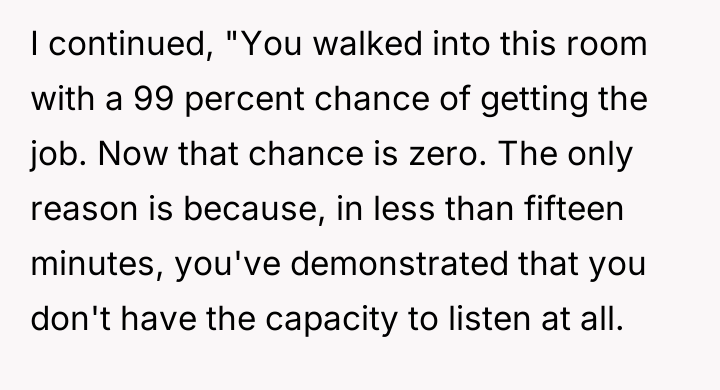
The original poster (OP) was conducting an interview for a high-level software engineering position with a promising candidate. The candidate possessed excellent qualifications on paper, suggesting a very high likelihood of receiving a job offer after the initial screening.
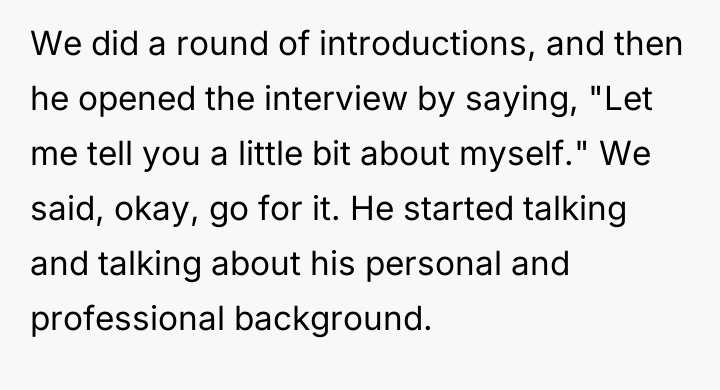
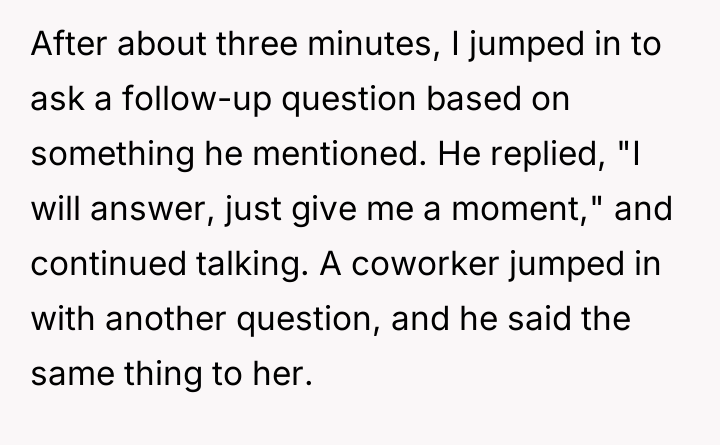
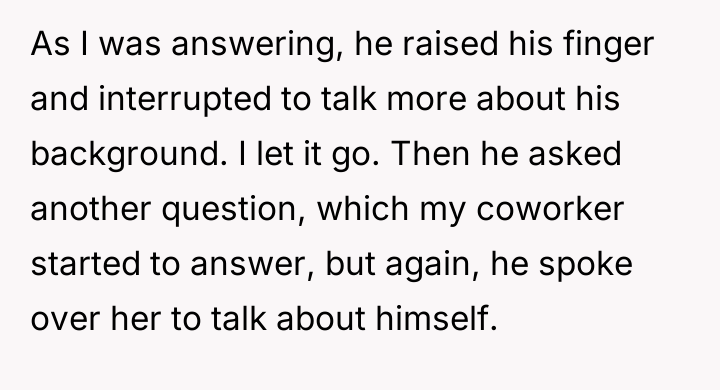
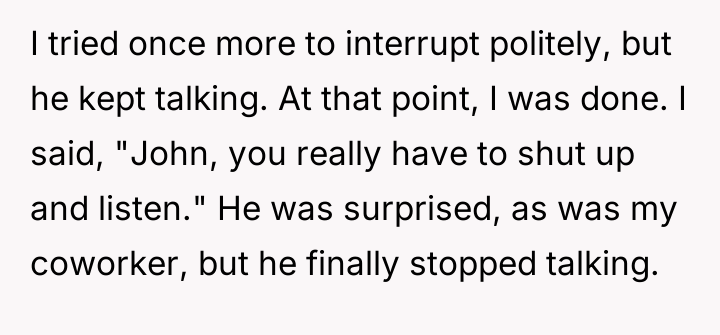
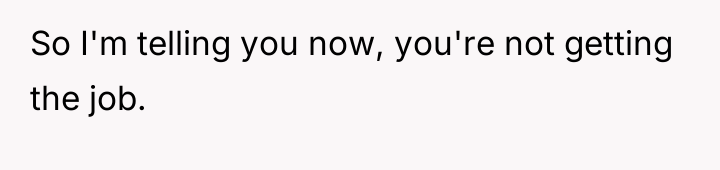
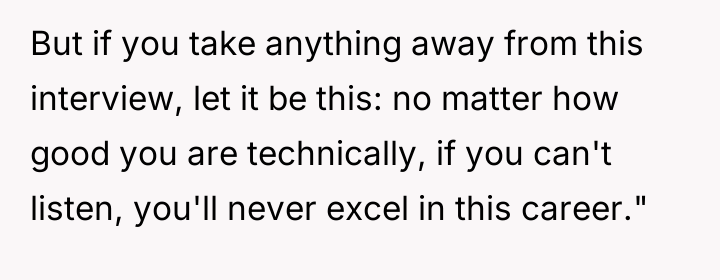
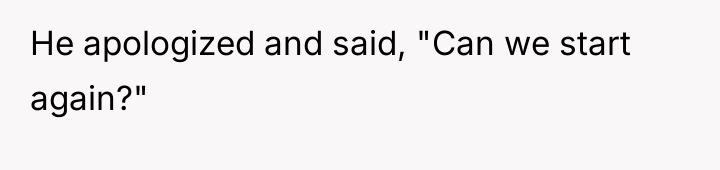
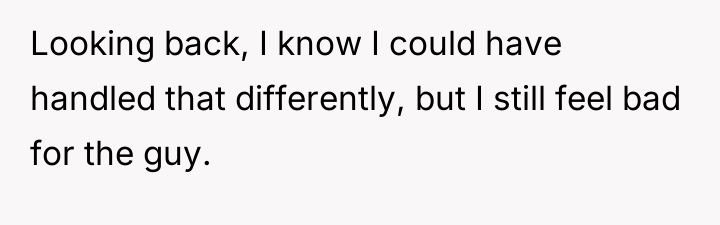
However, during the interview, the candidate consistently dominated the conversation, repeatedly interrupting the interviewers and refusing to stop talking even when they attempted to steer the discussion toward standard Q&A protocol. After the candidate ignored multiple polite cues and interruptions, the OP directly confronted him, rescinded the job offer on the spot due to the clear lack of listening skills, and told him why. The OP is now left feeling conflicted about the harshness of their final decision and delivery.



Subscribe to Our Newsletter
According to Dr. Riley Ross, a specialist in organizational communication, 'Professional settings require adaptive listening; the inability to pivot from monologue to dialogue signals a significant deficit in emotional intelligence and team compatibility, regardless of technical prowess.' The candidate’s actions clearly violated fundamental norms of professional discourse. In an interview setting, the ability to listen actively is a primary screening criterion, as it predicts collaboration, receptiveness to feedback, and understanding complex instructions. The candidate likely entered the interview with high anxiety or perhaps a fixed belief that over-selling his accomplishments was the only path to success, leading to the continuous monologue. This behavior suggests an extreme lack of situational awareness—failing to 'read the room' when the interviewers were clearly signaling distress. The OP’s decision, while delivered forcefully, addressed a core competency failure. In high-stakes roles, unchecked conversational dominance can lead to severe communication breakdowns within a team. The OP's final comments were direct but served an important function: immediate, unambiguous feedback on a critical performance flaw. While softer phrasing could have been used, the severity of the candidate's behavior warranted a strong consequence. The recommended path forward for the OP is to stand by the necessity of the feedback while perhaps refining the delivery for future situations, ensuring that core competency failures are addressed clearly, even if definitively.
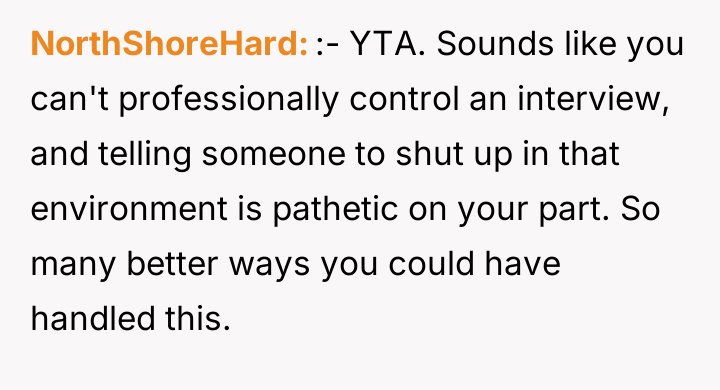
THIS STORY SHOOK THE INTERNET – AND REDDITORS DIDN’T HOLD BACK.:
This one sparked a storm. The comments range from brutally honest to surprisingly supportive — and everything in between.
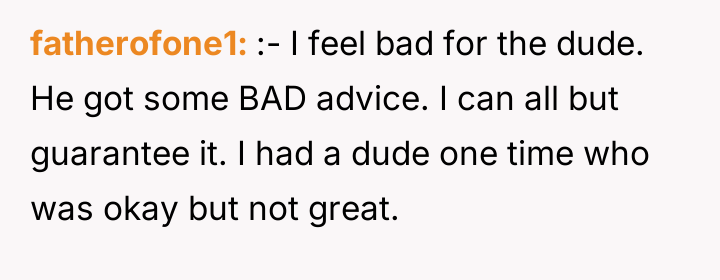
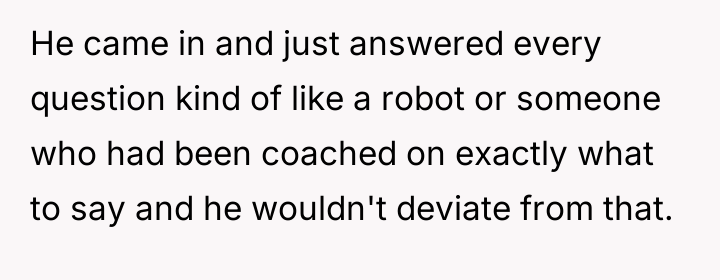
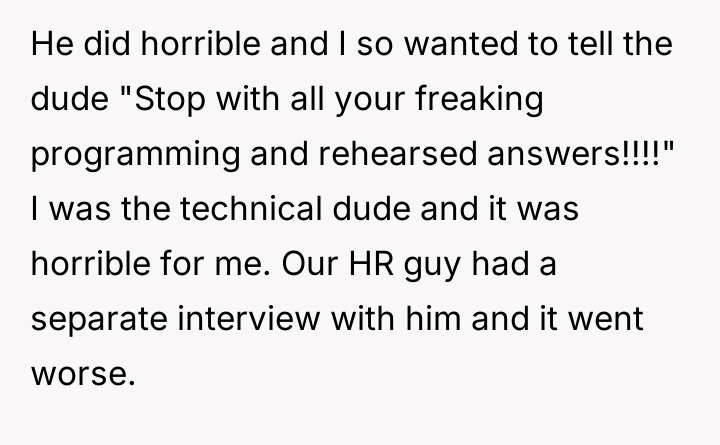
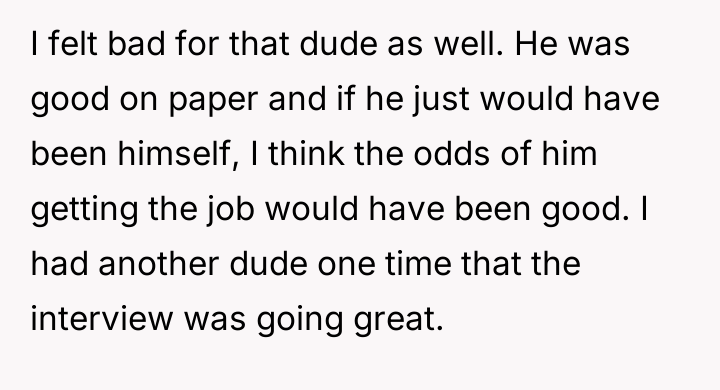
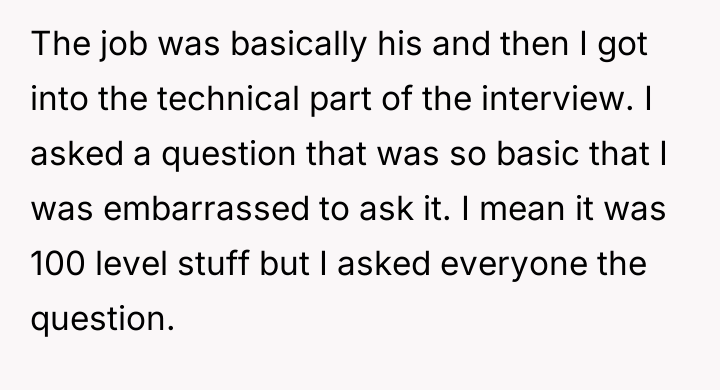
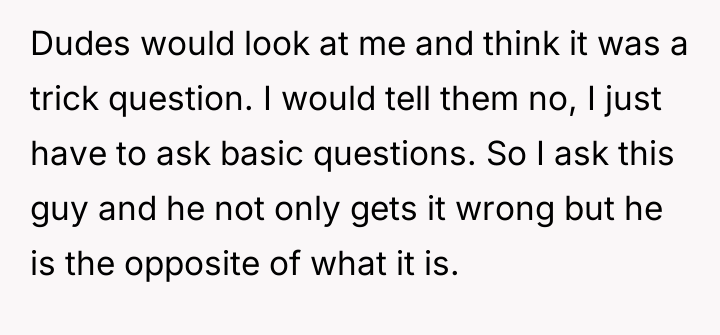
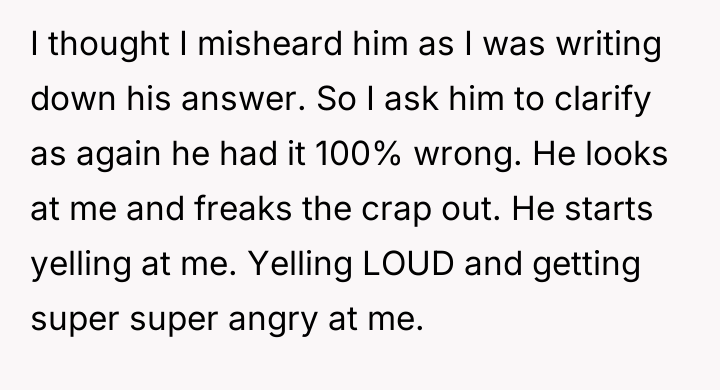
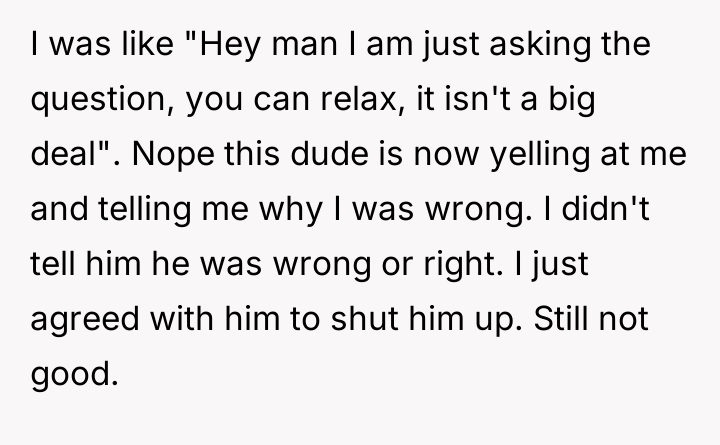
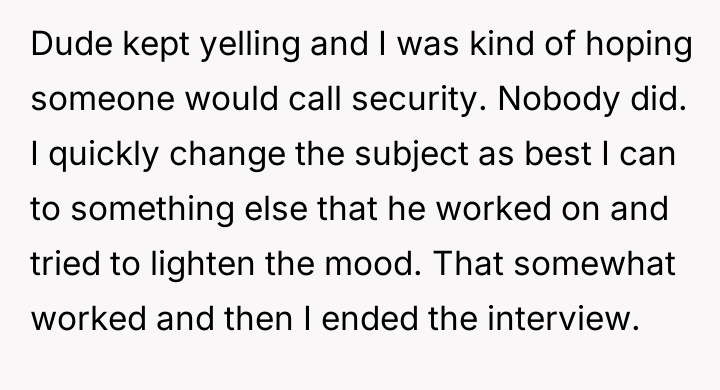


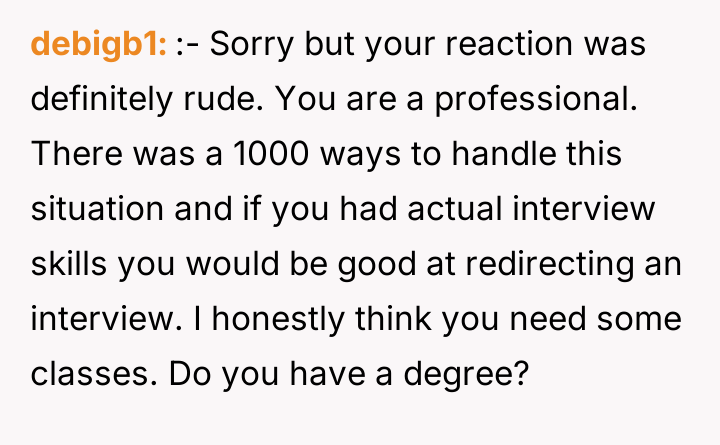
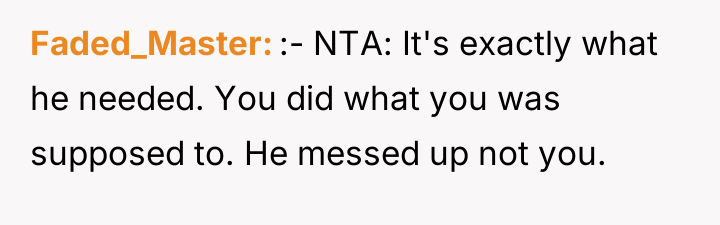
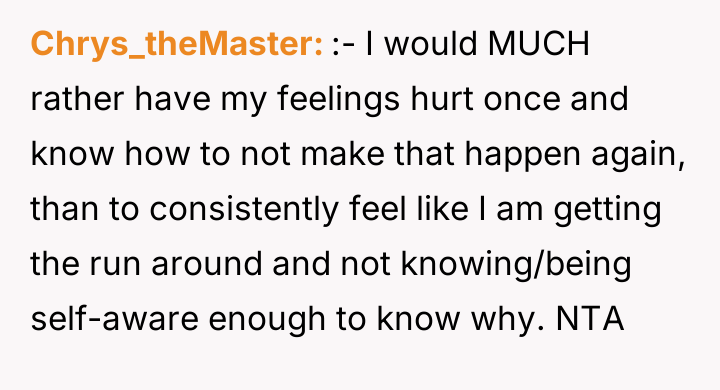
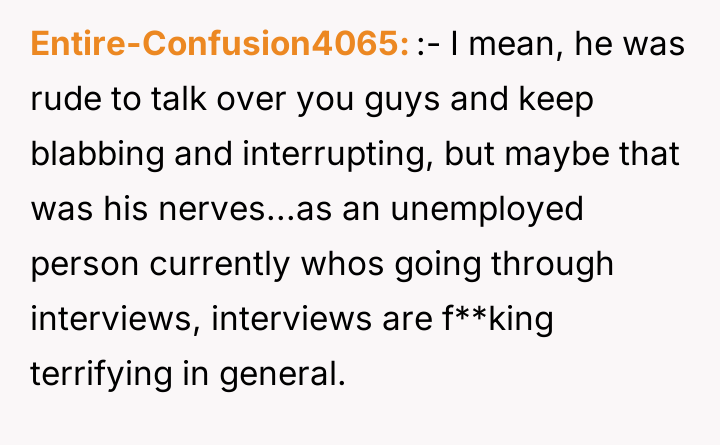
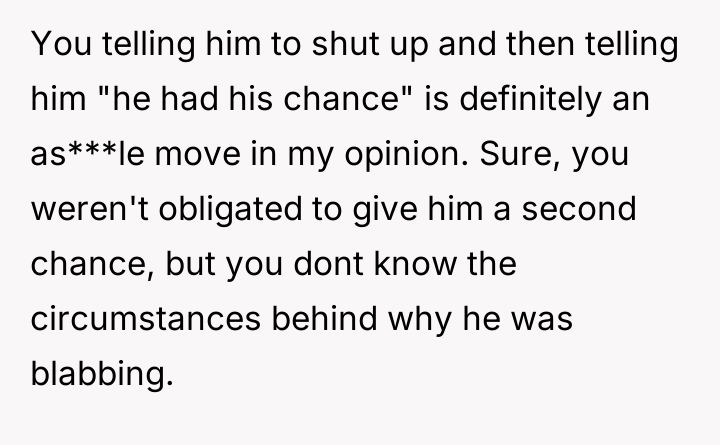
The OP is struggling with the conflict between maintaining professional standards during an interview and the strong negative emotional reaction caused by the candidate's overbearing behavior. While the candidate possessed the technical skills, his inability to listen demonstrated a critical flaw in professional conduct, leading the OP to deliver a very blunt rejection.
The central debate remains whether the OP was justified in immediately ending the process and delivering such a harsh assessment, or if they should have managed the candidate’s conversational style more gently, even if it meant sacrificing the immediate clarity of the feedback.