AITA? I reported my car missing after my husband took it to attend his brother's wedding.
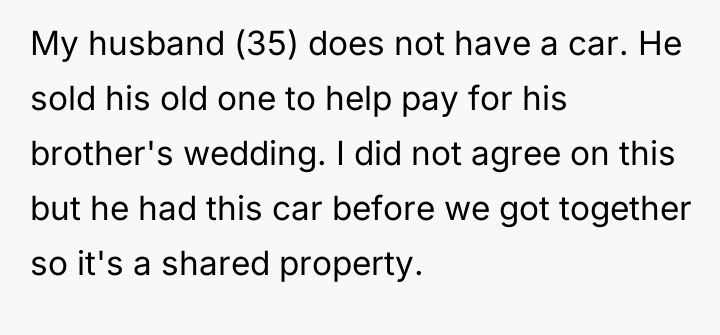
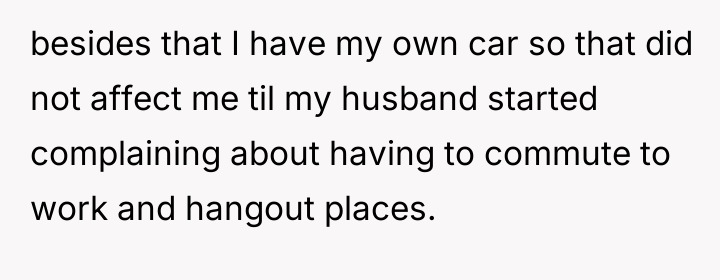
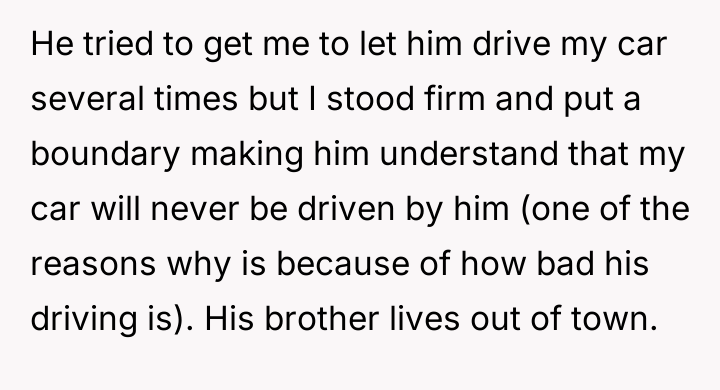
Boundaries, once drawn, define the fragile balance between love and respect in a marriage. She stood firm, protecting her space and possessions against her husband’s relentless demands, even as his frustration grew louder. The car was more than just a vehicle—it was a symbol of independence and control, a line she refused to let him cross despite the strain it caused between them.
Caught between loyalty to family and the limits of their relationship, her husband’s sacrifices went unseen, his frustration boiling over in desperate pleas and angry outbursts. Yet, in the quiet moments of defiance, she held onto her conviction, unwilling to let his impatience dictate the terms of their shared life. Their story is one of conflicting needs, where love is tested by the harsh reality of boundaries and unmet expectations.

Subscribe to Our Newsletter
As renowned researcher Dr. Brené Brown explains, “Boundaries are the distance at which I can love you and me simultaneously.”
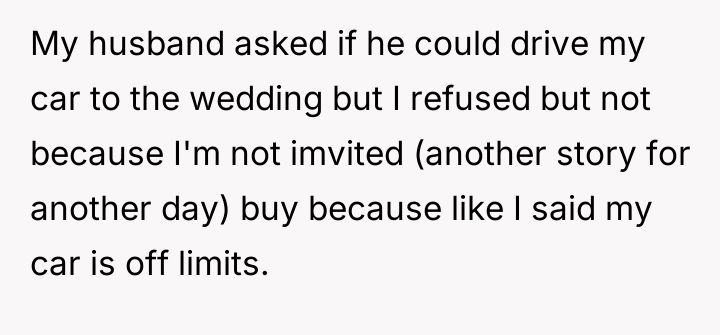
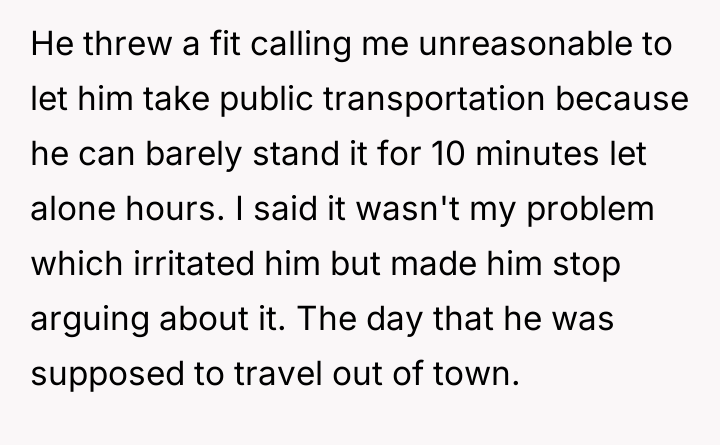
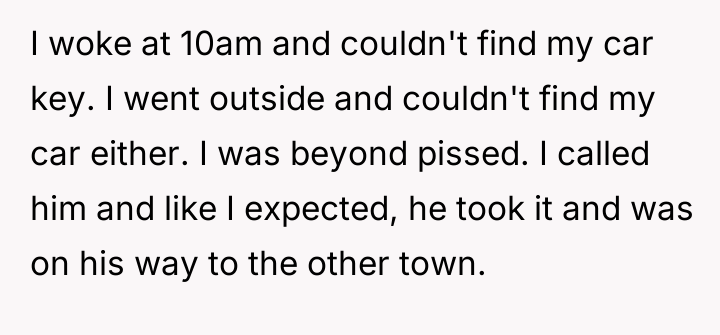
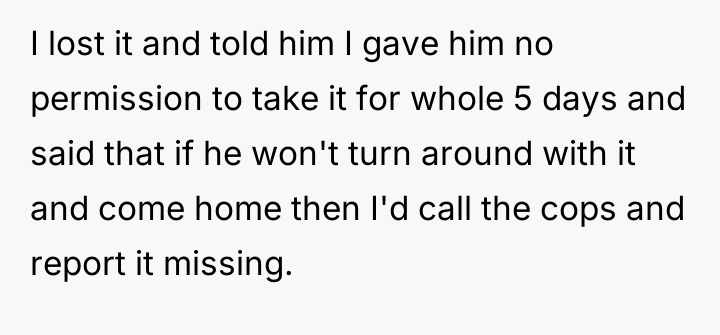
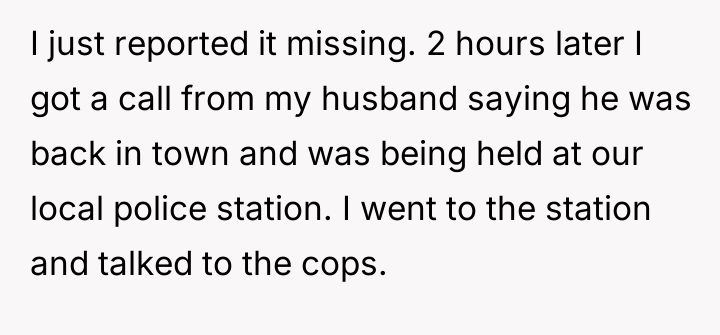
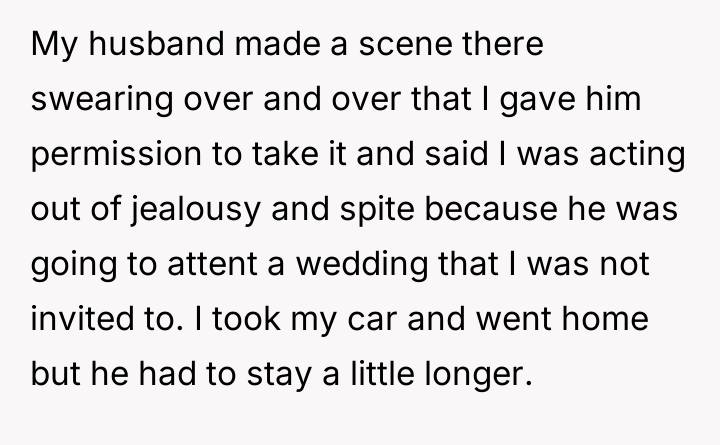
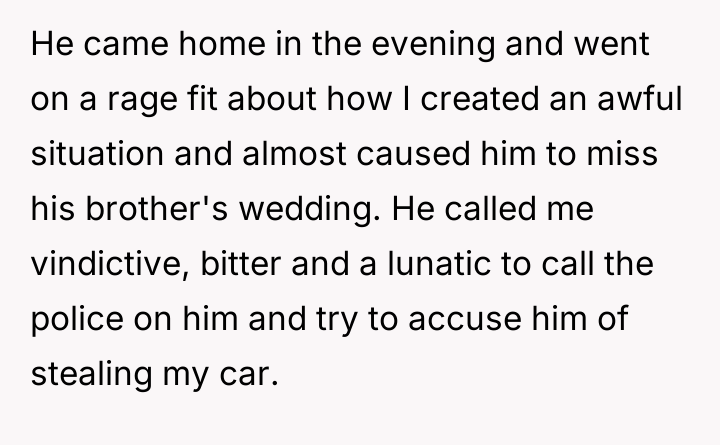
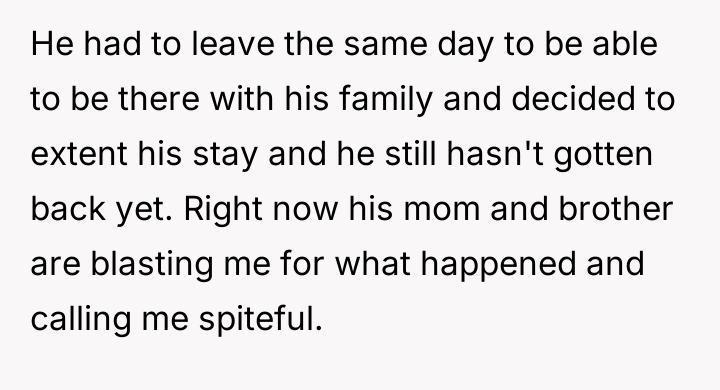
This situation clearly demonstrates a profound breakdown in mutual respect and boundary recognition. The OP set a clear boundary: her car was off-limits to her husband, largely due to concerns over his driving skills. While the husband's initial financial sacrifice (selling his car for his brother) suggests a pattern of prioritizing family over shared assets, his subsequent insistence on using the OP's personal property violates the principle of respecting individual assets within a partnership. The OP's refusal to allow him to use the car for the wedding was a firm boundary enforcement, which the husband chose to ignore by taking the car and keys unilaterally for a five-day period.
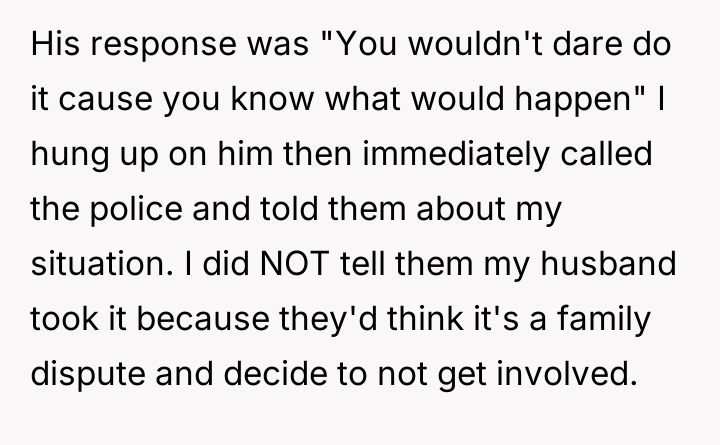
The husband’s action of taking the car and then threatening the OP with the phrase, "You wouldn't dare do it cause you know what would happen," constitutes coercive control and further validates the OP’s decision to escalate. Reporting the car as stolen (without mentioning the husband's involvement) was a drastic measure taken only after the boundary was violated and a veiled threat was issued. While reporting the car to the police was an overreaction in terms of relational damage, it was a direct consequence of the husband's unilateral decision to seize property and issue intimidation. Future conflict resolution should involve mediated communication to re-establish clear, enforceable rules about personal vs. shared property, rather than resorting to extreme measures when boundaries are challenged.
THIS STORY SHOOK THE INTERNET – AND REDDITORS DIDN’T HOLD BACK.:
It didn’t take long before the comment section turned into a battleground of strong opinions and even stronger emotions.
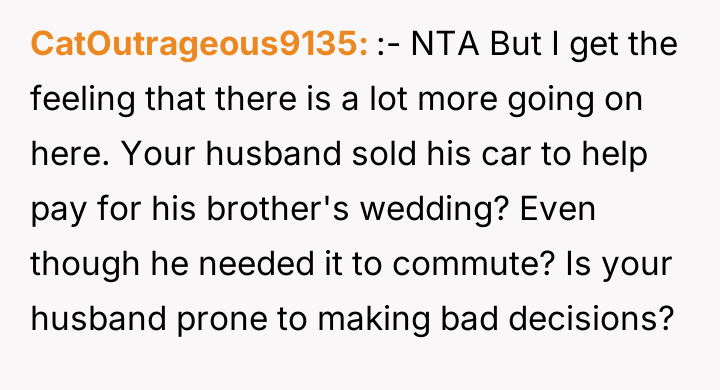
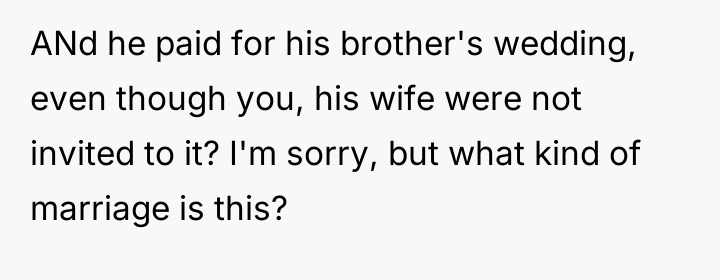

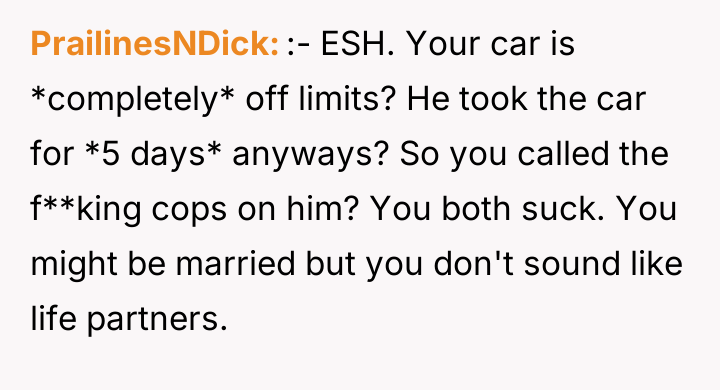
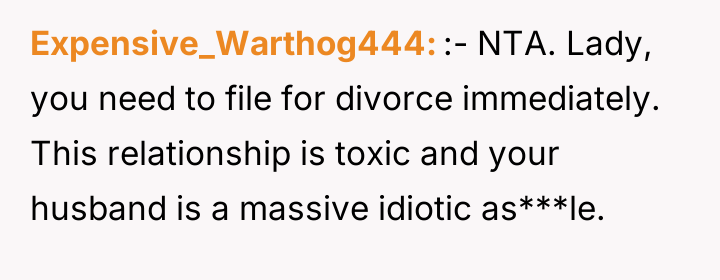
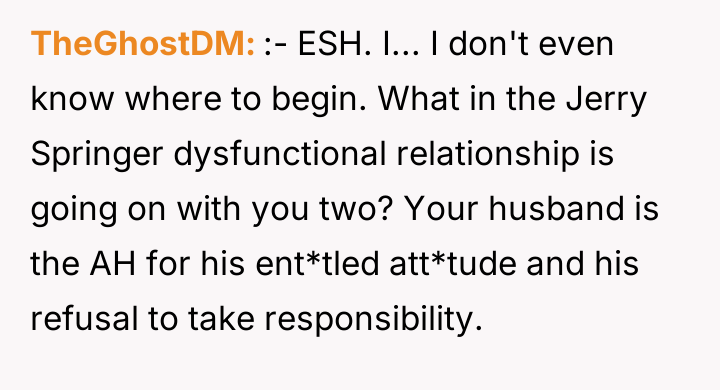
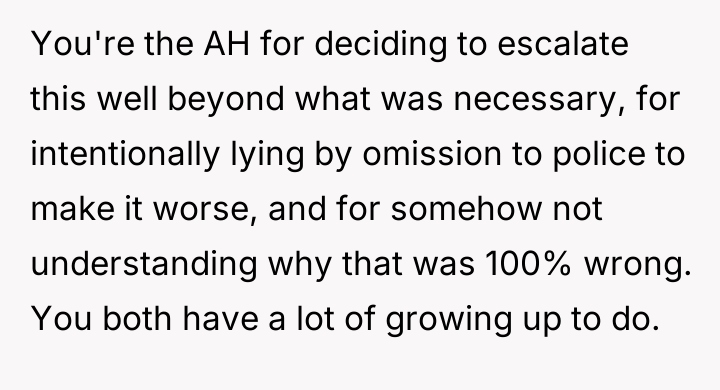
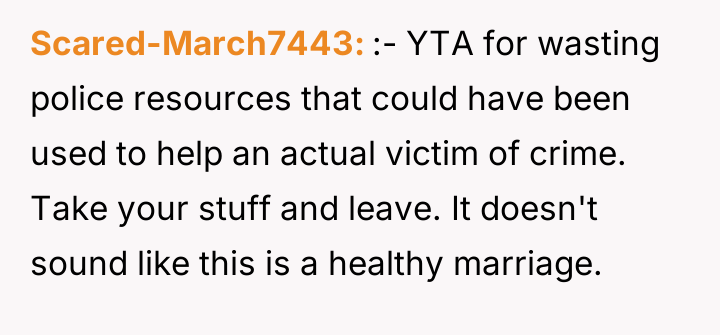
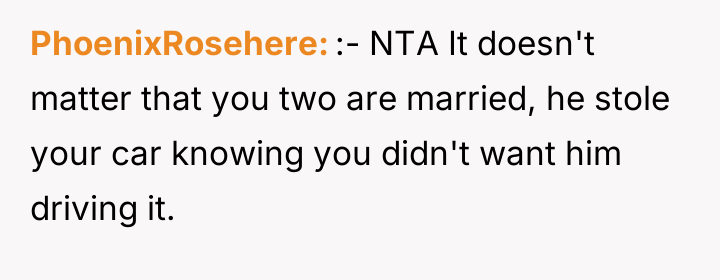
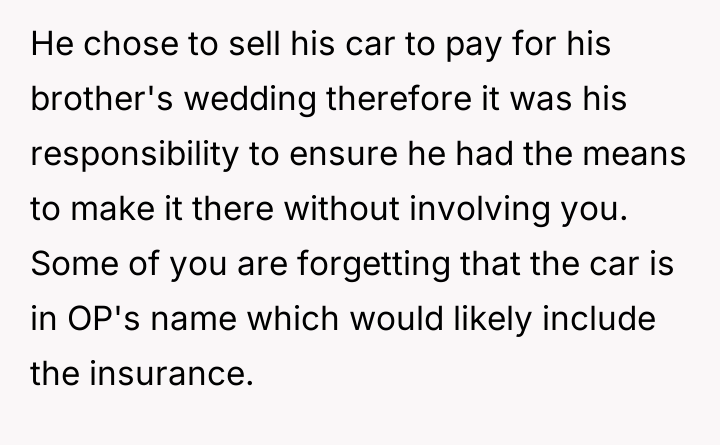
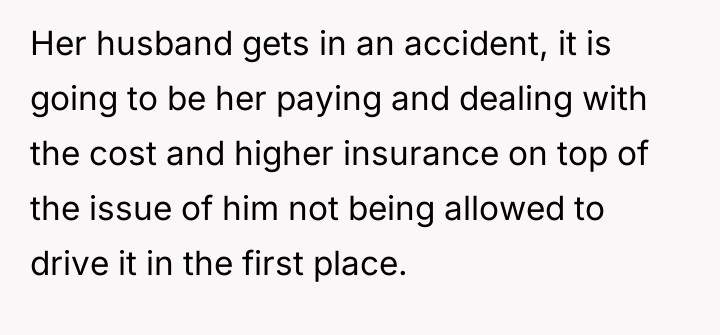
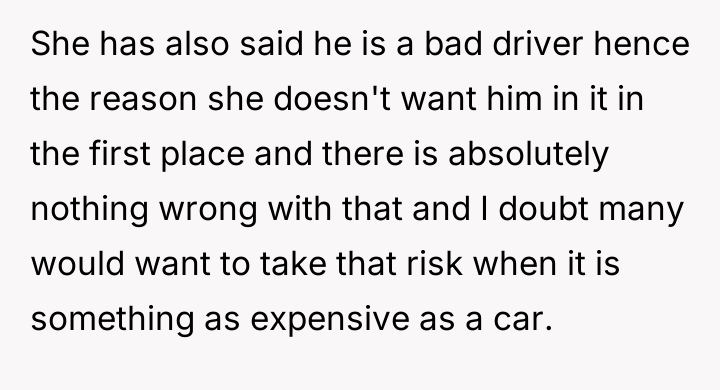
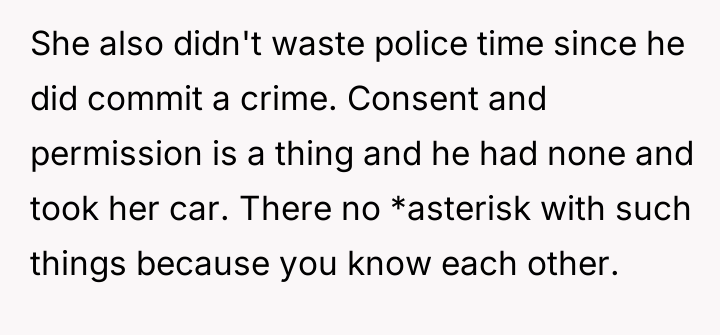
The original poster established a clear boundary regarding the use of her car, yet her husband violated this boundary by taking the vehicle without permission for an extended trip, leading to a severe escalation when she reported the car as missing. The central conflict rests on the husband's disregard for the established boundary versus the intense emotional distress and potential legal consequences he faced due to the OP's firm enforcement action.
When a personal boundary is deliberately crossed, is reporting the unauthorized use of property to the authorities a justified act of self-protection, or does the existing spousal relationship mandate a less severe, non-legal response, even when a prior agreement was broken?