AITA For demanding my fiancé and his mom to pay for a new wedding address?
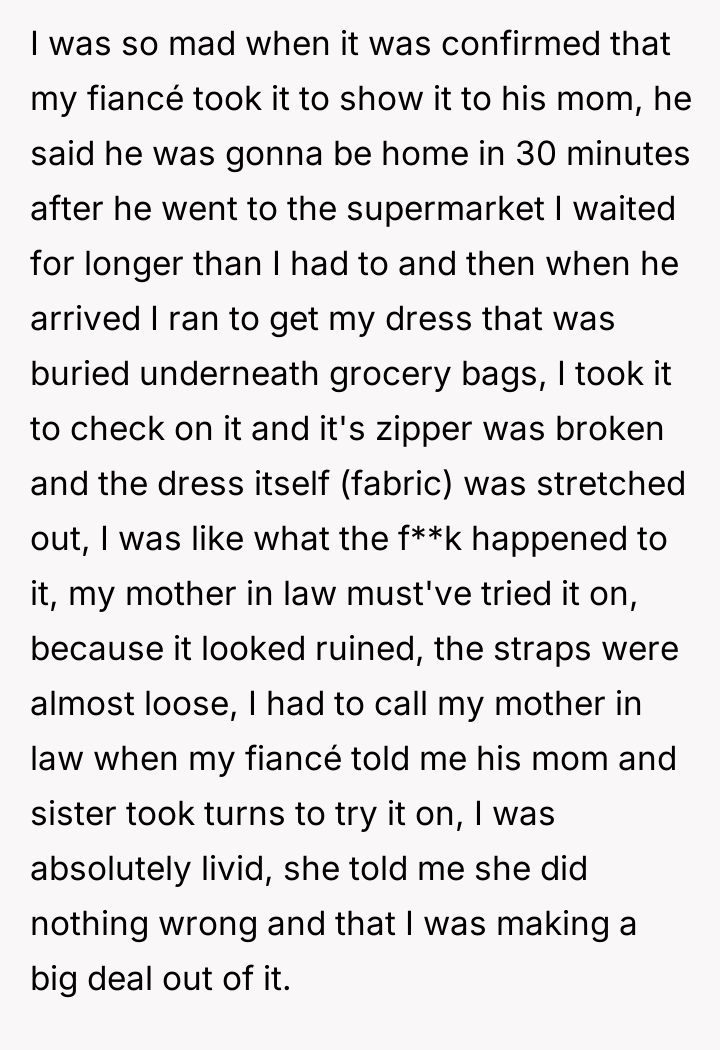
A young woman on the brink of one of life’s most joyful milestones faces an unexpected storm. After months of planning and navigating her future mother-in-law’s relentless interference, she finally finds the perfect wedding dress—a symbol of her dreams and hard work. But the moment she returns home, that symbol of hope vanishes without a trace, leaving her heart pounding with confusion and fear.
In the quiet of her apartment, the absence of both her fiancé and the cherished dress shatters her sense of security. What should be a time of celebration turns into a haunting silence filled with unspoken questions. The promise of a new beginning now feels uncertain, as she grapples with the mystery of what has been lost and what it means for her future.

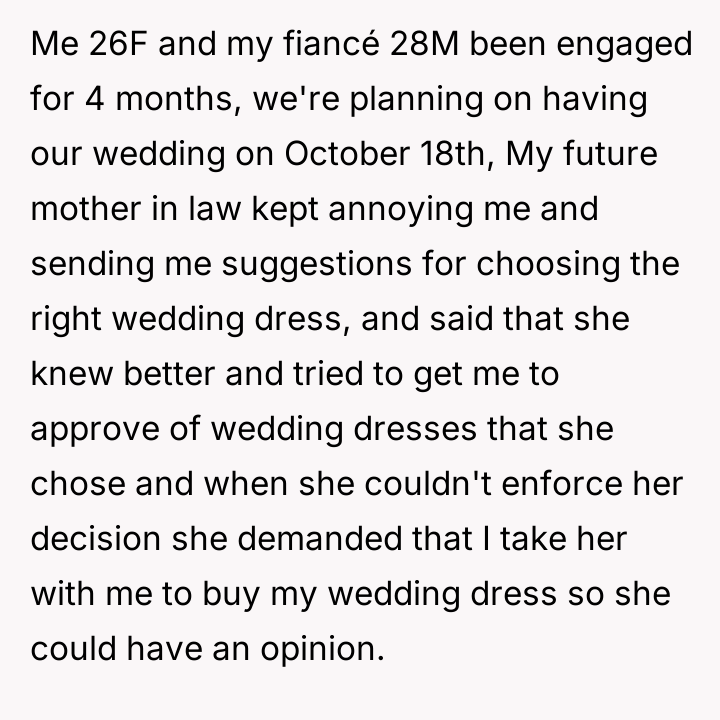
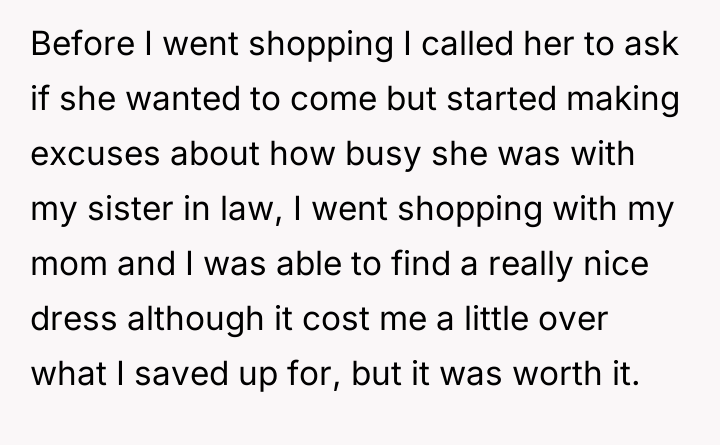
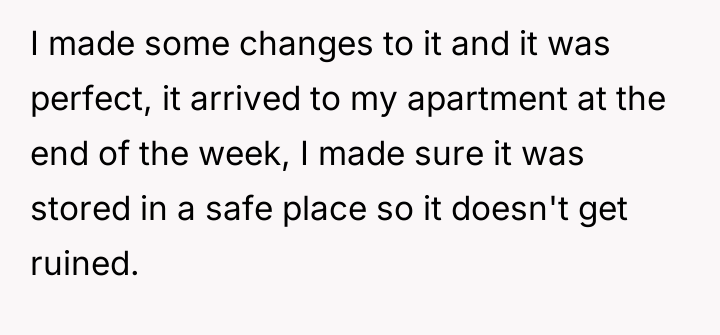
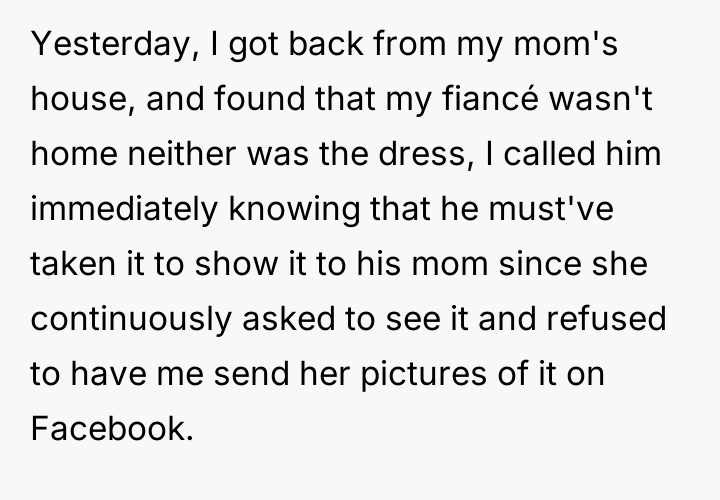

Subscribe to Our Newsletter
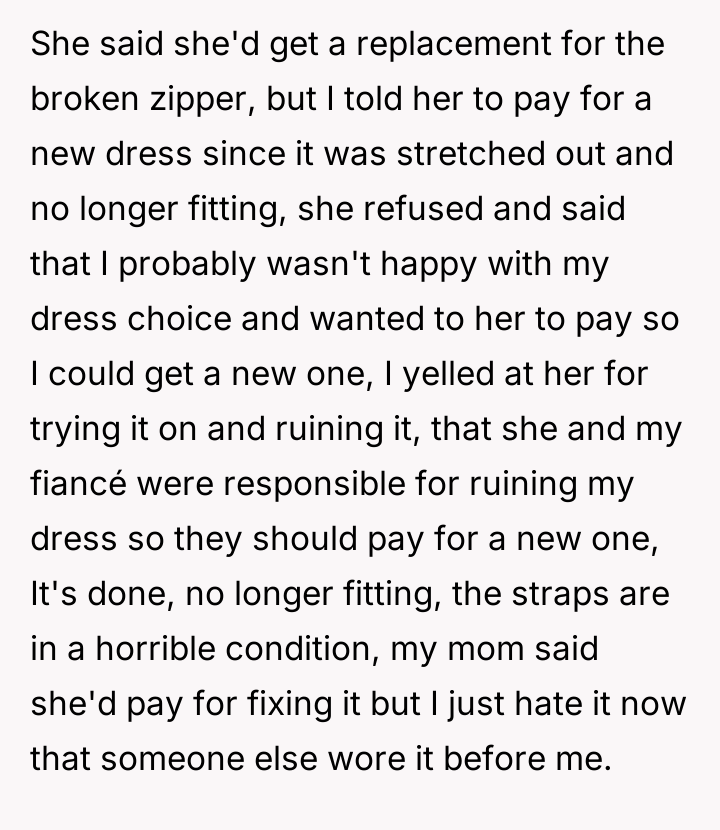
As renowned researcher Dr. Brené Brown explains, “Boundaries are the distance at which I can love you and me simultaneously.” This situation represents a profound failure of both internal and interpersonal boundaries. The OP clearly communicated her desire to control the wedding dress selection process, first by avoiding the mother-in-law's direct involvement and then by storing the dress safely. The fiancé undermined this boundary entirely by unilaterally taking the dress to his mother, effectively prioritizing his mother’s demands over his fiancée’s autonomy and feelings. The motivations here involve control and enmeshment. The mother-in-law exhibited controlling behavior regarding wedding decisions, a common dynamic in pre-wedding stress, but the fiancé's action elevates this from simple nagging to active complicity in a boundary violation. His failure to protect the OP's property and feelings is deeply damaging to the engagement's foundation. The OP's reaction—demanding replacement costs and considering postponing the wedding—is a natural, albeit extreme, response to feeling disrespected and betrayed by her partner. The OP's anger is justified as the dress is symbolic. While fixing the zipper might be possible, the emotional damage from another person wearing it is not easily repaired. Professionally, the fiancé's action was inappropriate and demonstrated a failure in partnership. For future conflict resolution, the OP and her fiancé must immediately address the trust deficit, perhaps with couples counseling, focusing on establishing non-negotiable areas of autonomy where the fiancé must act as a unified front with the OP against external pressure.
REDDIT USERS WERE STUNNED – YOU WON’T BELIEVE SOME OF THESE REACTIONS.:
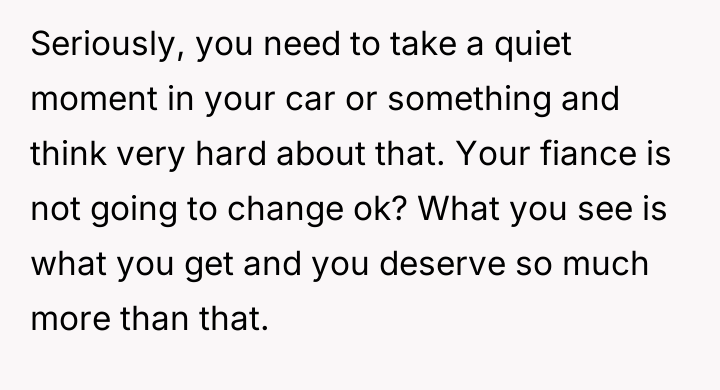
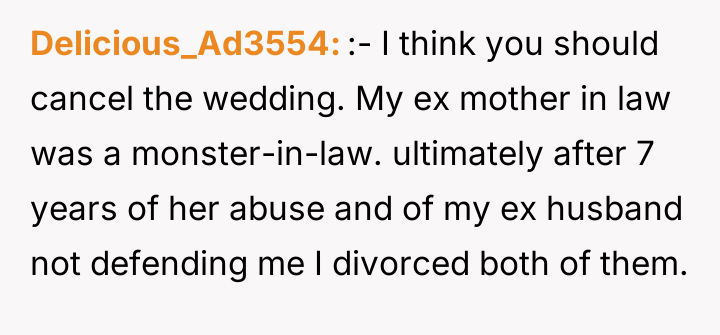
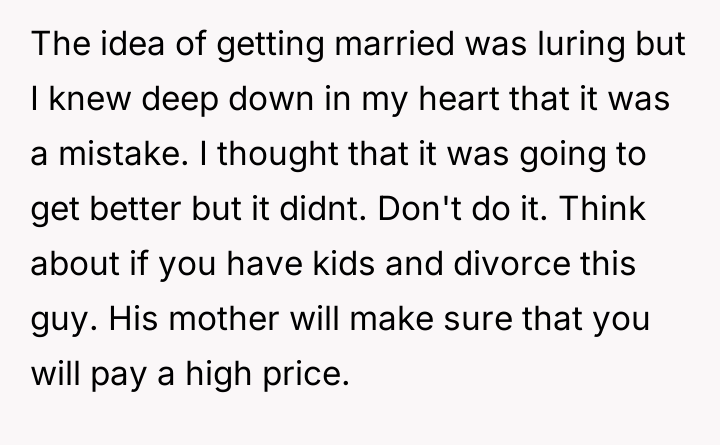
The thread exploded with reactions. Whether agreeing or disagreeing, everyone had something to say — and they said it loud.
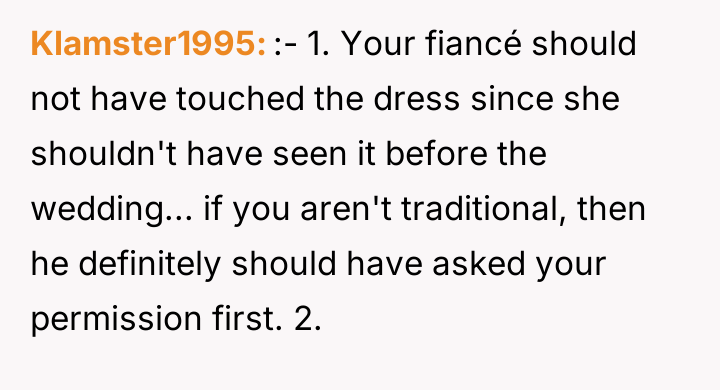
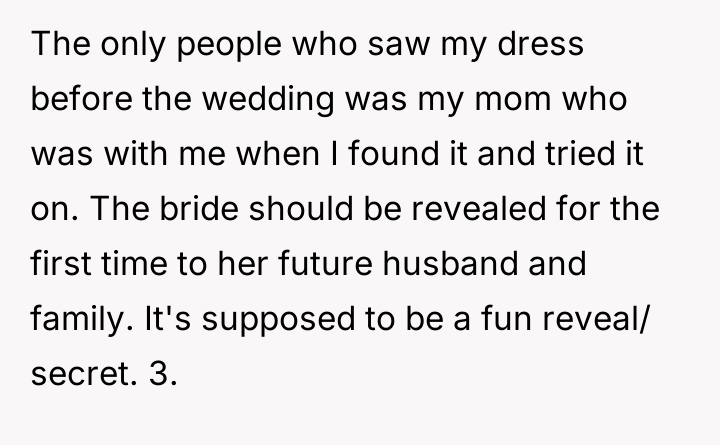
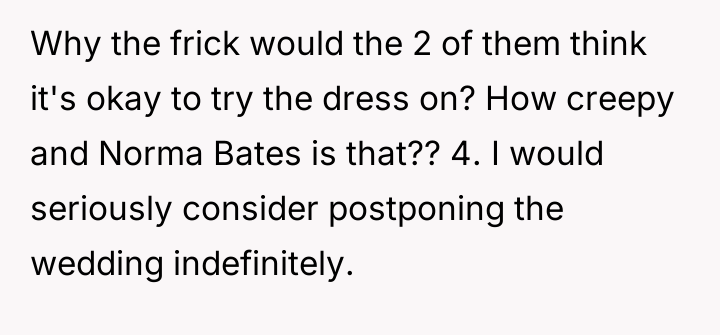
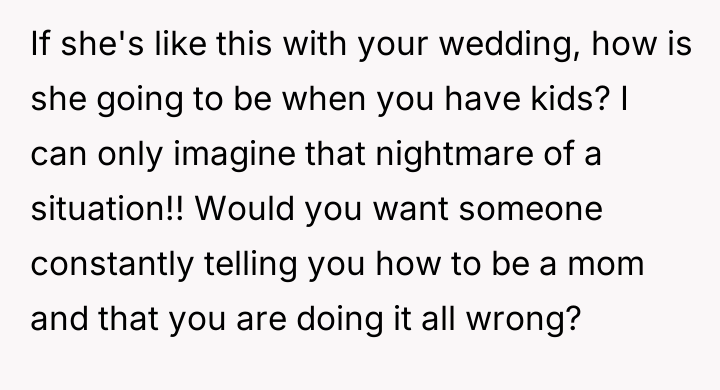


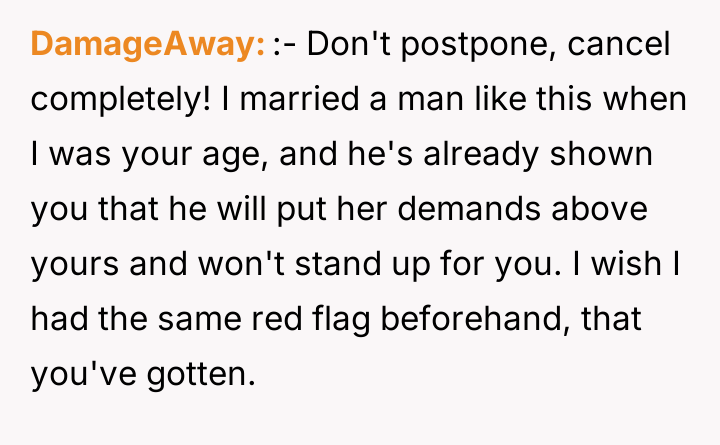


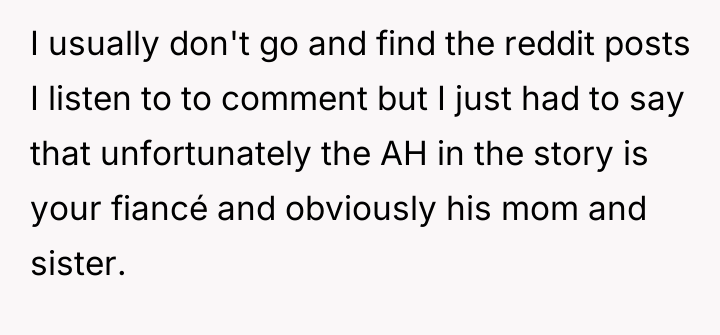
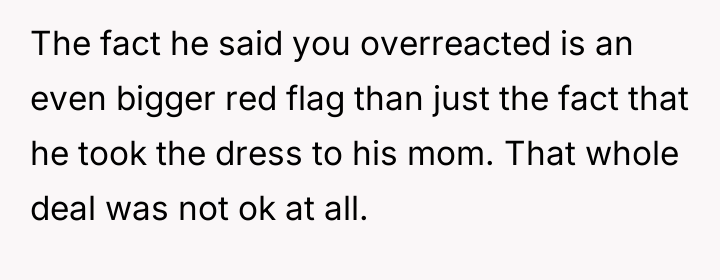
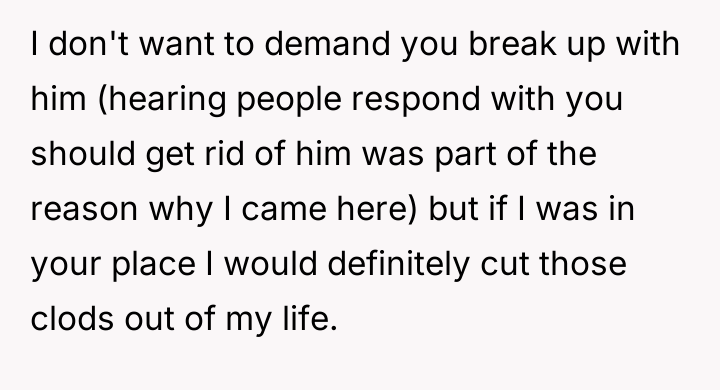
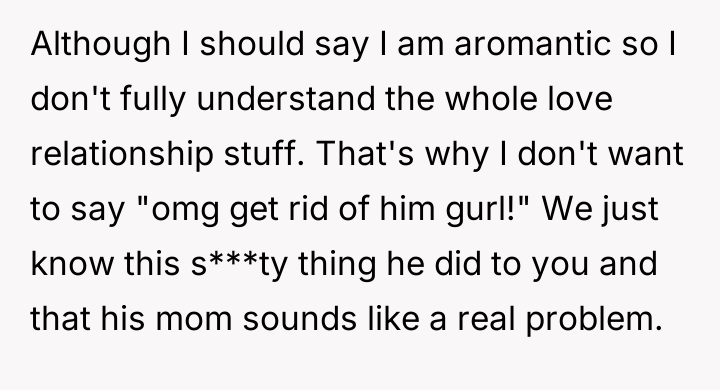
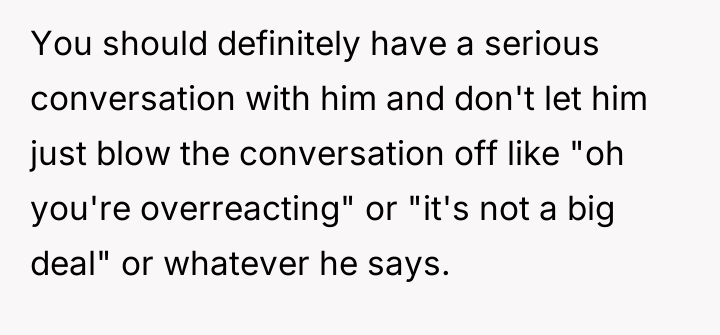
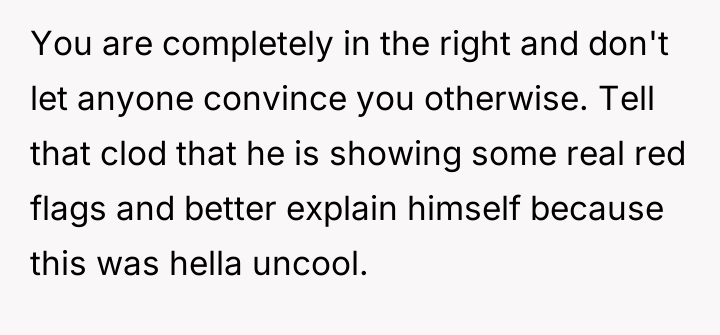


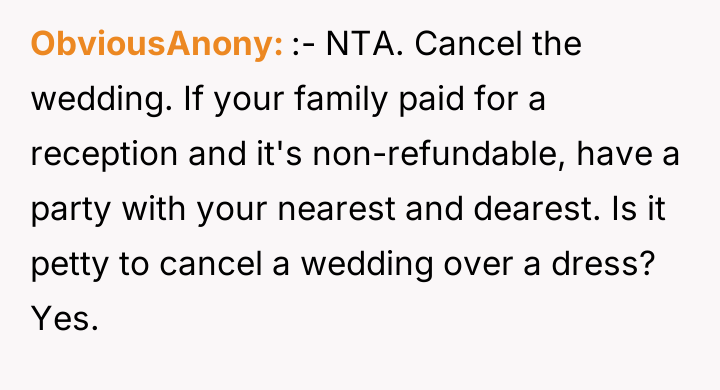
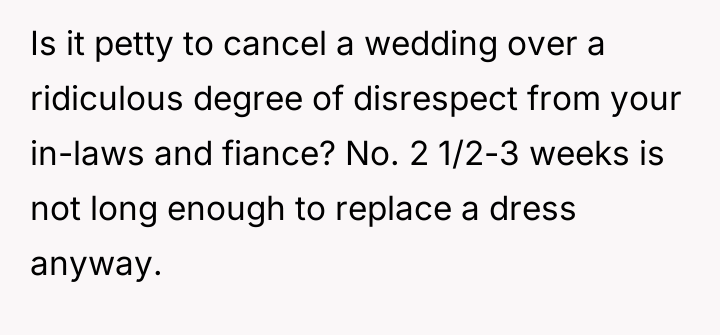
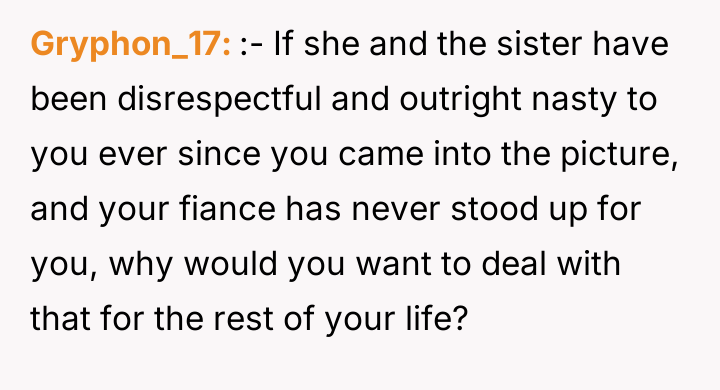

The original poster (OP) is facing a significant breach of trust and boundaries regarding a very personal item, her wedding dress. Her emotional distress stems from her fiancé enabling his mother to try on and subsequently damage the dress, directly contradicting the OP's stated wishes and expectations for the garment.
Given the violation of trust by both the fiancé and mother-in-law, and the physical damage to the dress, the central question remains: Is the fiancée's proposed solution (having the mother-in-law pay for a replacement) a fair resolution, or does the fiancé's complicity warrant a more serious re-evaluation of the wedding plans and the couple's future dynamic?