Update AITA for not allowing my friend to bring her service animal (guide dog) to my wedding?
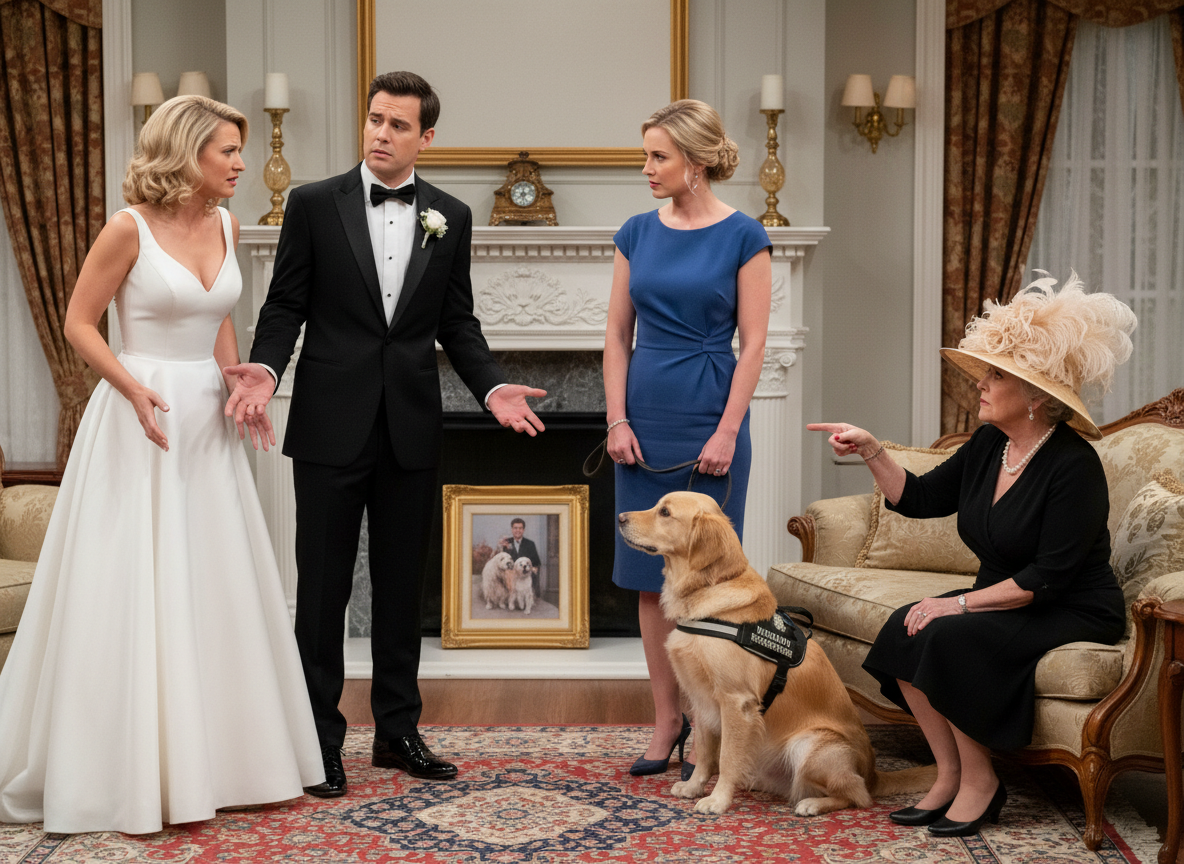
In the fragile dance between love and friendship, one bride faced a heartbreaking choice: to protect her health and happiness on her wedding day or to bend for a friend unwilling to compromise. Despite her earnest efforts to find common ground, the unyielding demand for a dog’s presence in the sacred ceremony forced her to accept a painful reality—some bonds cannot withstand the weight of uncompromising love.
As invitations were sent and plans reshaped, the bride’s heart bore the quiet sting of exclusion, knowing that sometimes, self-care means saying goodbye to those who refuse to understand. In this emotional crossroads, the celebration of new beginnings was shadowed by the loss of a friendship, a poignant reminder that true love sometimes means standing firm, even when it costs dearly.

Subscribe to Our Newsletter
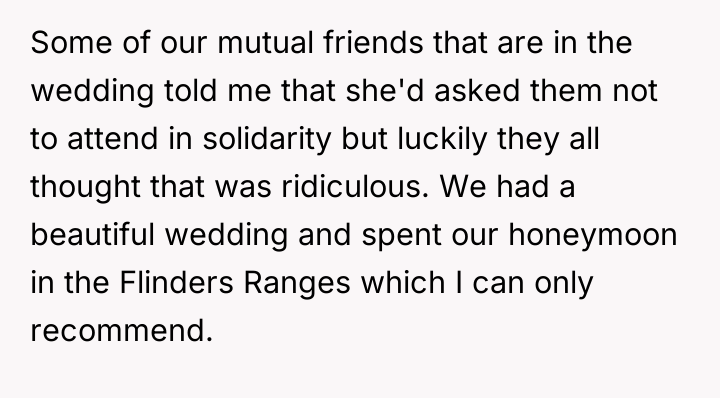
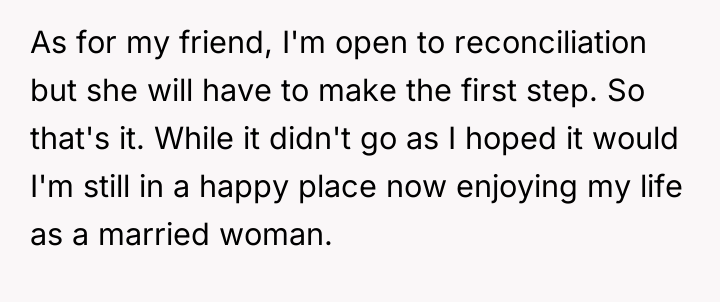
As renowned researcher Dr. Brené Brown explains, “Boundaries are the distance at which I can love you and me simultaneously.” The situation presented is a classic case study in boundary enforcement where one party's needs directly clash with another's demands. The OP recognized the severity of their allergies and communicated this boundary clearly after receiving prior advice. The friend, however, treated the dog's presence not as a request but as a fundamental condition for attendance, effectively refusing to engage in collaborative problem-solving. This rigidity suggests a potential prioritization of the friend's comfort or attachment to the pet over the OP's physical health and the significance of the wedding event itself. The OP's subsequent decision to proceed without the friend, while painful, was an appropriate defense of self-care when the other party refused to respect the established limits. The friend's attempt to rally mutual friends in solidarity further indicates a reaction based on entitlement or an inability to accept the boundary. Moving forward, the OP's stance that the friend must make the first move toward reconciliation is psychologically sound, as it places the responsibility for repairing the breach on the party who failed to respect the initial boundary. For future situations, the OP handled the communication about the boundary well, but they could perhaps preemptively suggest alternative ways to celebrate with the friend post-wedding (e.g., meeting in a neutral, pet-free environment) to show that the rejection was specific to the event, not the entire relationship, should they wish to soften the ensuing silence.
AFTER THIS STORY DROPPED, REDDIT WENT INTO MELTDOWN MODE – CHECK OUT WHAT PEOPLE SAID.:
The crowd poured into the comments, bringing a blend of heated opinions, solid advice, and a few reality checks along the way.
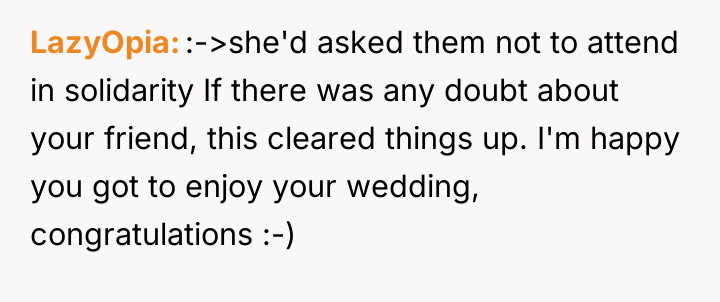
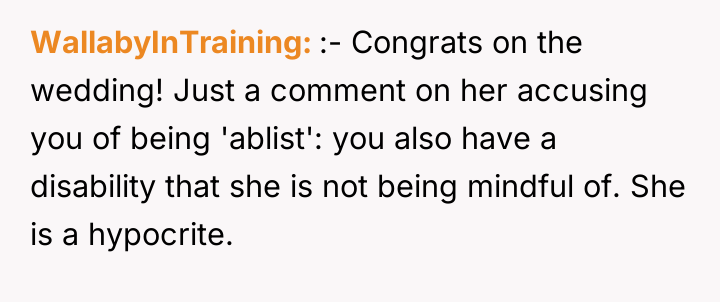
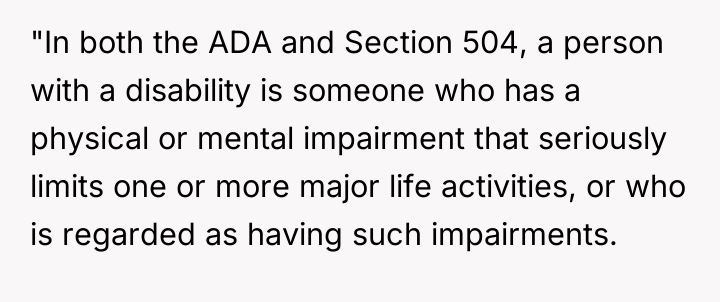
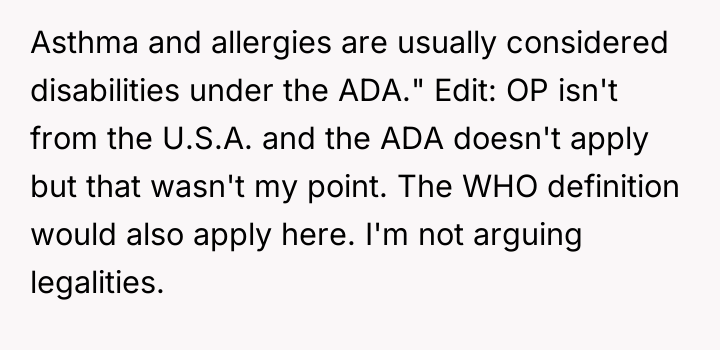


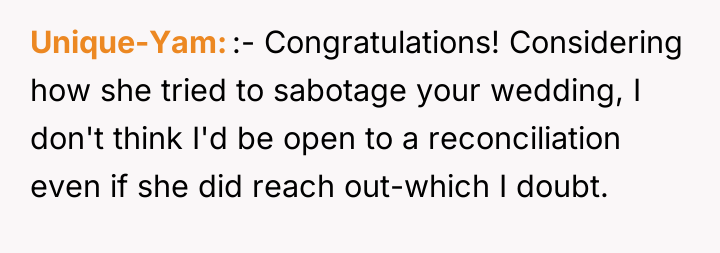
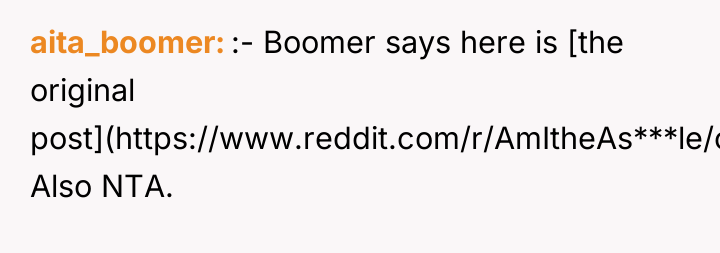
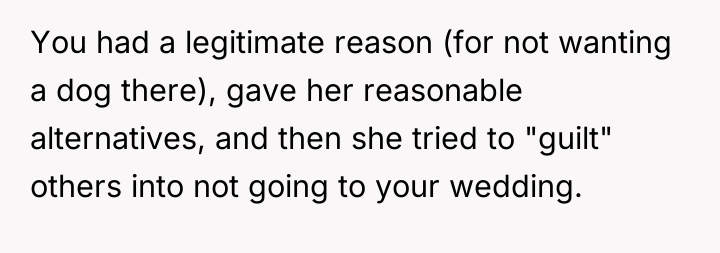
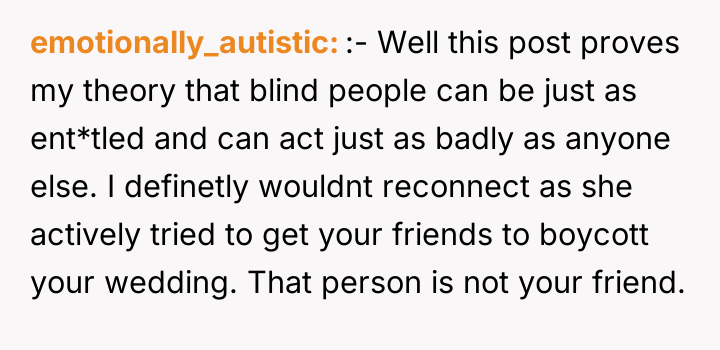
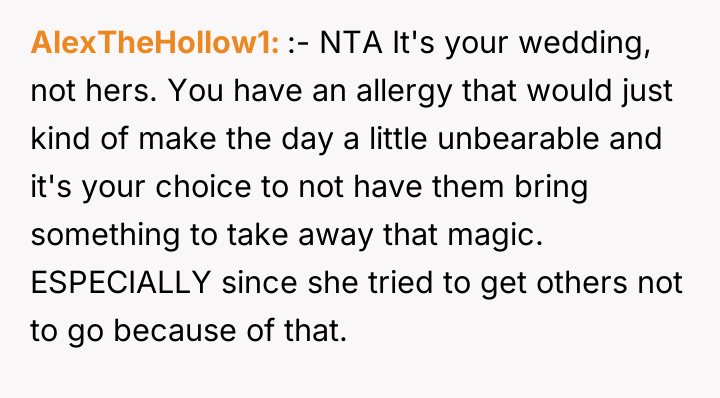
The original poster (OP) prioritized their health and wedding experience by establishing a firm boundary regarding their severe allergies, which conflicted directly with their friend's insistence on bringing a dog. Although the OP successfully navigated the wedding day happily, the initial friendship required a major shift, leading to the friend's absence and a current standoff where reconciliation depends on the friend initiating contact.
Given the clear conflict between the OP's necessary health requirements and the friend's non-negotiable demand regarding the dog, was the OP justified in excluding the friend from the wedding to protect their well-being, or did this action permanently damage a significant relationship over a single event?