AITA telling my co worker that I will report him after he announced my pregnancy during lunchbreak?
After four years of building trust and camaraderie at her workplace, she finally felt secure in her relationships with her coworkers, especially Austin, the friendly and adaptable colleague who always brought lightness to their conversations. Yet beneath the surface of everyday interactions, she held a deeply personal secret—her pregnancy known only to her husband, a fragile new chapter she wasn’t ready to share with the world.
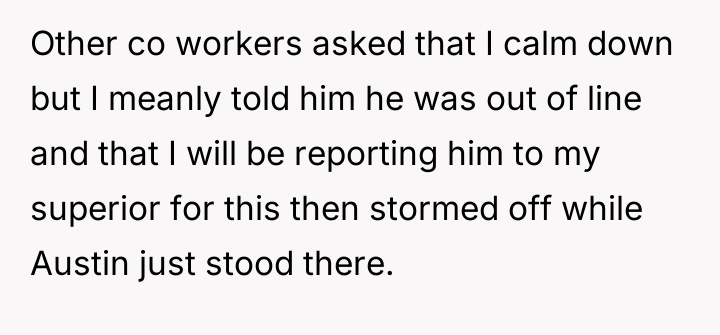
Then, in an instant, everything unraveled. Austin’s unexpected announcement in front of everyone shattered her carefully guarded privacy, leaving her stunned and vulnerable amidst a flood of congratulations and unsolicited advice. The profound violation of trust cut deeper than words, transforming what should have been a joyous moment into a haunting reminder of how quickly control can slip away.



Subscribe to Our Newsletter
As renowned researcher Dr. Brené Brown explains, “Boundaries are the distance at which I can love you and me simultaneously.” This situation powerfully illustrates a severe breach of relational boundaries set by the OP regarding highly sensitive personal health information.
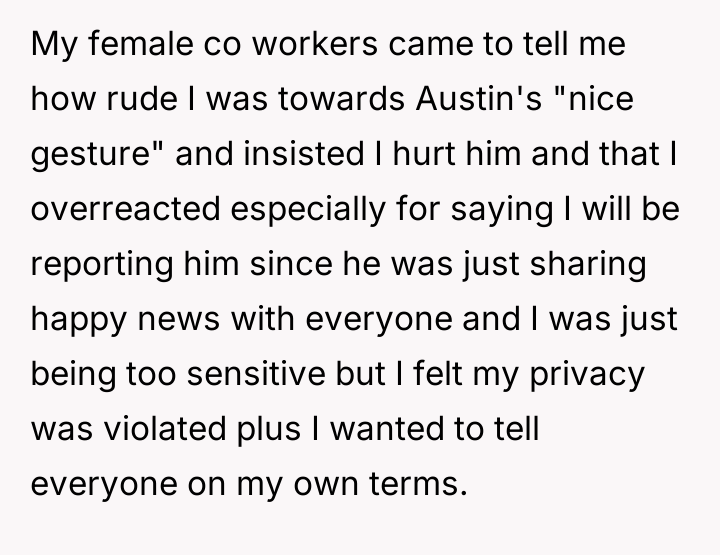
Austin’s motivation, described as sharing "our joy," suggests a conflation of shared knowledge with shared ownership of the information. The OP was operating under the assumption of privacy and confidentiality, particularly since she had not yet shared the news with close family or friends. Sharing a private medical result seen in a personal space (the car dashboard) is a significant invasion of privacy, regardless of the perceived positive nature of the news. The OP's shock and subsequent anger were natural responses to the loss of control over her narrative and the public exposure of deeply personal facts. The negative reaction from other female coworkers indicates a cultural dynamic where emotional labor and deference to perceived 'nice gestures' may override respect for individual autonomy and privacy in the workplace.
The OP's reaction, though emotionally intense, was appropriate in its defense of a fundamental boundary violation. However, escalating immediately to a formal report might complicate the workplace relationship further. A constructive recommendation would be for the OP to first communicate the seriousness of the boundary violation directly to Austin in a private, calm setting, explaining that seeing the test result was a breach of trust, separate from the news itself. If that fails to yield adequate acknowledgment, then proceeding with HR or a supervisor regarding the inappropriate disclosure of private information in the workplace would be the next appropriate step.
THIS STORY SHOOK THE INTERNET – AND REDDITORS DIDN’T HOLD BACK.:
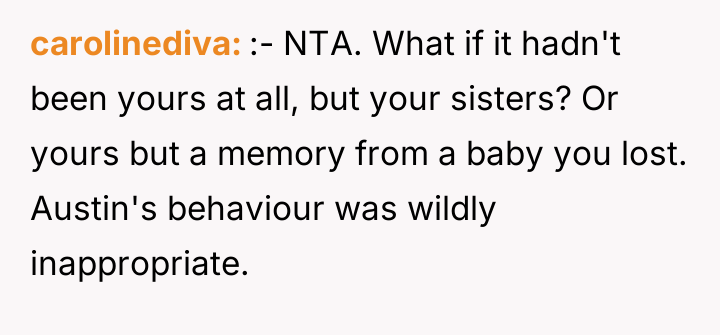
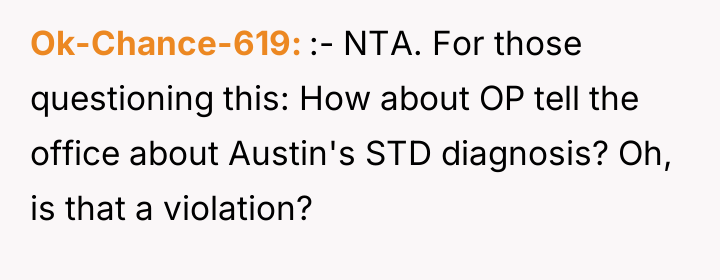
The community had thoughts — lots of them. From tough love to thoughtful advice, the comment section didn’t disappoint.
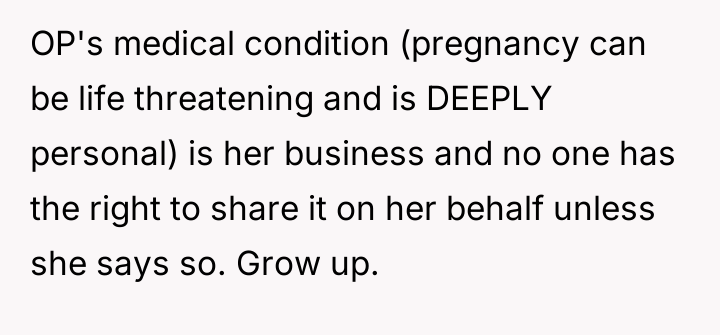
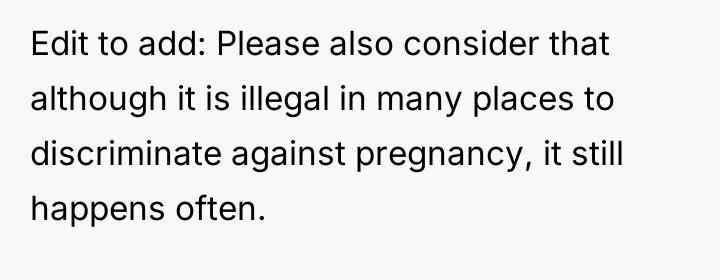
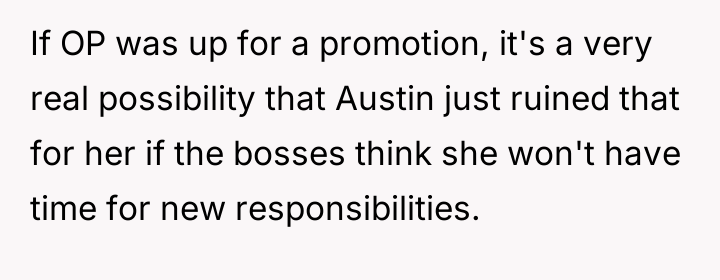


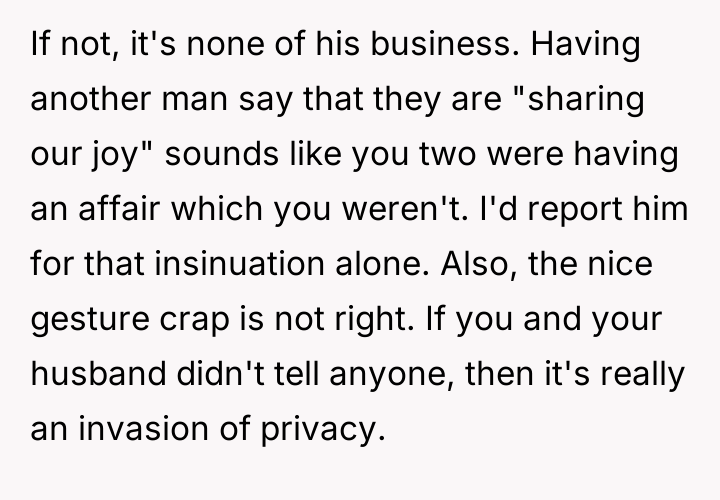

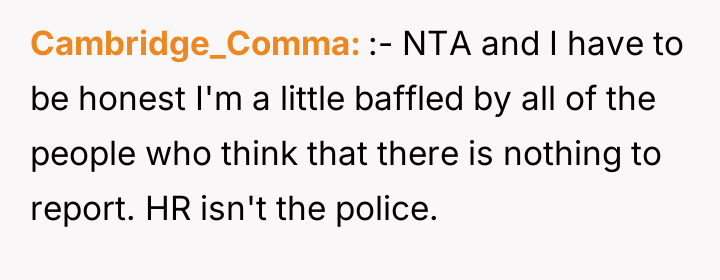
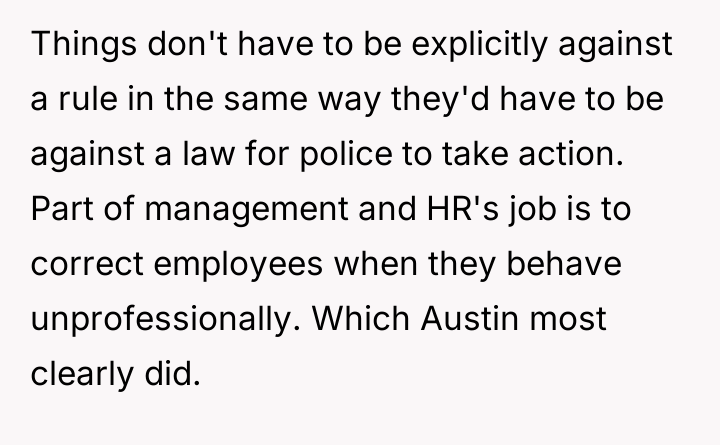
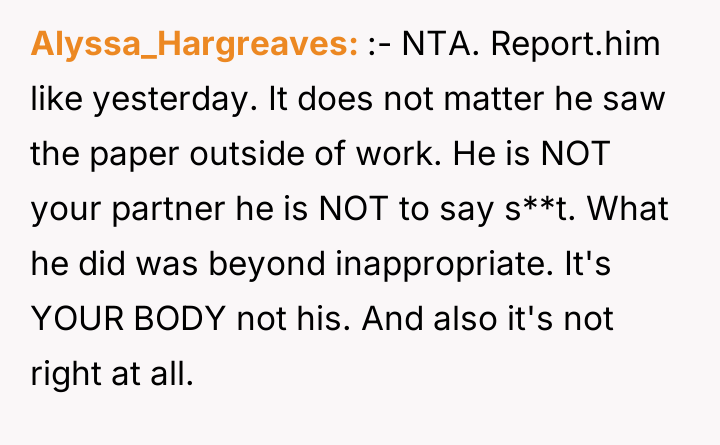

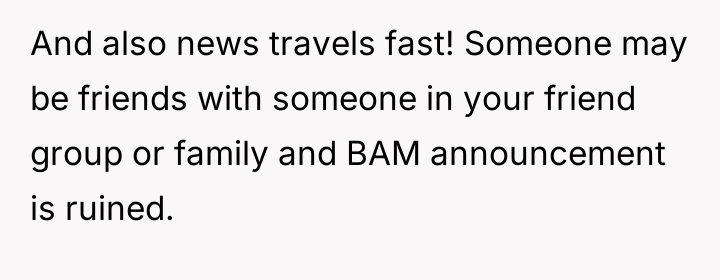
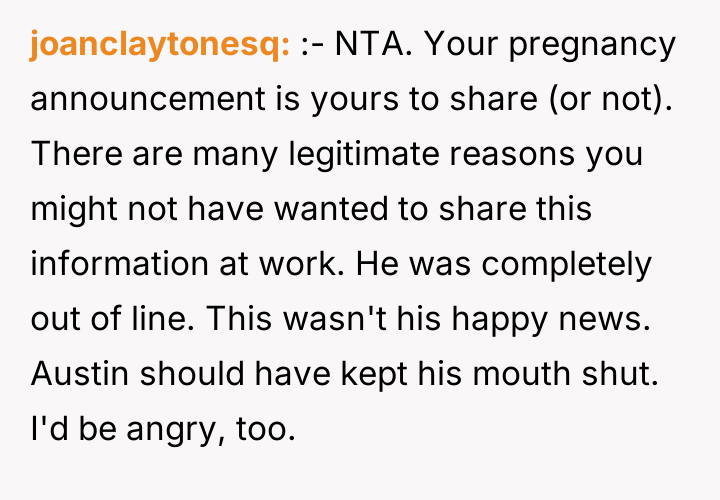
The original poster (OP) is facing a conflict between her deeply personal decision to keep her pregnancy private and her coworker Austin's decision to publicly announce the news based on information he obtained during a private interaction. The OP reacted with anger, asserting her right to privacy, while several coworkers minimized her reaction, framing Austin's action as a well-intentioned gesture.
Was the OP justified in her strong negative reaction and her intent to report the privacy breach, or did her coworker's public announcement constitute an overreaction to what others perceived as sharing happy news? Should personal medical facts shared in confidence be treated as public information once a third party becomes aware of them?