AITA For kicking my brother in law out and reporting my ther***st?
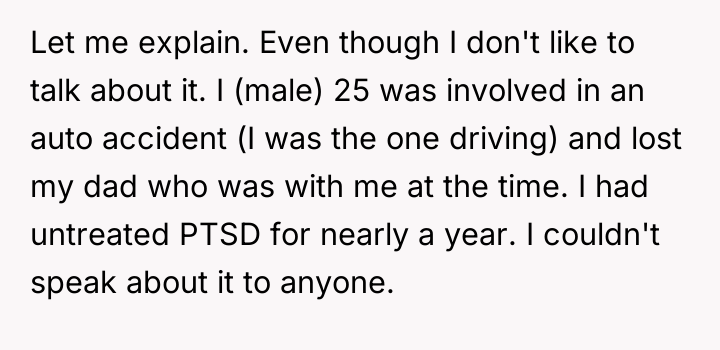
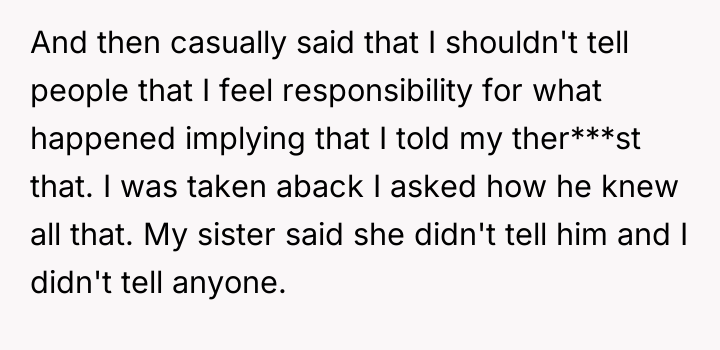
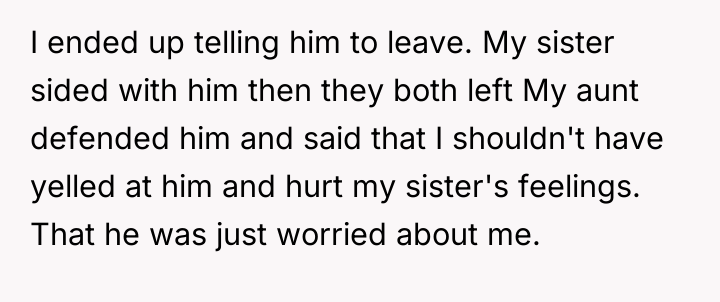
Haunted by a tragedy that shattered his world, a young man grapples silently with the invisible scars left by a devastating car accident that claimed his father’s life. For nearly a year, he bore the weight of untreated PTSD alone, unable to speak the words that might ease his pain, until his sister’s unwavering support led him to seek the help he desperately needed.
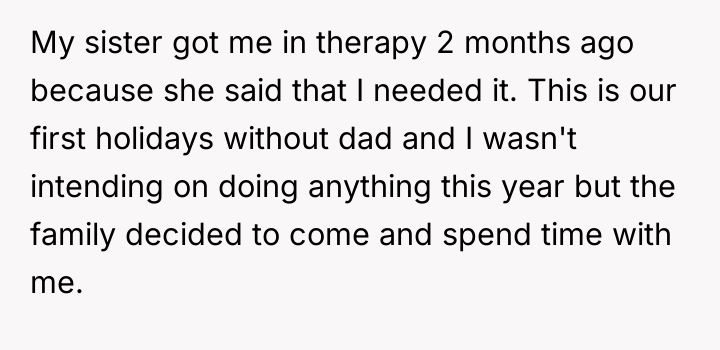
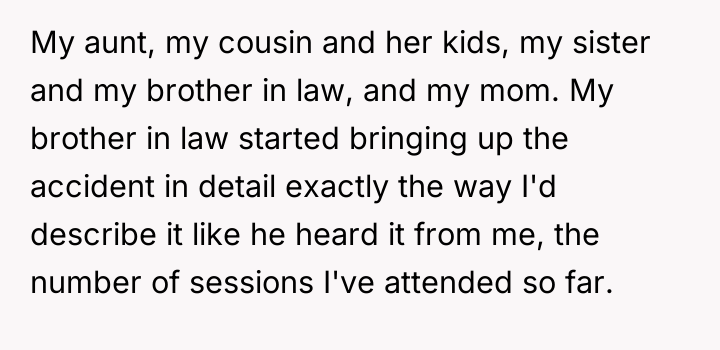
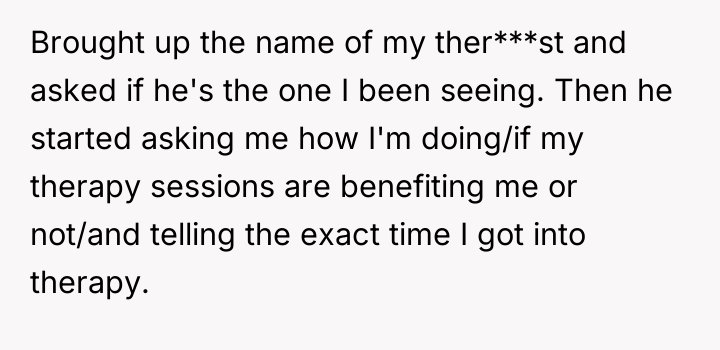
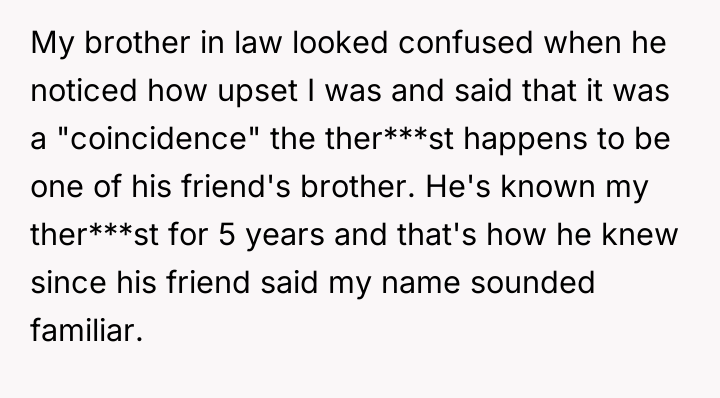
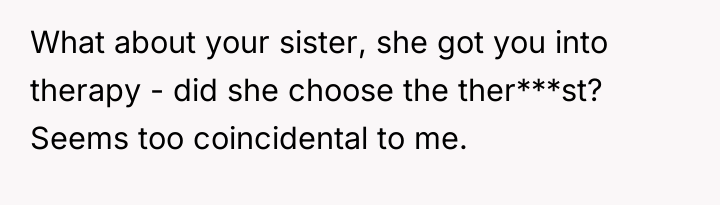
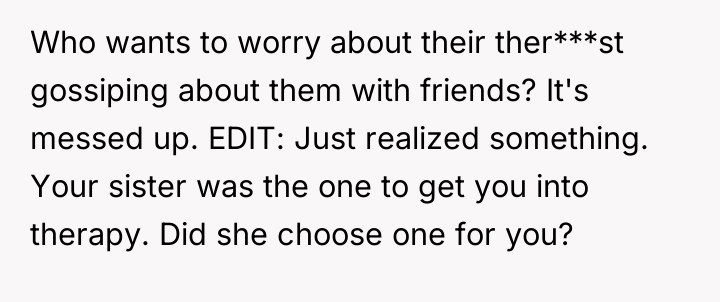
As the first holiday without his dad unfolds, surrounded by family who came to offer comfort, the fragile veil of healing is threatened. His brother-in-law’s probing questions and unsettling knowledge of his therapy sessions pierce the fragile progress he’s made, dredging up feelings of guilt and vulnerability that he thought were locked away, challenging the very path to recovery he’s just begun to walk.


Subscribe to Our Newsletter
As renowned psychologist Dr. Carl Rogers explains, “The only person who is educated is the one who has learned how to learn, the one who has learned how to adapt and change, the one who has realized that knowledge is something that is never fixed.”
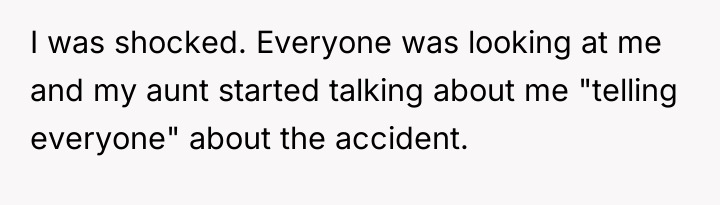
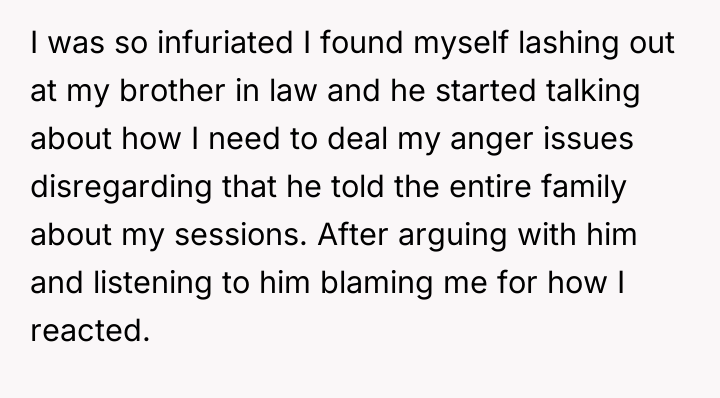
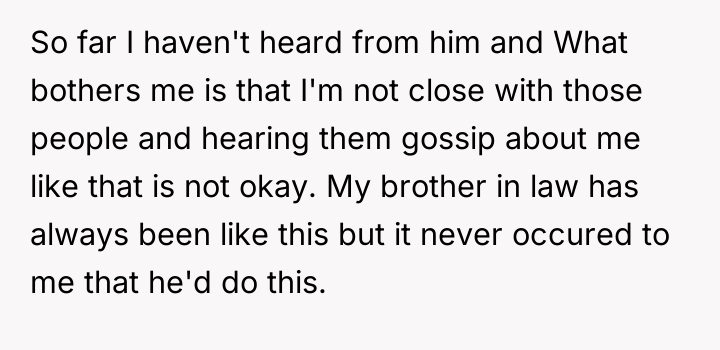
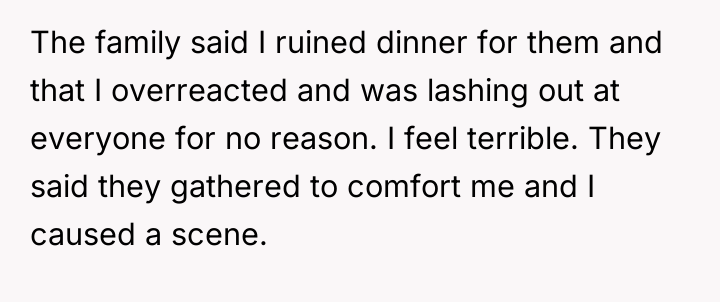
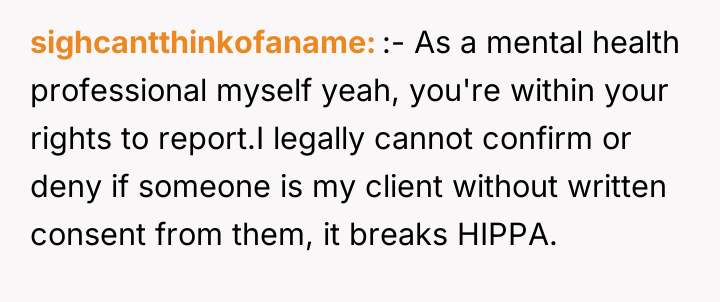
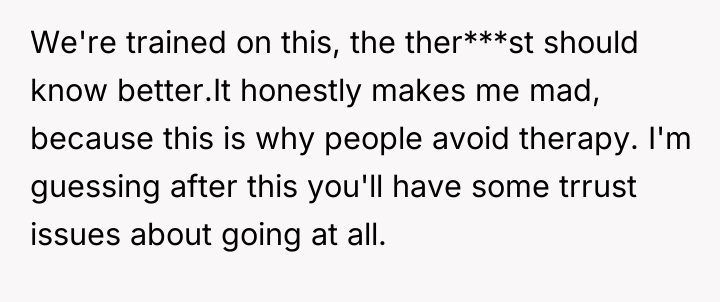
The situation described centers on a profound violation of privacy and the boundaries surrounding mental health treatment. The brother-in-law’s actions—disclosing specific details about the OP’s therapy sessions, including the therapist's identity and session frequency—are a significant ethical breach, regardless of how he obtained the information. The OP’s shock and anger were direct, appropriate responses to having his vulnerability exploited. The family's subsequent reaction, shifting blame onto the OP for his anger and accusing him of ruining the dinner, demonstrates a failure to prioritize his emotional safety and validate his experience of betrayal. This deflection indicates a pattern where the family prioritizes maintaining superficial harmony over addressing the actual cause of conflict.
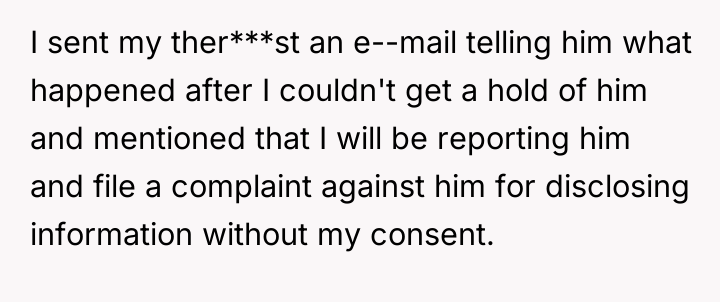
The OP’s immediate action to contact his therapist and initiate a report regarding potential confidentiality breaches is professionally sound, as protecting patient confidentiality is paramount in clinical practice. While the family claims they gathered to comfort him, their approach was invasive. A constructive recommendation for the OP in future interactions would be to clearly and calmly establish firm boundaries regarding his treatment upfront, stating, "My therapy is private, and I will not discuss details with anyone." If boundaries are crossed again, addressing the specific transgression directly, rather than immediately escalating to ejection, might offer a path toward clearer long-term communication, although the severity of this initial breach strongly supports the OP's current frustration.
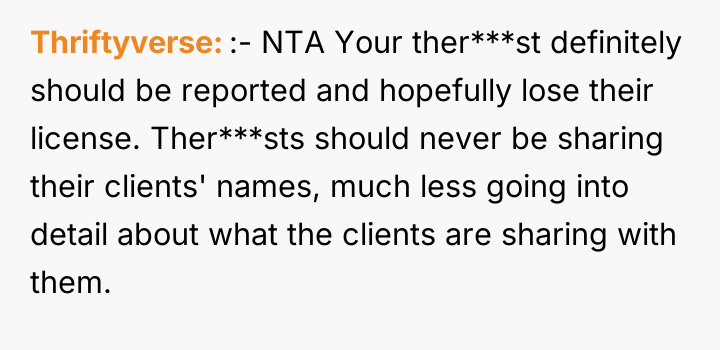
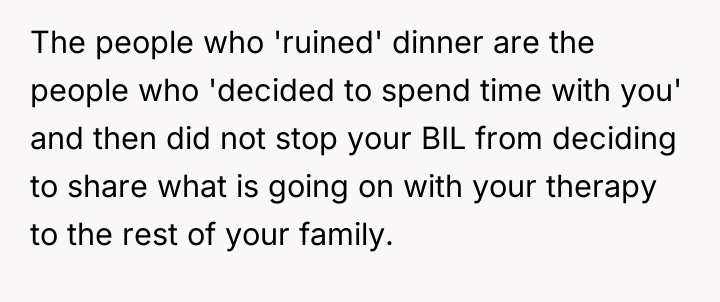
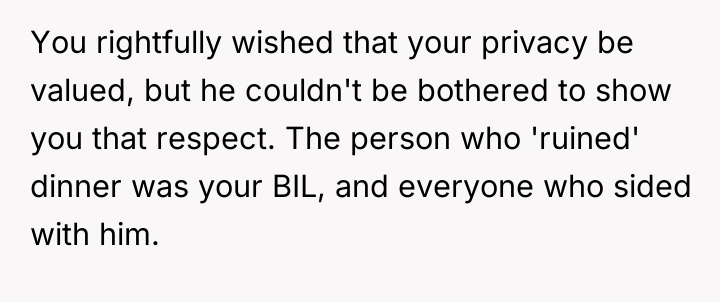
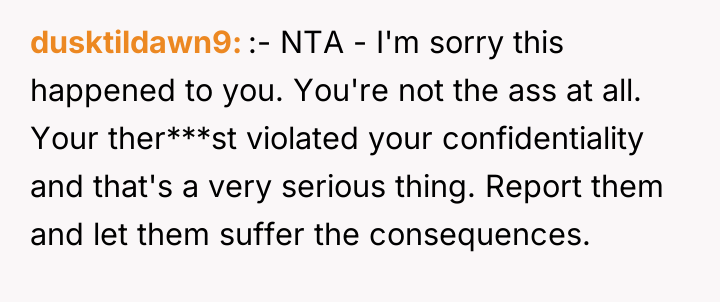
REDDIT USERS WERE STUNNED – YOU WON’T BELIEVE SOME OF THESE REACTIONS.:
When users weighed in, they held nothing back. It’s a raw, honest look at what people really think.

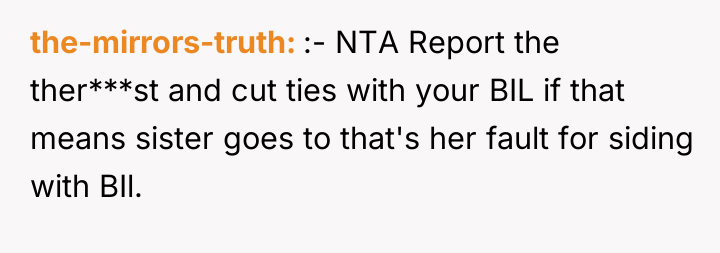
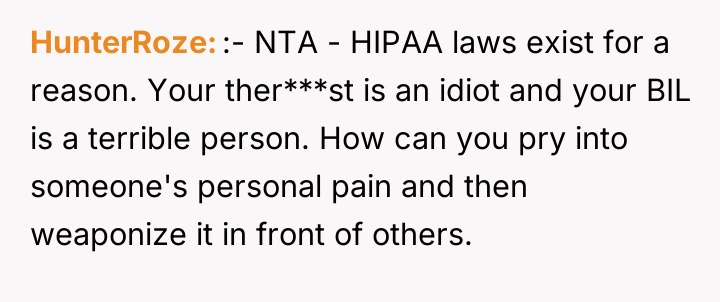


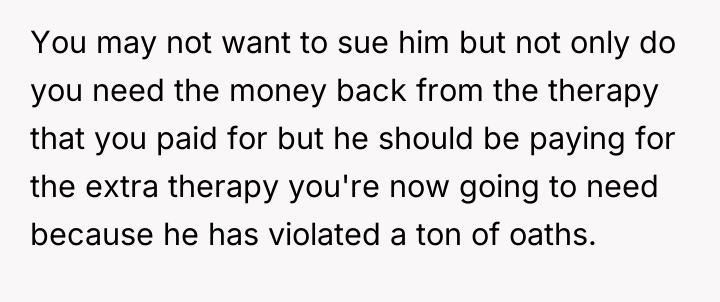
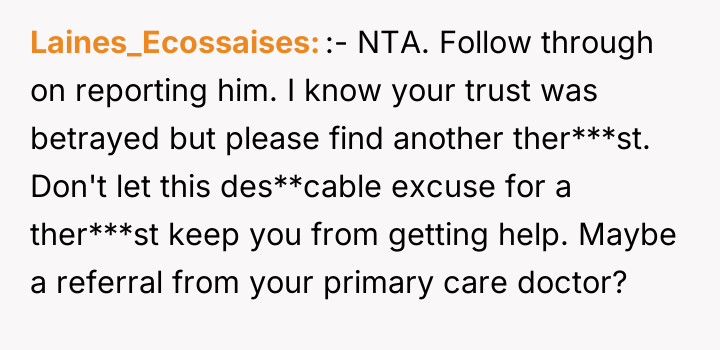
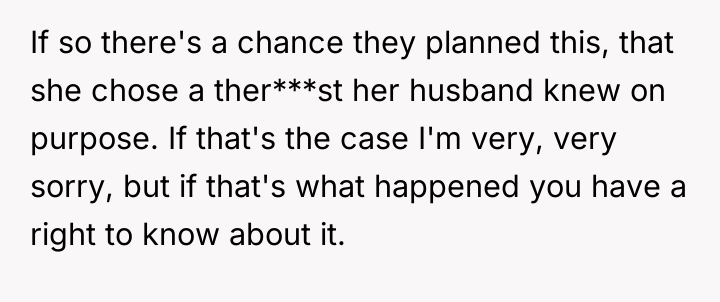
The original poster (OP) experienced deep emotional distress following the loss of his father and subsequent PTSD. His attempt to manage this grief privately was disrupted when his brother-in-law revealed sensitive details about his therapy, leading the OP to react defensively and ultimately eject the guests.
Was the OP justified in reacting so strongly and asking his brother-in-law to leave due to the severe breach of privacy regarding his mental health treatment, or did his reaction unfairly ruin a family gathering intended to offer support?