AITA for getting my neighbors car towed for blocking me in my garage and now they want me to pay for their tow fee and ticket for calling to get them towed
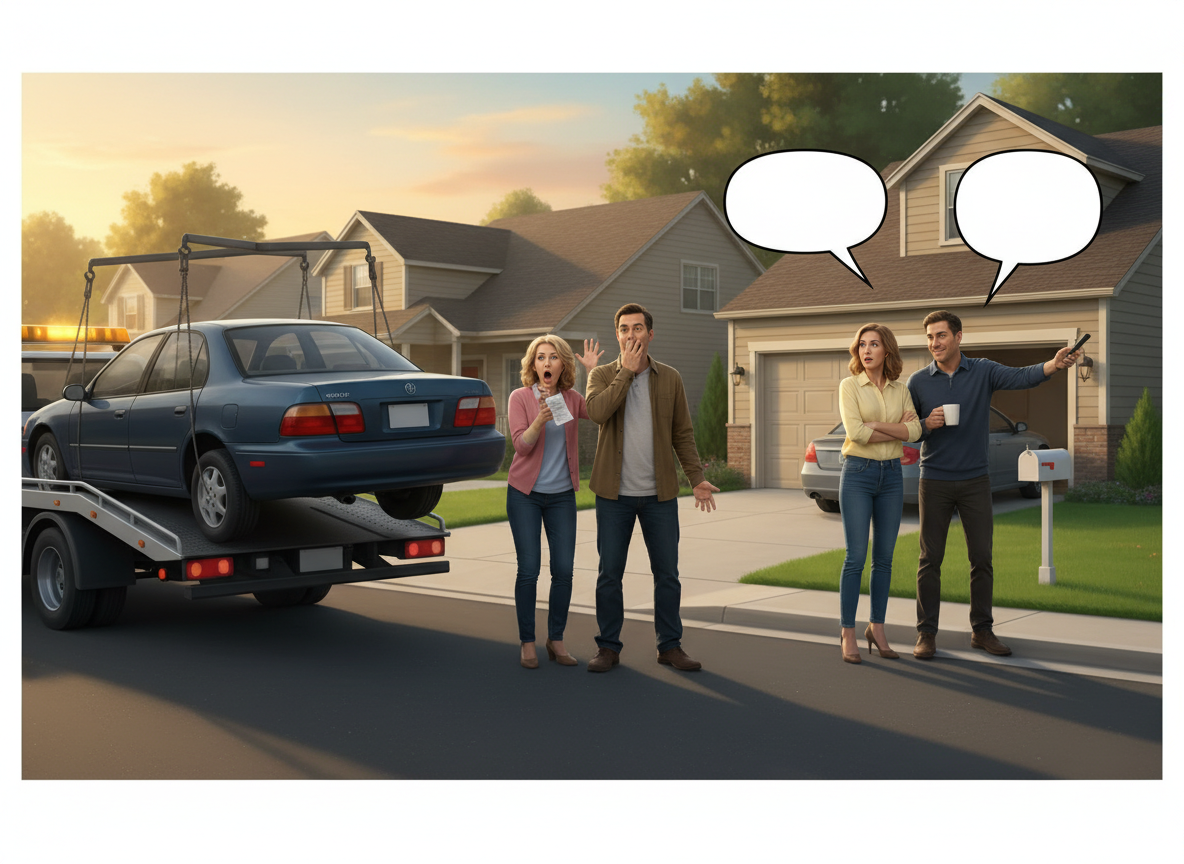
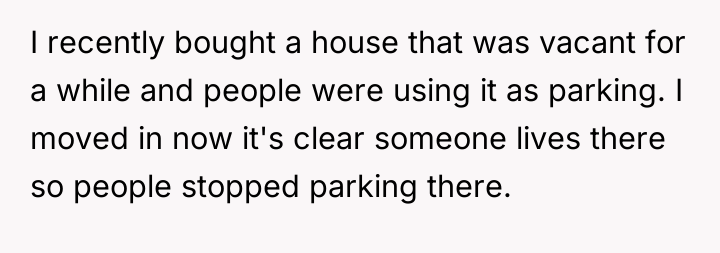
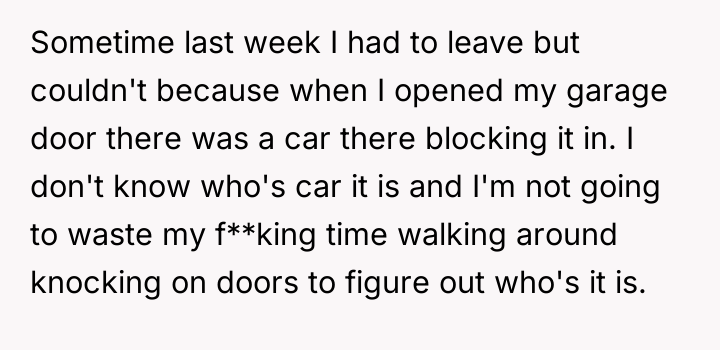
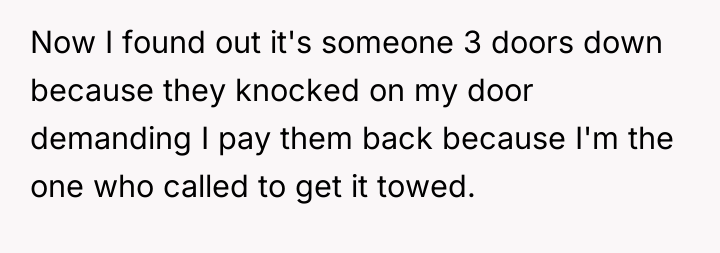
A once-forgotten house, left vacant and used as a free parking spot, finally found a new owner ready to reclaim it. But with life moving in, old habits die hard — strangers' cars began blocking the garage, turning simple access into a daily battle. The frustration of invasion and disrespect simmered silently beneath the surface.
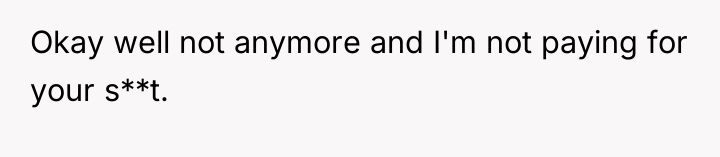
When confrontation came knocking, demanding compensation for a towed vehicle, the new owner stood firm. Boundaries were clear: long-standing ent*tlement to park on private property ends when a home is claimed. It was a hard lesson in respect, responsibility, and the courage to protect what’s rightfully theirs, no matter the cost.
Subscribe to Our Newsletter
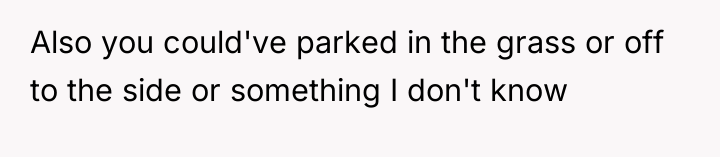
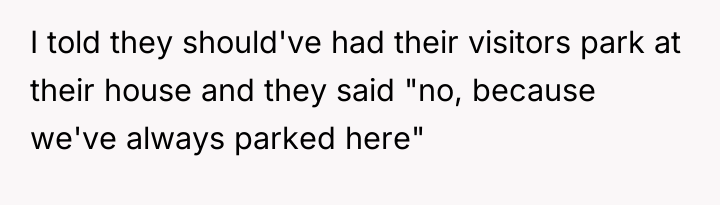
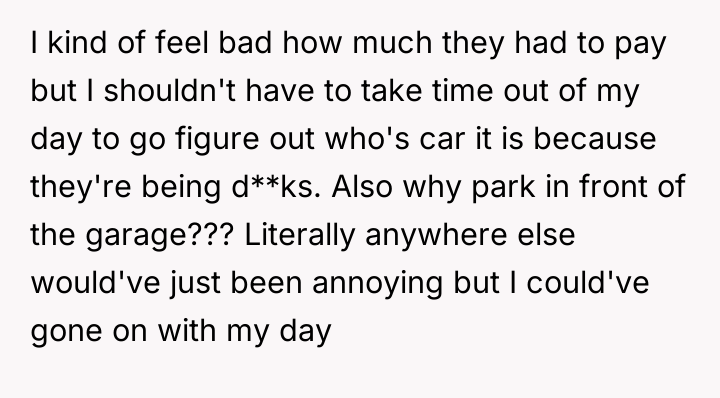
As renowned organizational psychologist Dr. Henry Cloud explains, “Boundaries are what we use to separate ourselves from others—our thoughts, feelings, actions, and property.” This situation is a classic example of a boundary violation intersecting with a pre-existing, unspoken neighborhood norm. The OP’s motivation was rooted in asserting ownership and protecting their time; being blocked from their garage represented an unacceptable imposition. The neighbors' defense—that they “always parked here”—suggests they relied on passive permission derived from the property being vacant. When the OP moved in, this tacit agreement ended instantly, as a new boundary (the owner's right to access their property) was established. Parking directly in front of a garage is an inherently inconsiderate act, signaling a low regard for the homeowner's access needs. The OP's decision to call a tow company was an appropriate, though confrontational, assertion of their property rights. While direct communication might have avoided the towing fee, the OP was not obligated to use personal time to resolve another party’s inconsiderate parking. Moving forward, the OP should establish clear, visible boundaries (e.g., no-parking signs or cones) to prevent future guest parking issues, reinforcing their right to exclusive use of their frontage without relying on reactive measures.
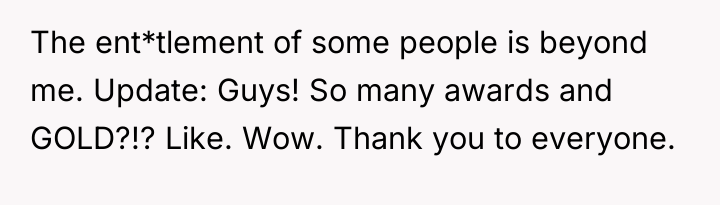
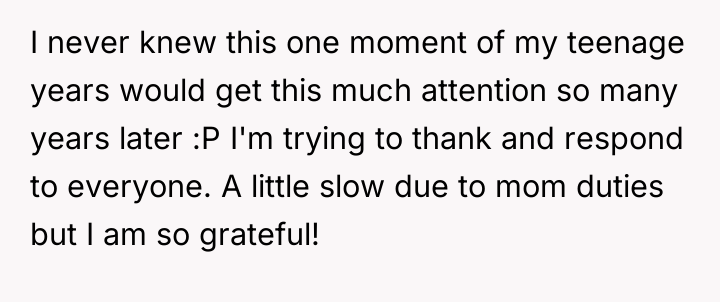
HERE’S HOW REDDIT BLEW UP AFTER HEARING THIS – PEOPLE COULDN’T BELIEVE IT.:
When users weighed in, they held nothing back. It’s a raw, honest look at what people really think.
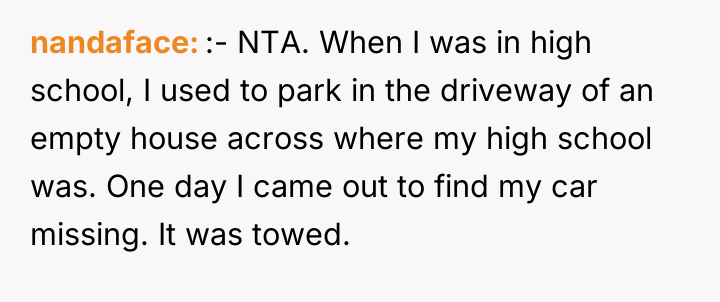
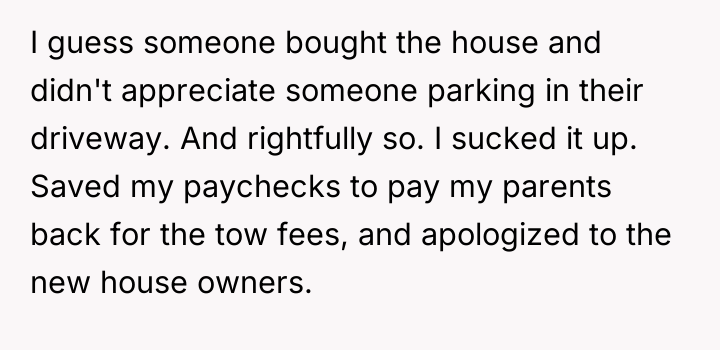

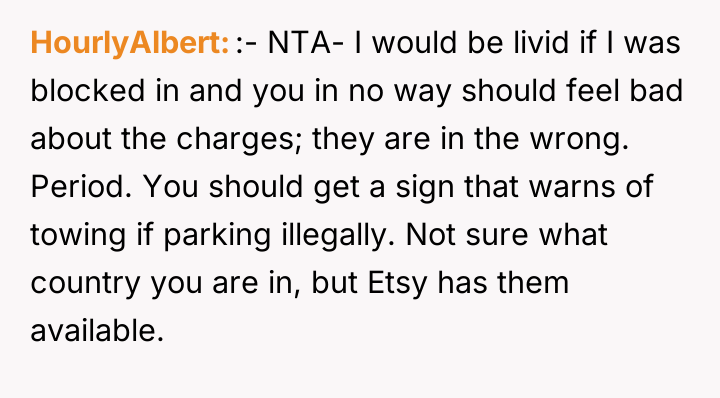
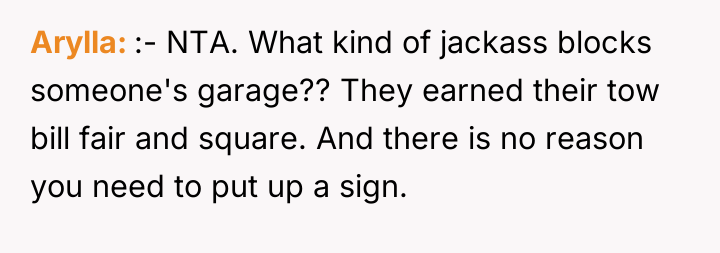
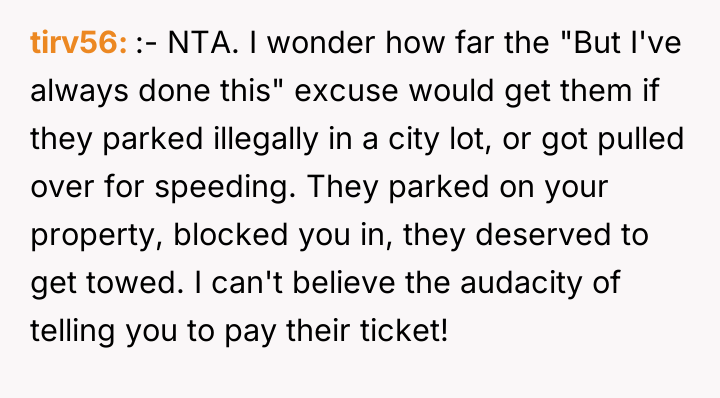
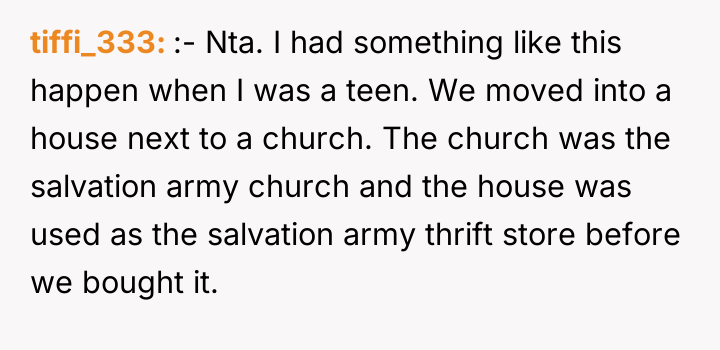
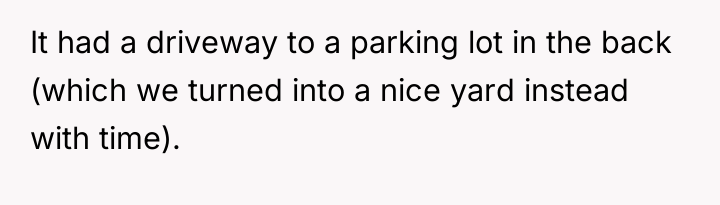
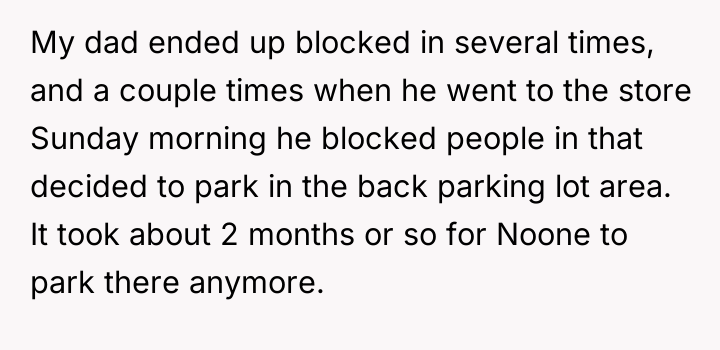
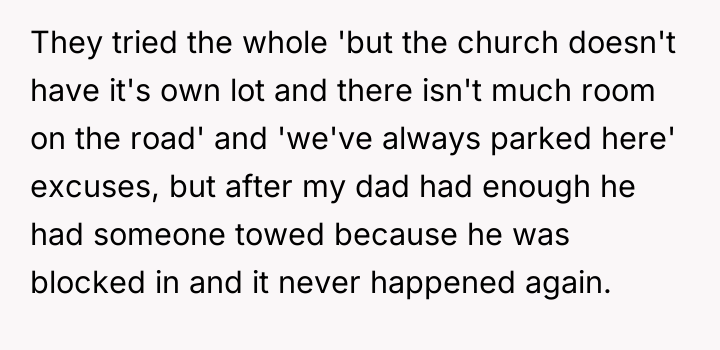
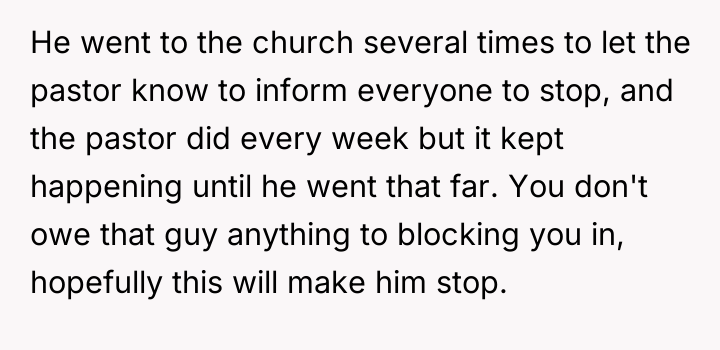
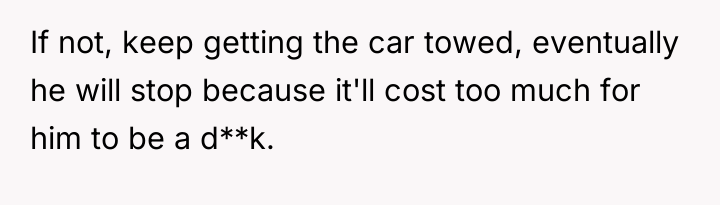
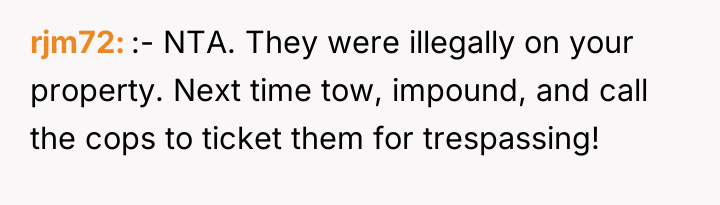
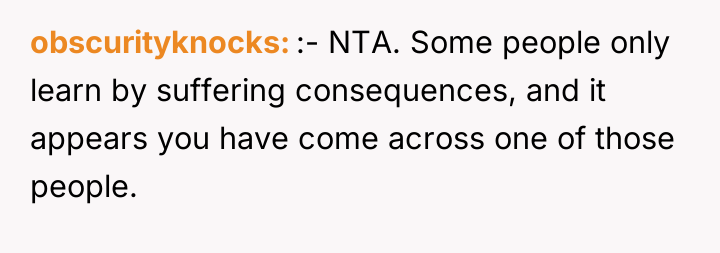
The original poster (OP) acted decisively to remove an illegally parked vehicle blocking their garage, prioritizing their immediate need to leave over engaging in time-consuming dispute resolution with unknown neighbors. This action directly clashed with the neighbors' long-standing expectation that the space in front of the garage was a shared, acceptable parking area.
Given the clear property rights, was the OP justified in immediately escalating the situation via towing, or should they have attempted a brief, direct inquiry to the neighbors first, even if inconvenient? The core question remains whether immediate enforcement supersedes the community tolerance of past informal agreements.