AITA for kicking out my brother, who our parents have previously disowned, because he told my (now ex) fiancé that I cheated 9 years ago?
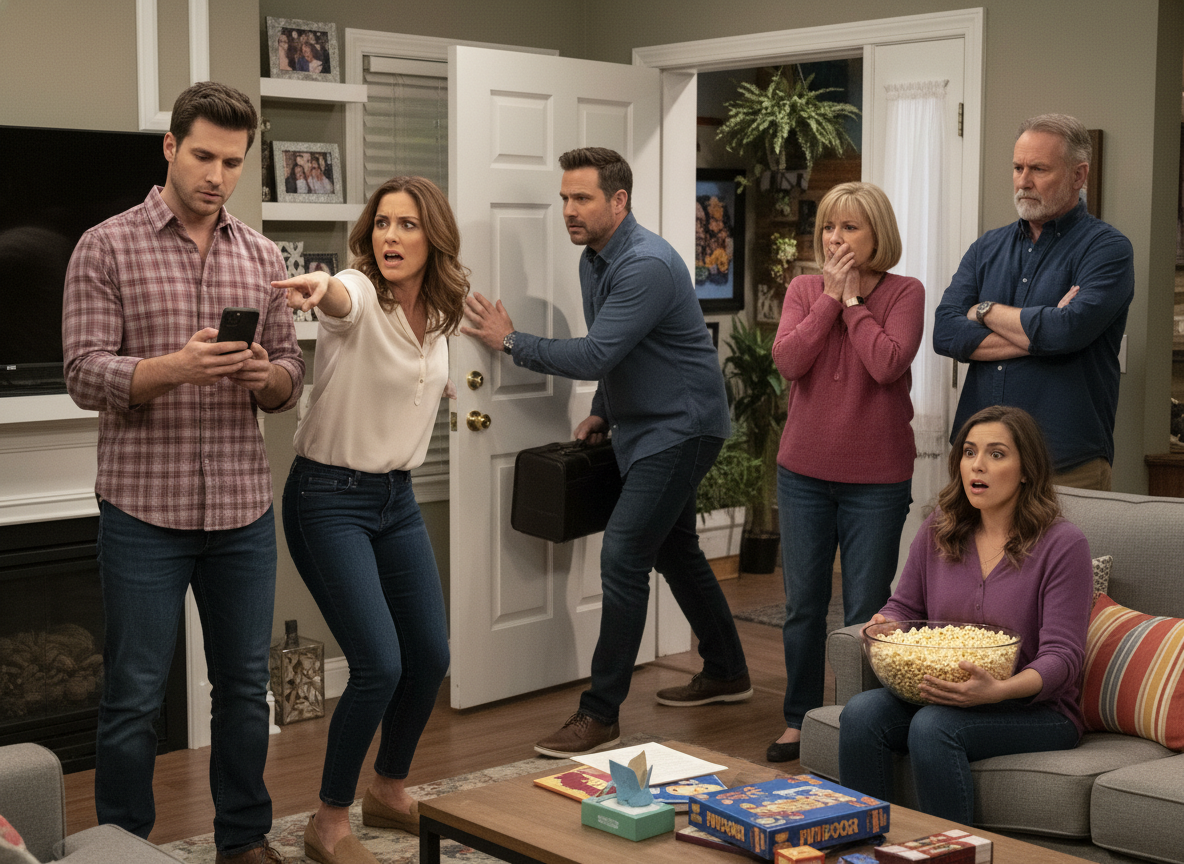
Beneath the laughter and clinking glasses of a seemingly innocent birthday celebration, old wounds festered quietly. Connor, a young man cast out by the very family meant to protect him, sought solace in the company of friends, while his sister and her fiancé tried to recapture a fleeting sense of youth. But when the game turned to secrets and betrayals, the fragile veneer of their gathering shattered, exposing scars deeper than anyone expected.
In that charged moment, the past collided brutally with the present. Hunter’s guarded heart, still raw from a painful betrayal, was thrust into the spotlight, forcing everyone to confront the hidden fractures in their relationships. What began as a night of fun spiraled into a poignant reckoning, revealing how trust, love, and family can be both fragile and fiercely complicated.
Subscribe to Our Newsletter
As renowned relationship expert Dr. John Gottman explains, “When we are hurt, we look for someone to blame.” In this scenario, the OP is grappling with the combined, catastrophic loss of a fiancé and the betrayal by a younger brother they felt responsible for. The brother’s statement, though motivated by the immaturity of a drinking game and knowledge of a past event, acted as a direct catalyst for the fiancé’s deeply seated emotional trigger concerning past infidelity, leading to the immediate dissolution of the engagement.
The OP's swift decision to evict Connor, while emotionally understandable given the depth of the pain and the feeling that Connor 'ruined' their life, represents a significant power dynamic shift and an extreme punitive measure. The OP cared for Connor after their parents rejected him, suggesting a strong, perhaps overly invested, bond. Connor's apology acknowledges his error in judgment, but the OP’s reaction prioritizes immediate emotional triage over nuanced family reconciliation, especially considering the brother’s own history of parental rejection.
The OP's action of eviction, while perhaps appropriate in terms of immediately creating emotional distance from the source of the immediate pain (Connor), is likely an overcorrection relative to the long-term relationship. A more constructive approach would involve temporarily separating while processing the fiancé's departure, but delaying the final eviction notice until emotions settle. This would allow for a mediated conversation where the OP can express the depth of their pain without making irreversible decisions about their brother's housing.
REDDIT USERS WERE STUNNED – YOU WON’T BELIEVE SOME OF THESE REACTIONS.:
The crowd poured into the comments, bringing a blend of heated opinions, solid advice, and a few reality checks along the way.
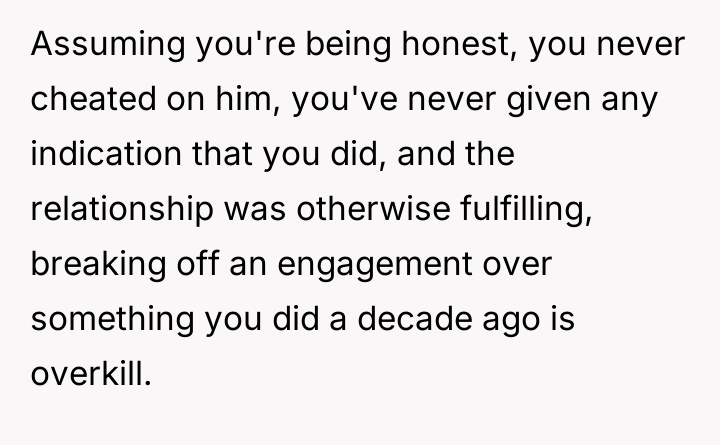
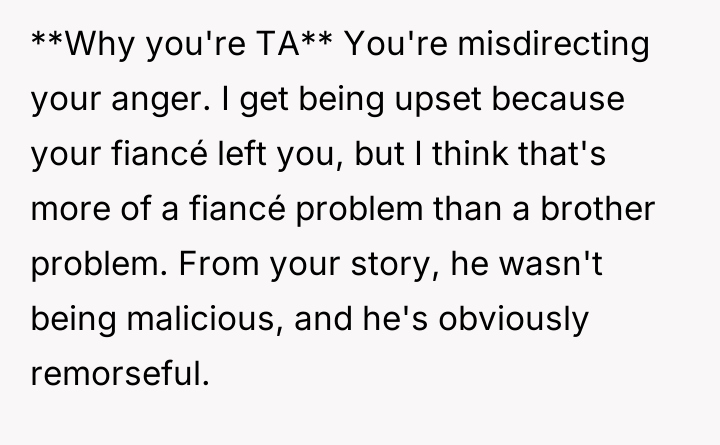
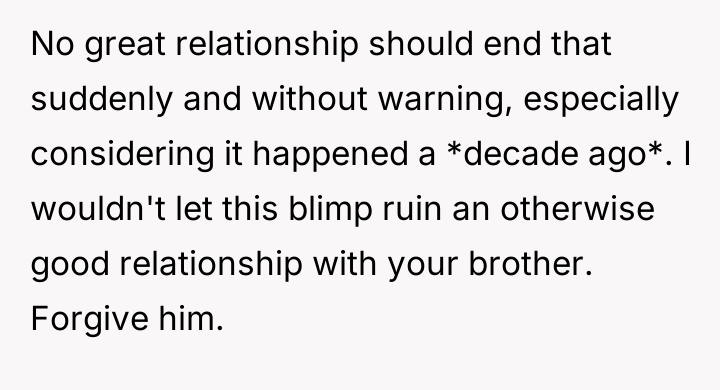
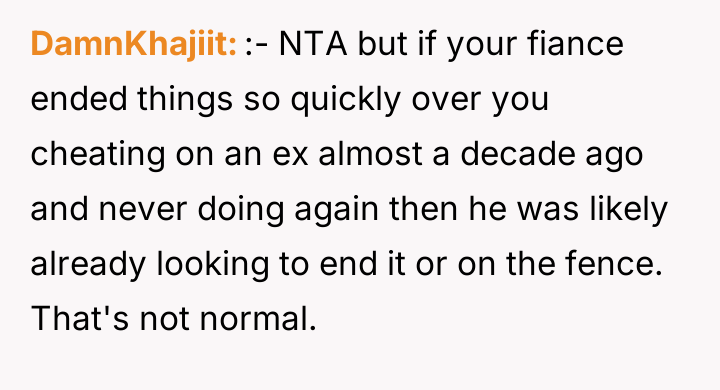
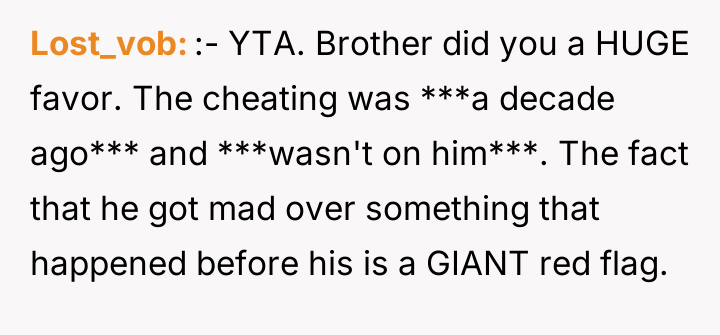
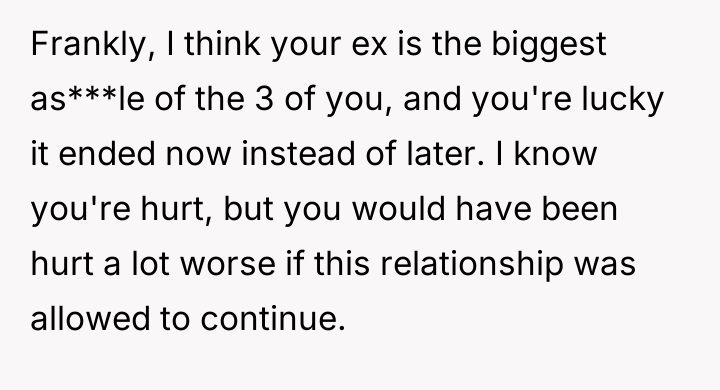
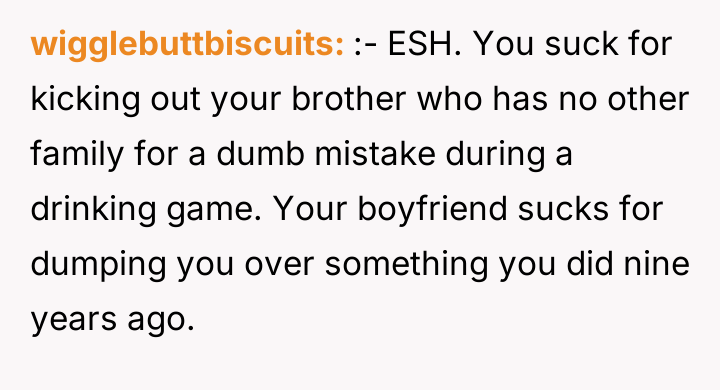
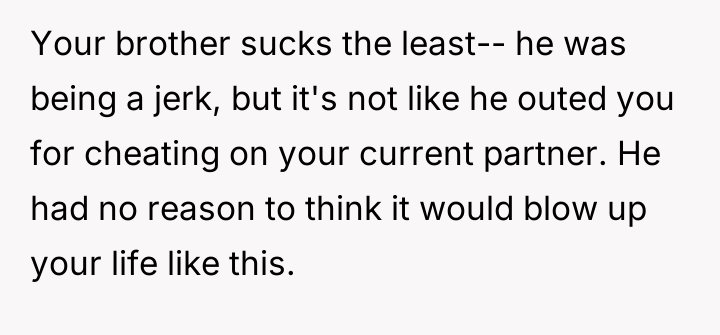
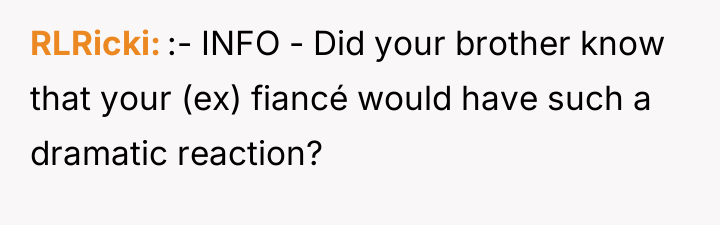
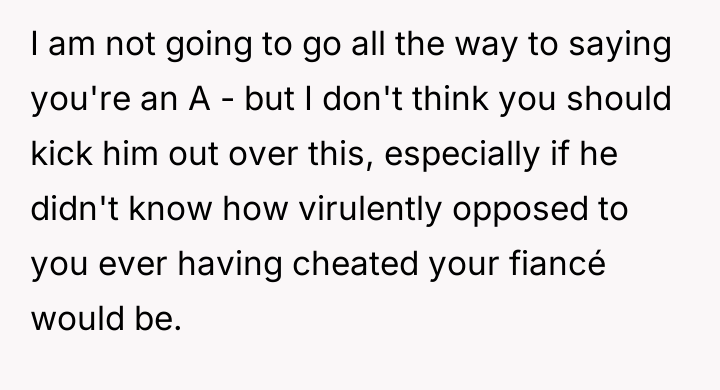
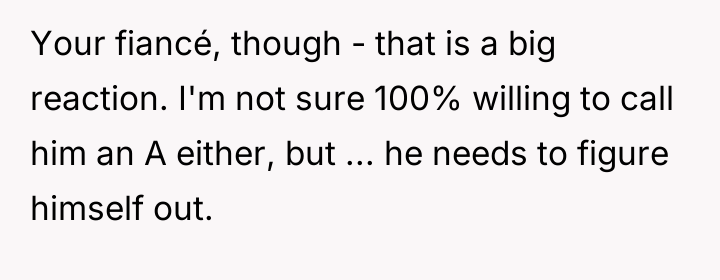
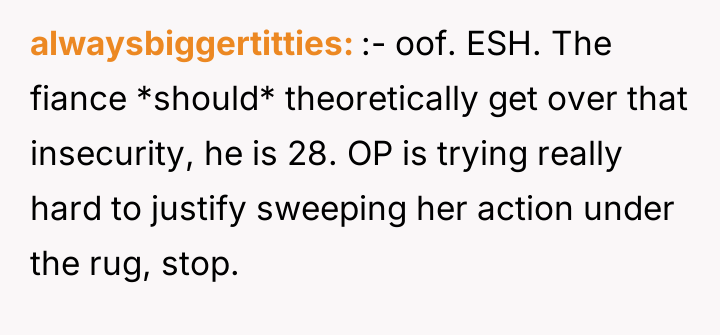
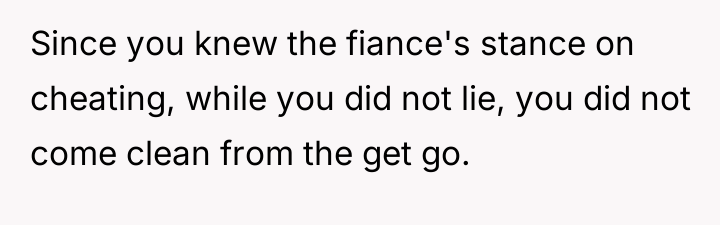
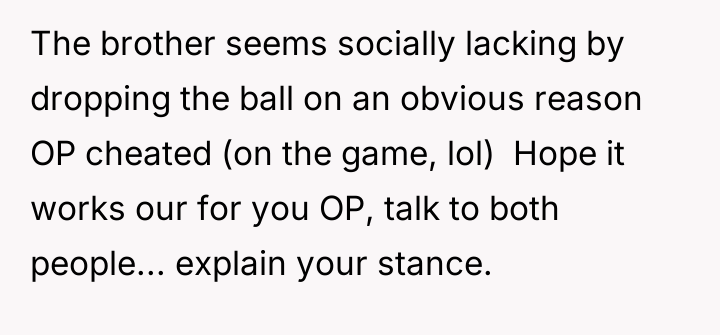
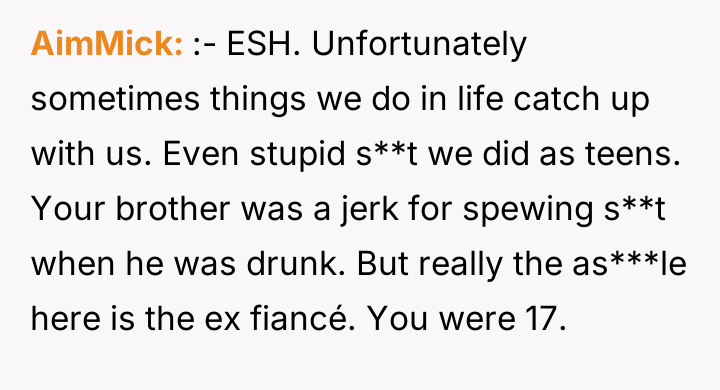
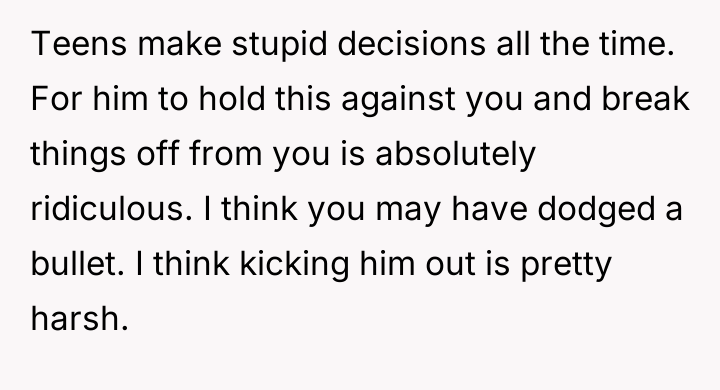
The original poster (OP) is currently experiencing intense emotional pain and is acting decisively against their brother, Connor, whom they previously cared for deeply, by evicting him. The central conflict stems from a drunken game where Connor revealed the OP's decade-old, regretted teenage mistake of cheating, which directly triggered the fiancé's severe, pre-existing trauma related to infidelity, leading to an immediate breakup.
The debate centers on whether the OP's severe reaction—evicting their younger brother immediately after losing their fiancé due to a past mistake brought up unintentionally—is a justifiable defense mechanism against overwhelming hurt, or if it represents an unfair escalation against a sibling who apologized for a moment of drunken thoughtlessness. Where does the responsibility for destroying the relationship truly lie?