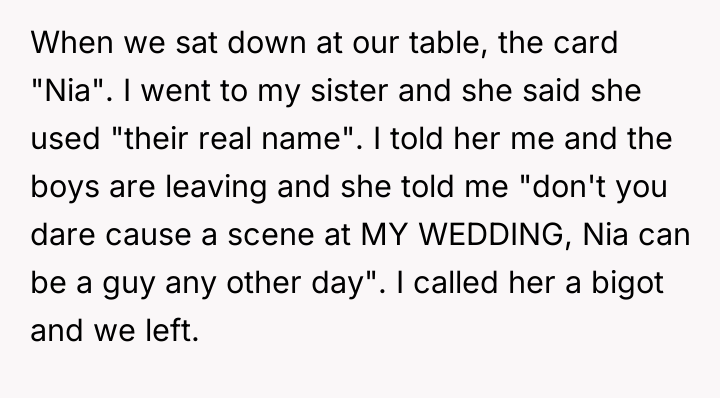
AITA for storming off from my sister's wedding after she deadnamed my son?
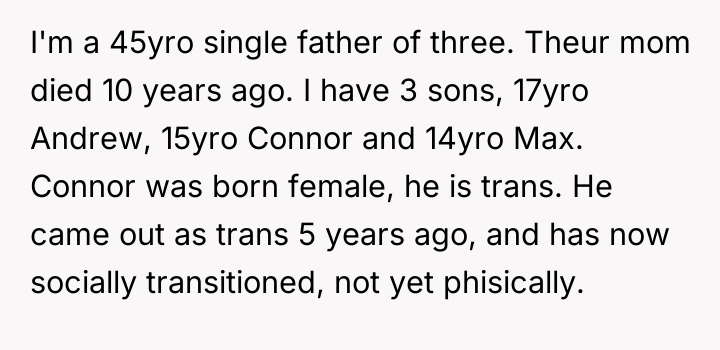
A single father of three brave boys navigates the complexities of family love and acceptance, carrying the weight of loss and hope. Among them, Connor, a courageous teenager living his truth as a trans boy, stands at the crossroads of ident*ty and belonging, yearning to be seen and respected for who he truly is.
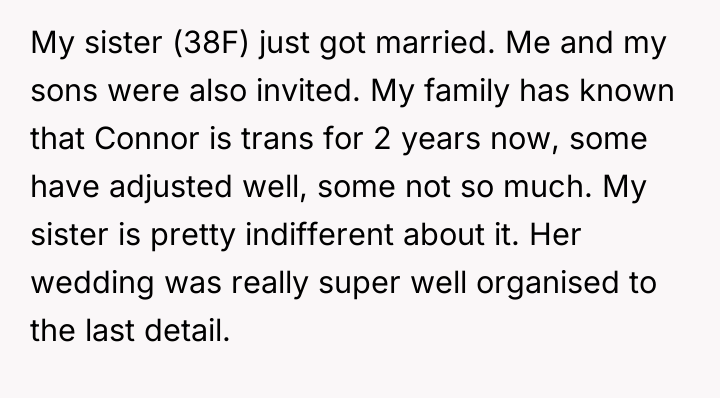
When the family gathers for the sister’s wedding—a celebration meant to unite—they face the fragile tension between tradition and transformation. The father’s firm stance to honor Connor’s ident*ty ignites quiet conflict, revealing the raw emotions that ripple beneath the surface of family bonds, where acceptance is both a battle and a gift.


Subscribe to Our Newsletter
As renowned researcher Dr. Brené Brown explains, “Boundaries are the distance at which I can love you and me simultaneously.” This situation highlights a severe boundary violation by the sister, manifesting as intentional misgendering and deadnaming in a highly public and significant setting.
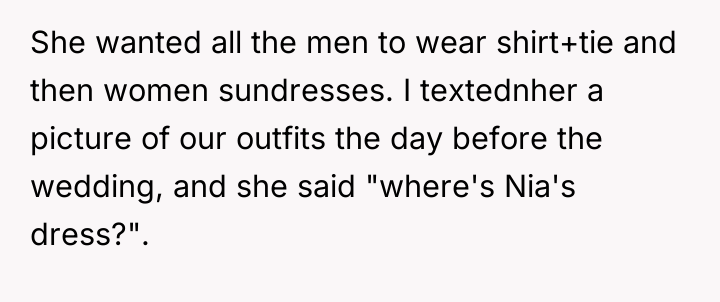
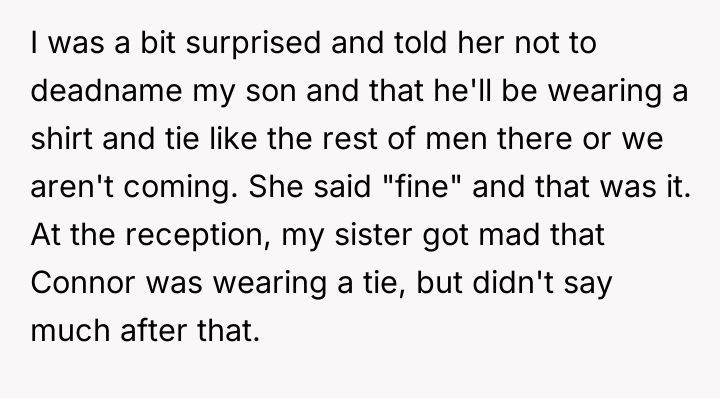
The OP, as a single parent, carries the significant emotional labor of protecting and validating their transgender son, Connor. The sister's insistence on using the deadname ("Nia") on the place card, even after being warned, moved beyond mere aesthetic preference into active invalidation of Connor's identity. When the OP confronted the sister, the sister further escalated the situation by demanding the OP suppress the confrontation to avoid 'causing a scene,' effectively prioritizing social propriety over the emotional safety of her nephew. The OP's final decision to leave was a strong, though disruptive, boundary enforcement mechanism aimed at protecting Connor from further disrespect.
The OP's action of leaving was an appropriate response to an intentional and repeated identity attack, especially given the context of the prior warning. To handle similar situations more effectively, the OP could attempt non-confrontational, preemptive documentation (like recording the agreement prior to the event) or, if direct confrontation escalates, minimize exposure. However, in this case, the wedding environment itself became hostile. A constructive future step would involve a direct, calm conversation with the sister post-wedding, focused on the impact of the deadnaming rather than the disruption of the event, to preserve the long-term relationship if possible.
REDDIT USERS WERE STUNNED – YOU WON’T BELIEVE SOME OF THESE REACTIONS.:
It didn’t take long before the comment section turned into a battleground of strong opinions and even stronger emotions.
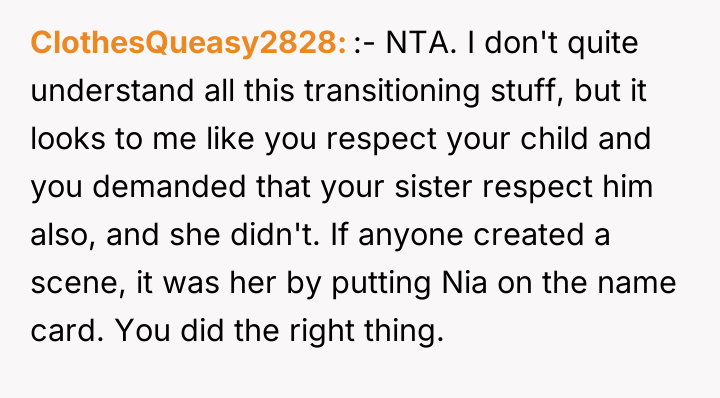
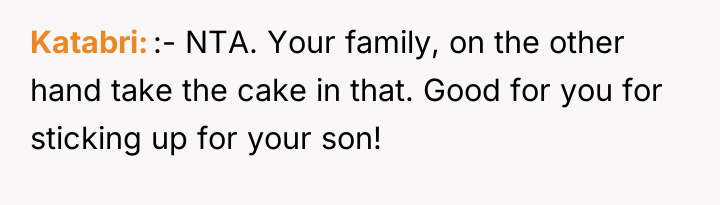
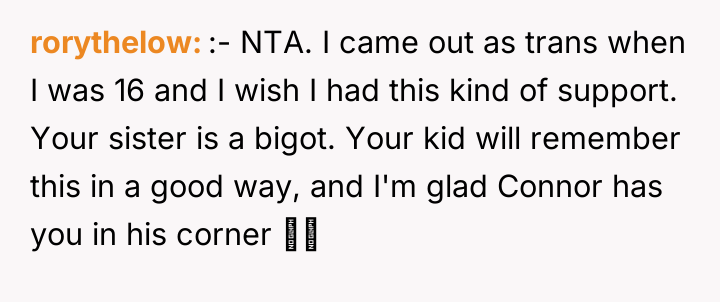
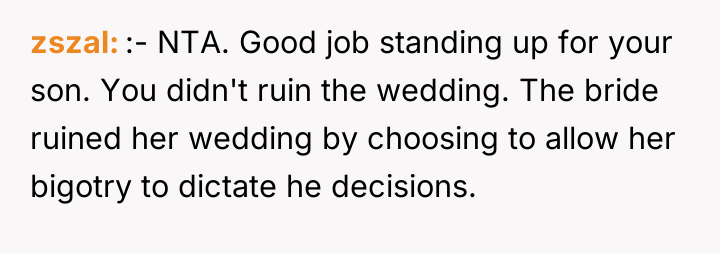
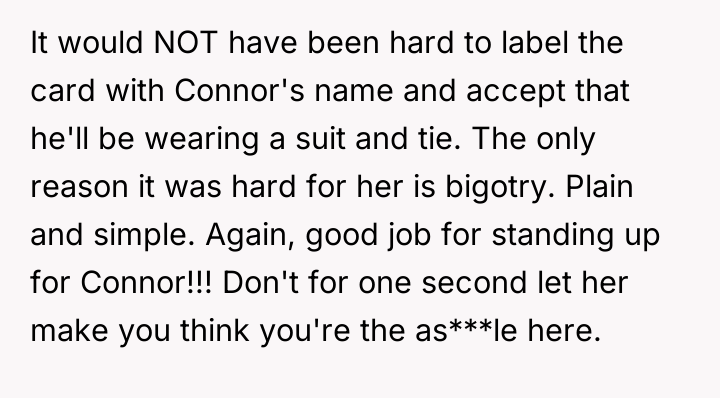
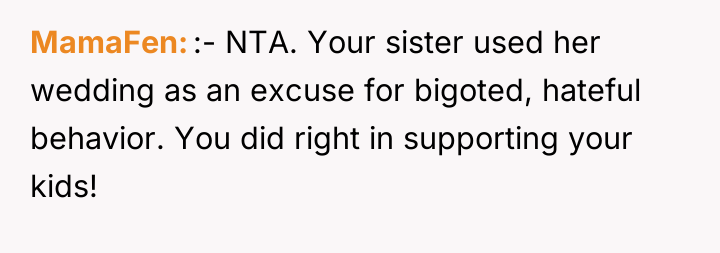
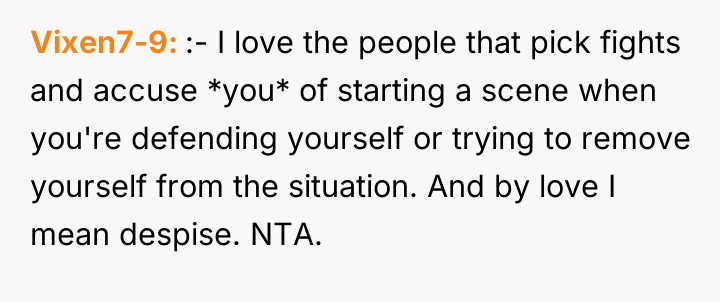
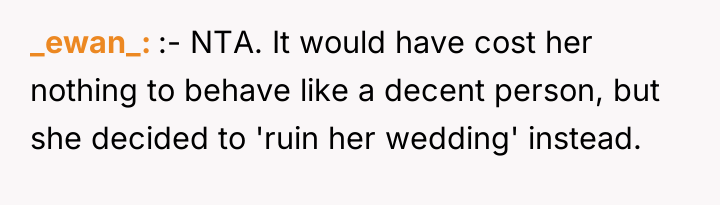
The original poster (OP) faced a direct conflict between upholding their transgender son's identity and respecting the sister's desire for control over her wedding aesthetic and guest presentation. The OP prioritized affirming their son's chosen name and gender presentation, leading to an immediate departure from the event when the sister intentionally used the deadname.
Was the OP justified in leaving the wedding immediately upon seeing the intentional deadnaming on the place card, or did this action unfairly disrupt a significant family event? How should family members balance the need to affirm an LGBTQ+ identity against maintaining peace during major social functions?