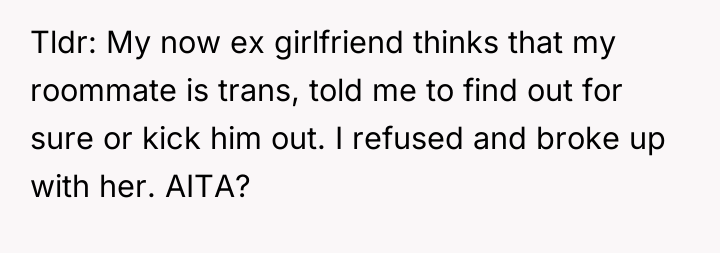
AITA for not kicking out my roommate just because my girlfriend thinks he might be trans?
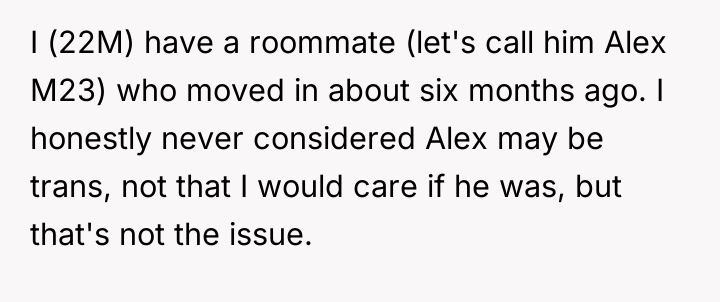
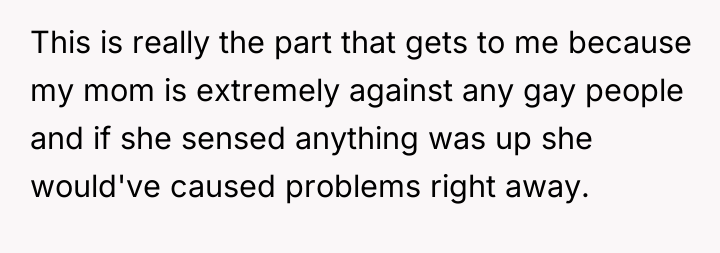
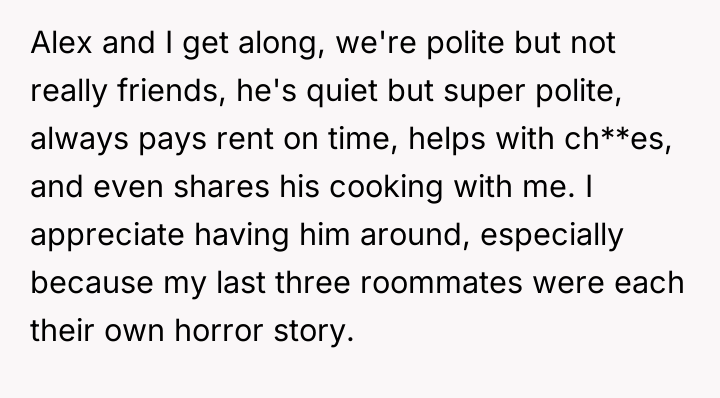
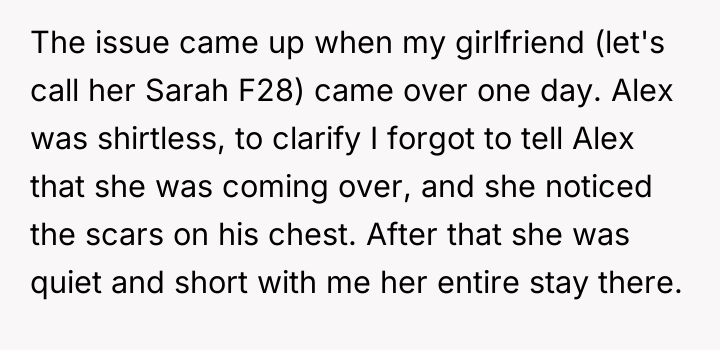
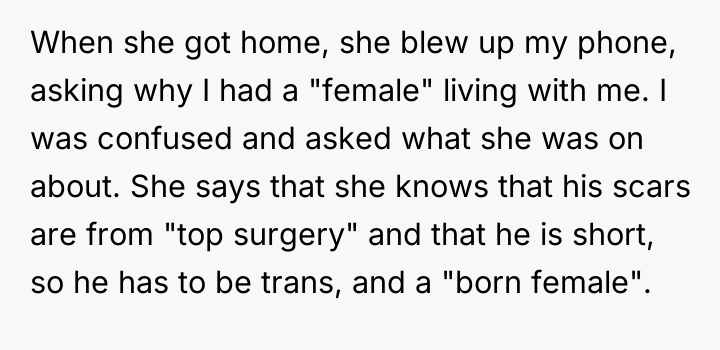
The Original Poster (OP), a 22-year-old man, shares his apartment with a roommate named Alex (23M), whom he describes as polite, responsible, and a good cohabitant. The core conflict began when OP's girlfriend, Sarah (28F), visited the apartment and saw Alex shirtless, noticing scars on his chest.
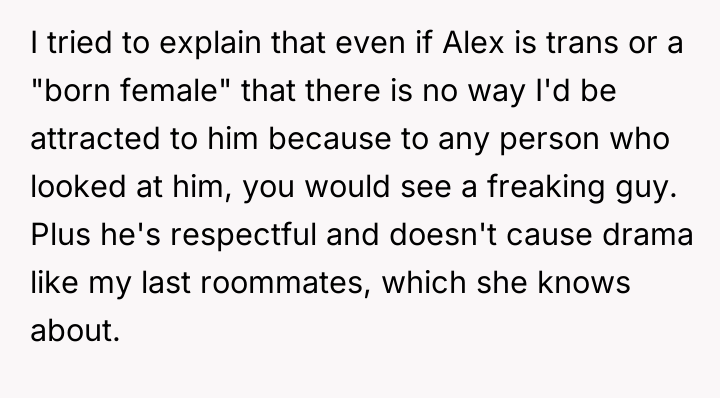
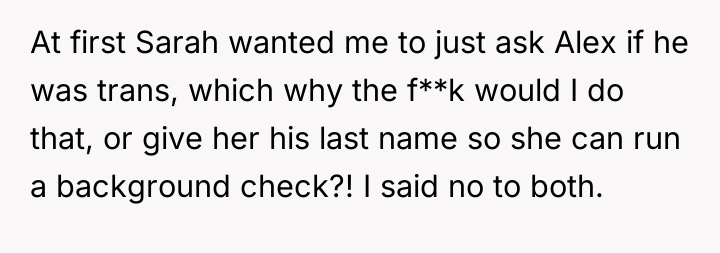
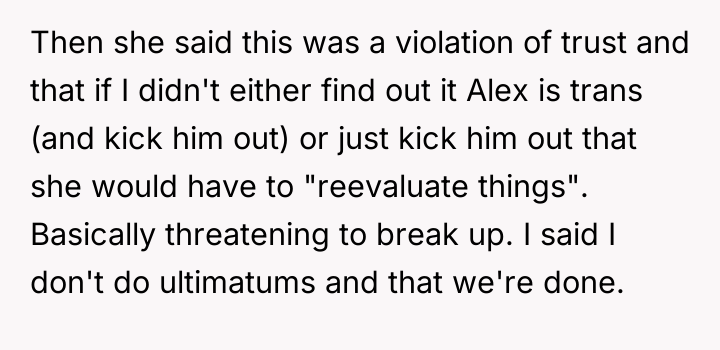
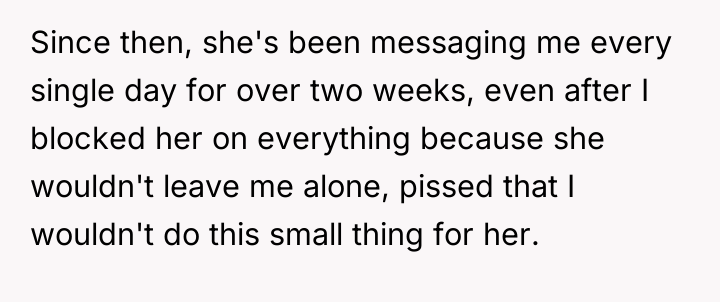
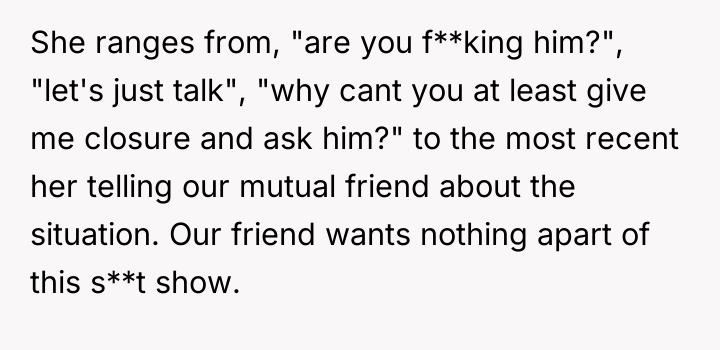
Following this observation, Sarah became sus**cious, concluding that Alex must be a transgender woman based on the scars and his short stature. When OP refused to ask Alex about his gender ident*ty or run a background check, Sarah issued an ultimatum: either confirm Alex was trans and evict him, or face a breakup. The OP refused the demands and ended the relationship, leaving him questioning whether his actions were unreasonable.



Subscribe to Our Newsletter
According to Dr. Phoenix Bennett, a specialist in interpersonal dynamics, 'Trust in a relationship is fundamentally tested not by external events, but by how partners respond to each other's stated boundaries and comfort zones.' The OP’s situation involves a severe overreach by Sarah concerning privacy and bodily autonomy, projected onto the roommate. Sarah’s reaction suggests deep-seated insecurities or biases regarding gender identity, which she attempted to resolve by demanding the OP act as an investigator and enforcer of her comfort. The OP correctly identified this as an ultimatum, which invalidates the foundation of a healthy partnership. His refusal to investigate Alex, regardless of Alex's actual identity, was a necessary defense of personal ethics and the roommate's right to privacy. While some suggest asking the question to maintain peace, this advice ignores the inherent harm in demanding someone confirm or deny private medical or identity information. The OP prioritized immediate ethical integrity over a relationship built on conditional acceptance. A potential path forward for the OP involves maintaining distance from Sarah, as her behavior indicates a willingness to violate ethical standards when feeling insecure. For long-term relationship health, partners must trust each other's judgment regarding their living situation without requiring invasive vetting.
HERE’S HOW REDDIT BLEW UP AFTER HEARING THIS – PEOPLE COULDN’T BELIEVE IT.:
When users weighed in, they held nothing back. It’s a raw, honest look at what people really think.
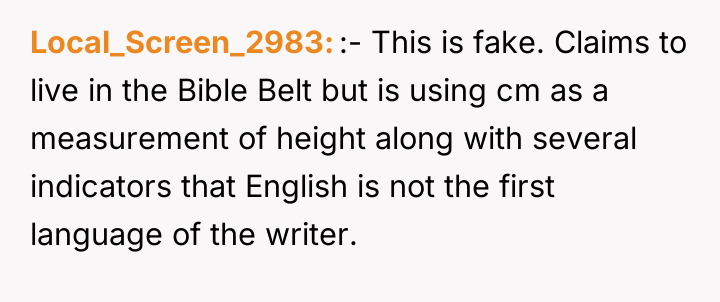
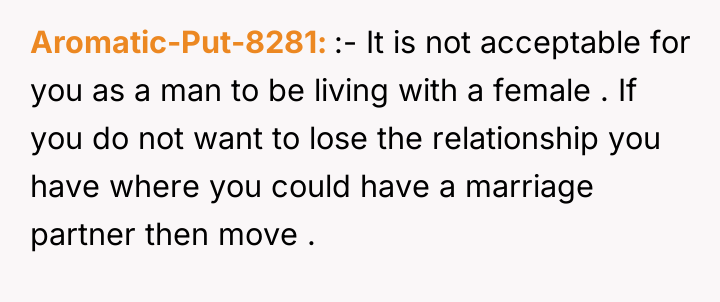
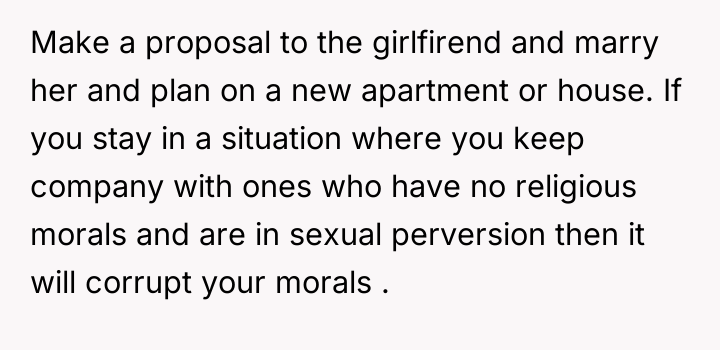



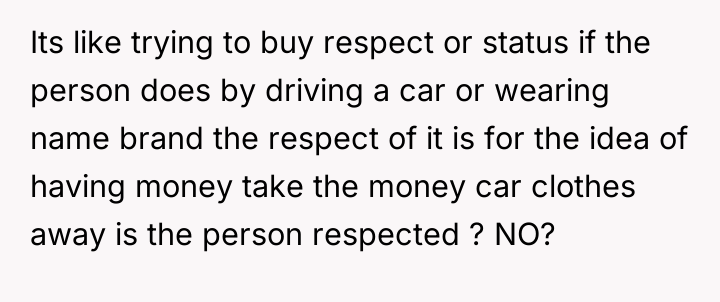

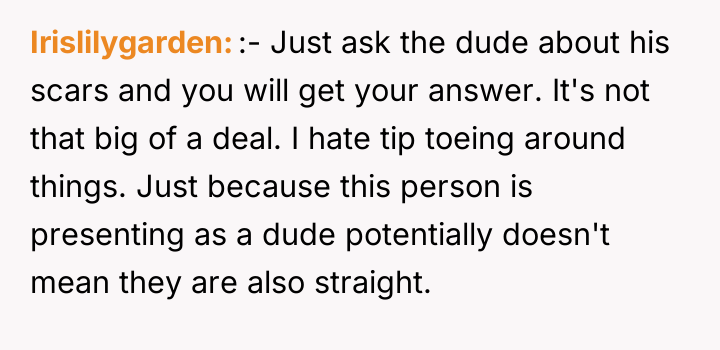
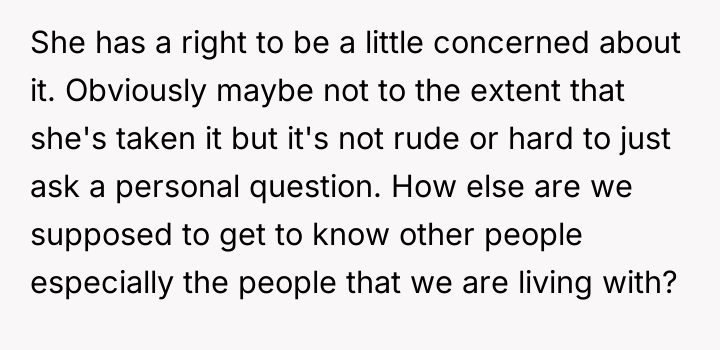

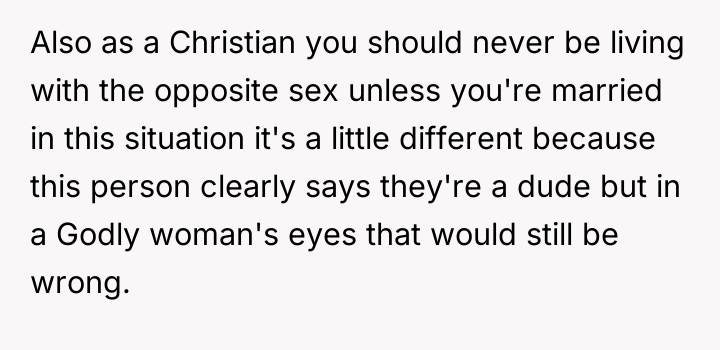

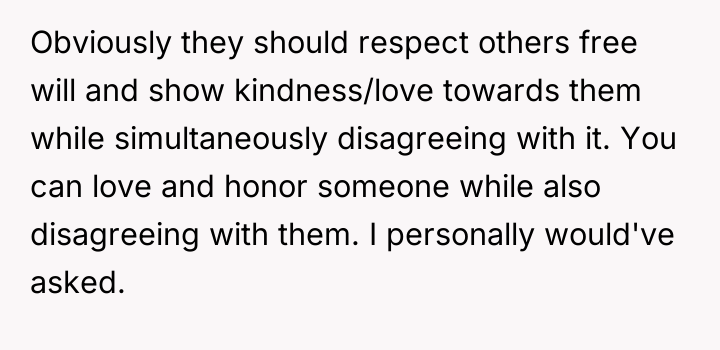
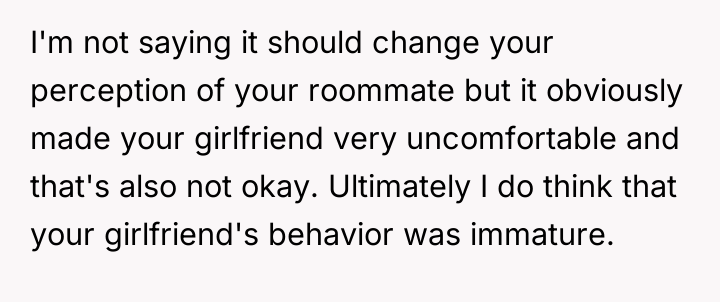
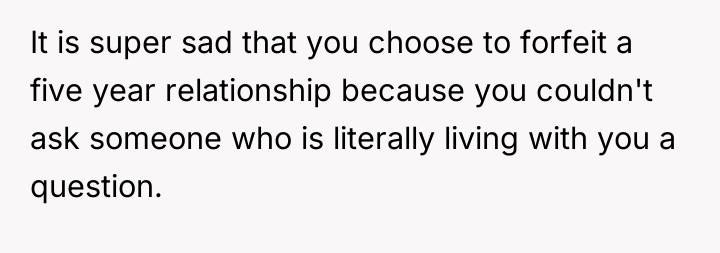
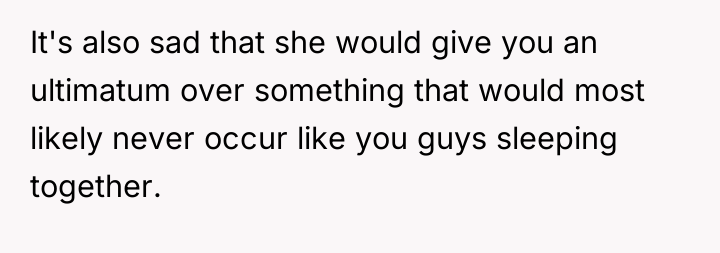
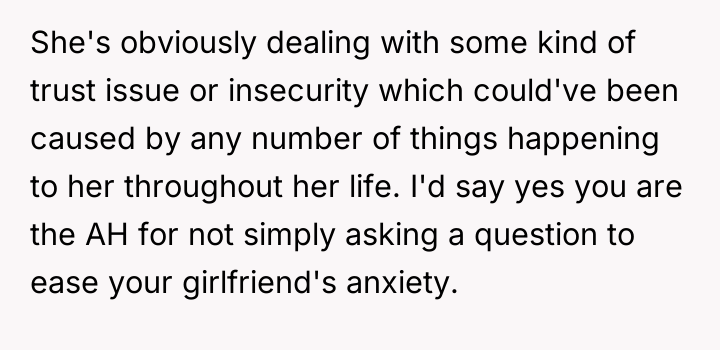
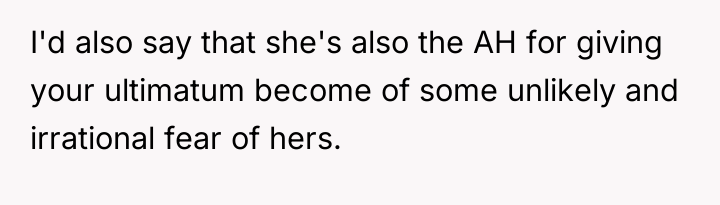
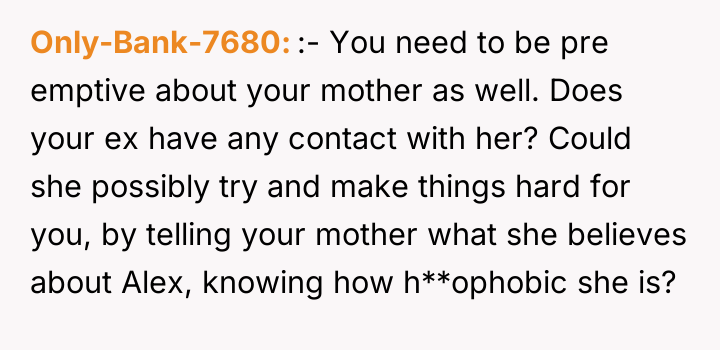
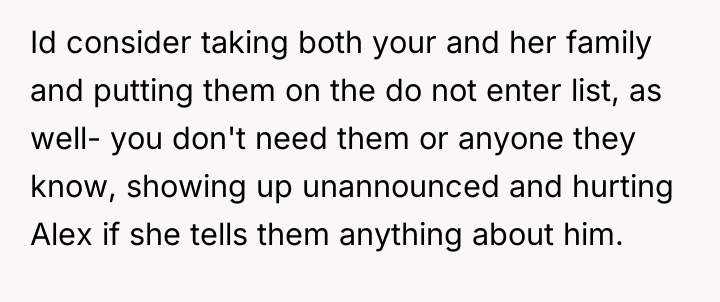
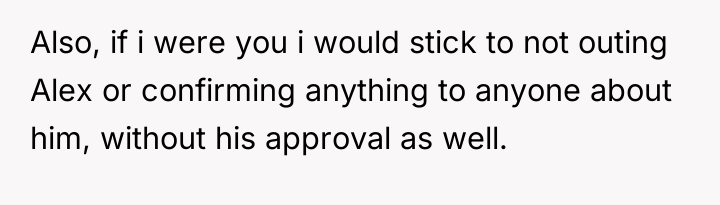
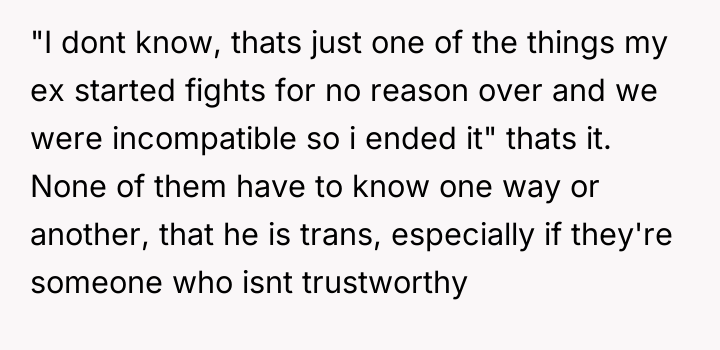

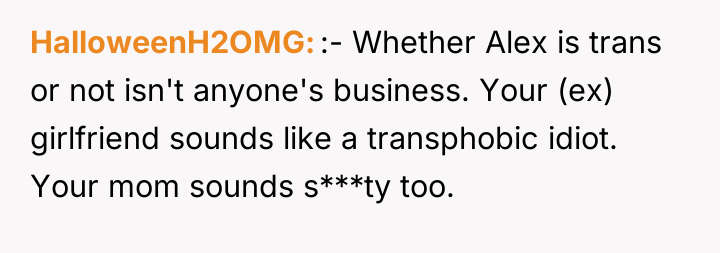
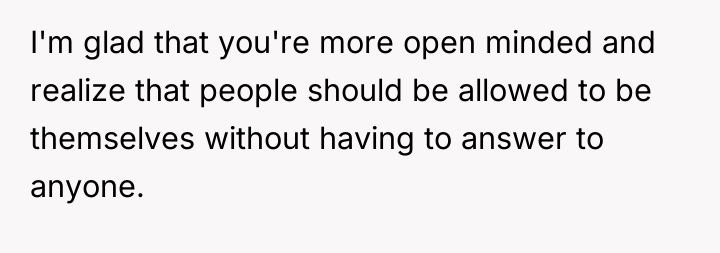
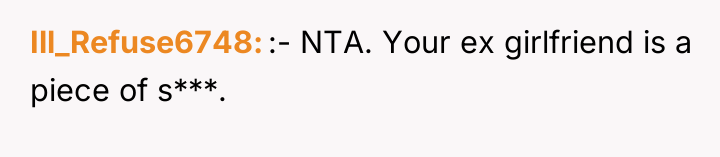
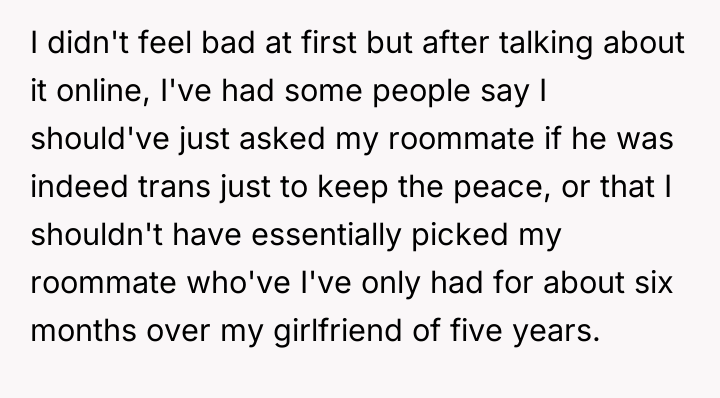
The OP stands firm on his refusal to violate his roommate's privacy or submit to his ex-girlfriend's intrusive demands, prioritizing his boundaries and respect for Alex over maintaining his five-year relationship with Sarah. The central conflict rests between the OP's conviction to protect his roommate's dignity and Sarah's expectation that he should compromise privacy and trust to alleviate her personal anxieties.
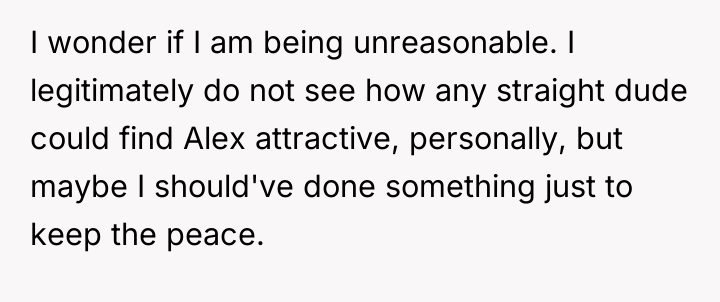
The reader is left to weigh the significance of personal boundaries and privacy against the perceived value of a long-term relationship. Should the OP have complied with Sarah's demand to investigate his roommate to 'keep the peace,' or was his decision to break up with her justified when faced with such an unreasonable ultimatum?