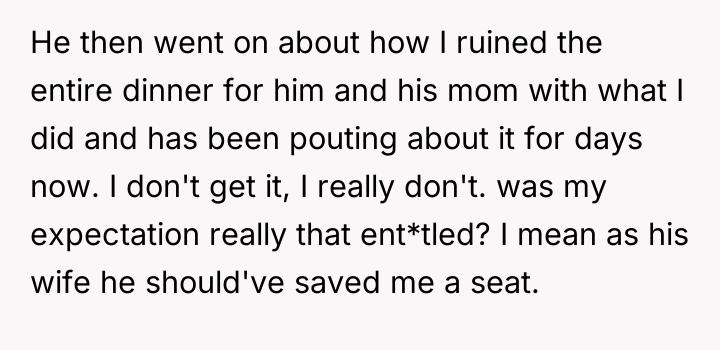
AITA for getting an entire table for myself after my husband and his mom didn't save me a seat?
In the quiet shadows of a strained marriage, a woman’s heart breaks not from neglect, but from the cold exclusion of the family she longs to be part of. Despite her efforts to bridge the gap, she finds herself standing alone, an outsider in the very moments meant for celebration and togetherness.
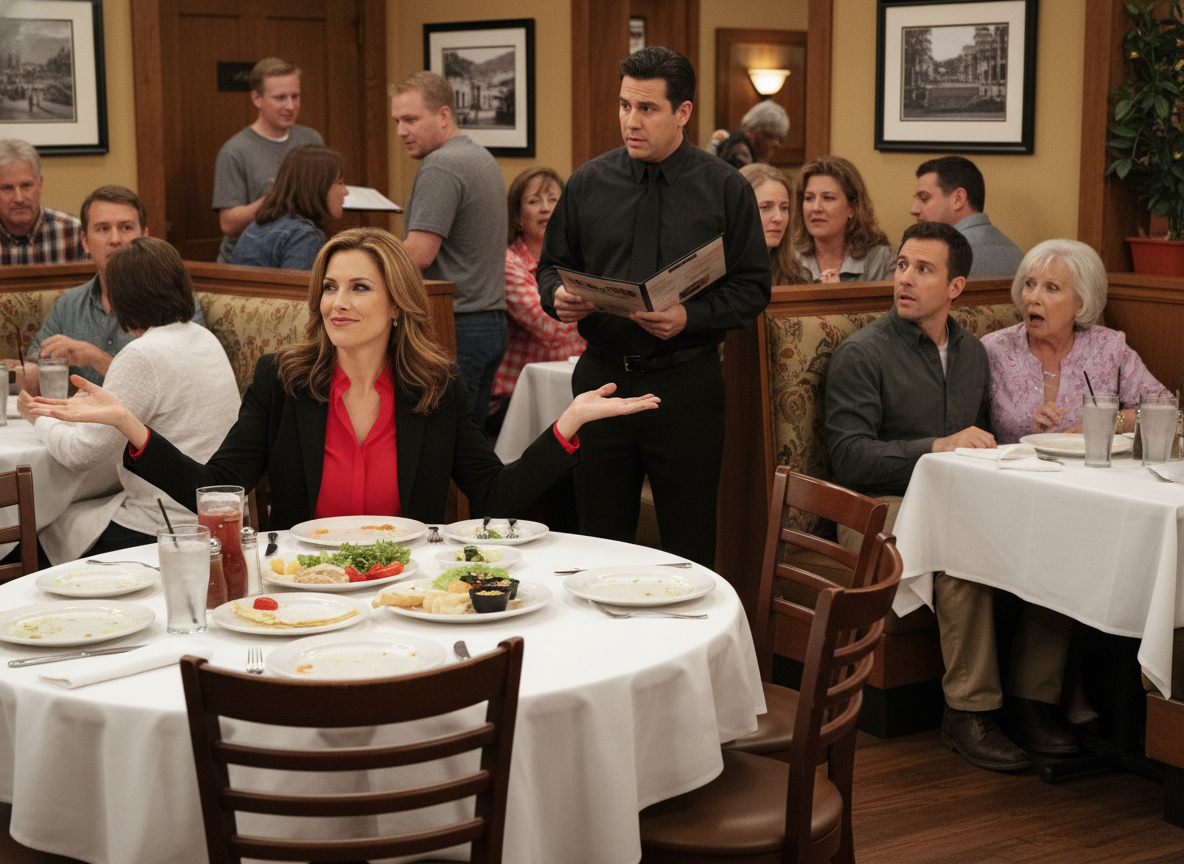
When faced with blatant rejection at the dinner table, she refuses to vanish into the background. Instead, she claims her space with quiet dignity, turning a moment of humiliation into a powerful statement of self-worth and resilience, leaving those who tried to diminish her stunned and speechless.


Subscribe to Our Newsletter
As renowned researcher Dr. Brené Brown explains, “Boundaries are the distance at which I can love you and me simultaneously.” This situation highlights a profound failure in establishing and respecting relationship boundaries, not just between the OP and her in-laws, but critically, between the OP and her husband, Bob.
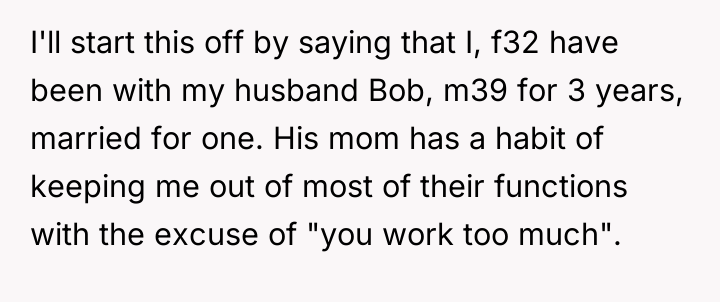
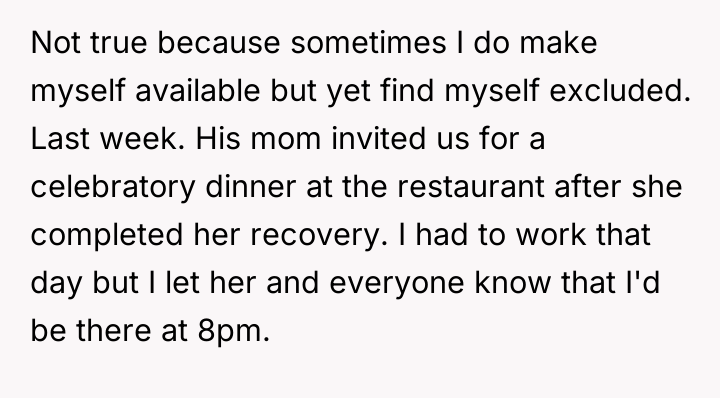
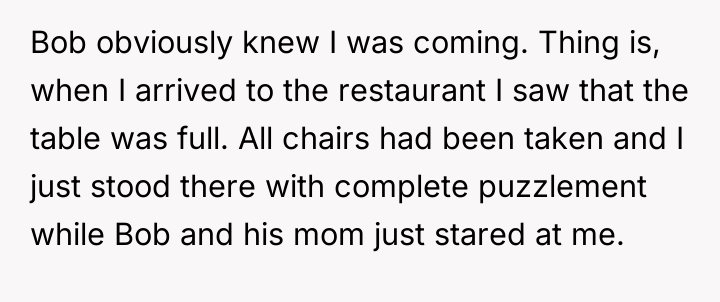
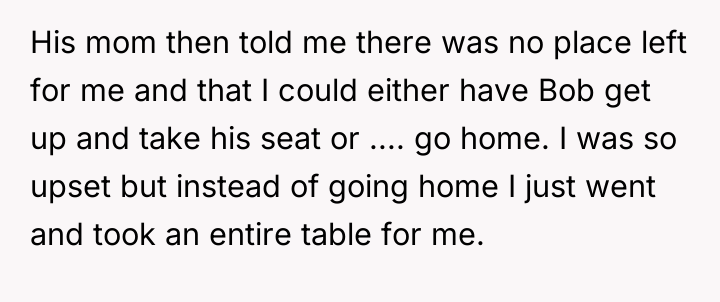
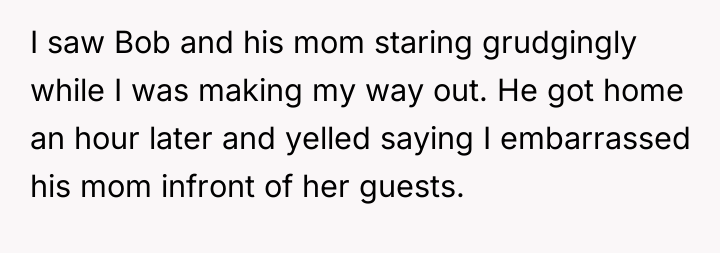
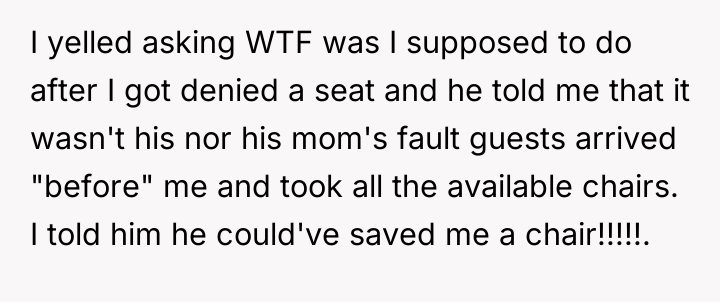
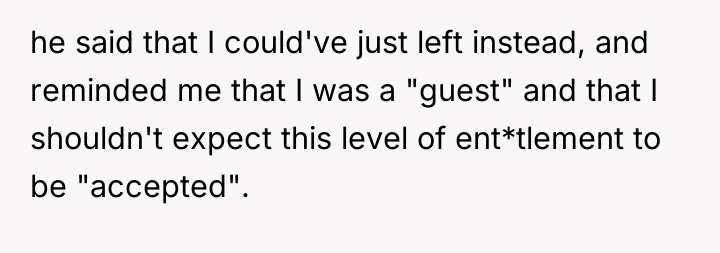
The mother-in-law’s pattern of exclusion, using the OP's work schedule as a pretext, establishes a dynamic where the OP is treated as an outsider rather than a core family member. When the dinner arrangement occurred, Bob failed to act as a unified front with his wife. His justification that guests arrived early and that the OP should have left demonstrates a lack of prioritizing his marital commitment over pleasing his mother and managing his guests' perceptions. By not saving a seat, Bob actively participated in the exclusion. The OP’s reaction—taking a separate table—was a powerful, albeit socially awkward, assertion of self-worth in the face of deliberate marginalization. While her action caused immediate tension, it directly addressed the disrespect she faced.
The OP's expectation that her husband would ensure she had a place was entirely reasonable within a committed marriage. Constructively, the OP and Bob need to establish clear expectations regarding in-law interactions and support. In future similar conflicts, the OP should communicate her boundary violation to Bob privately and firmly immediately after the event, rather than relying solely on public confrontation, although her public action served as an undeniable message about the severity of the offense.
AFTER THIS STORY DROPPED, REDDIT WENT INTO MELTDOWN MODE – CHECK OUT WHAT PEOPLE SAID.:
Users didn’t stay quiet — they showed up in full force, mixing support with sharp criticism. From calling out bad behavior to offering real talk, the comments lit up fast.
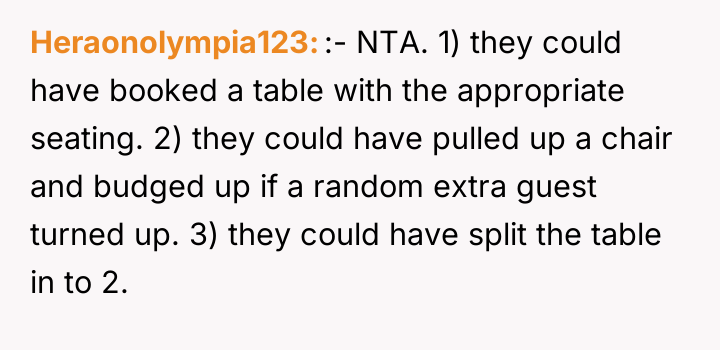
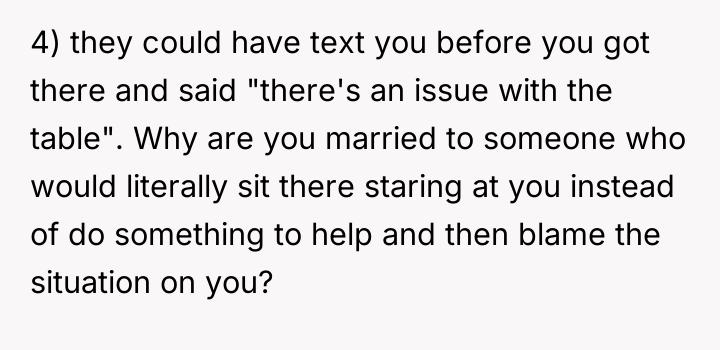
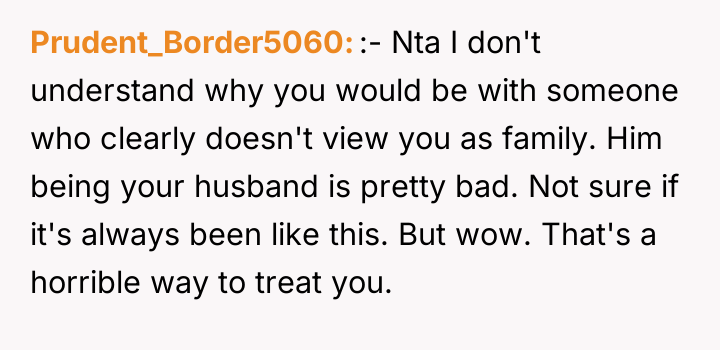
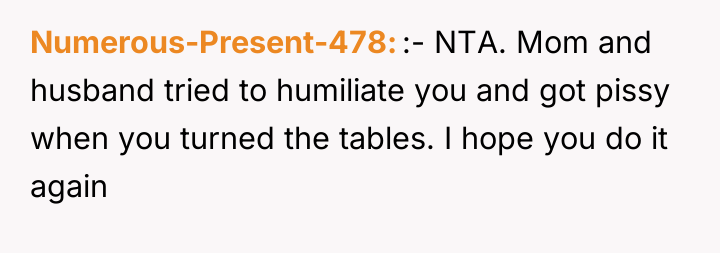
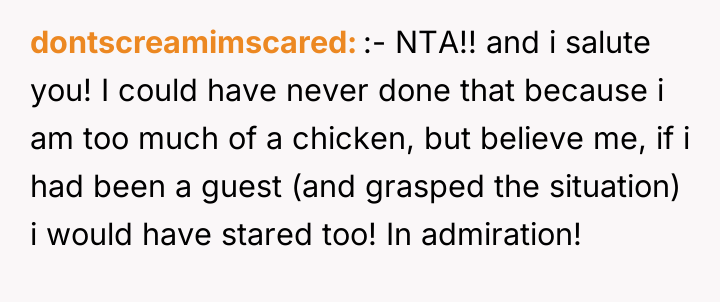
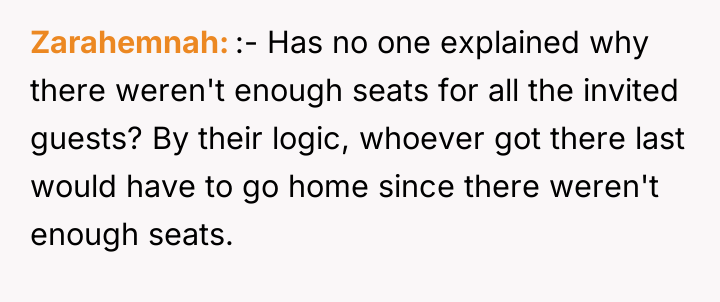
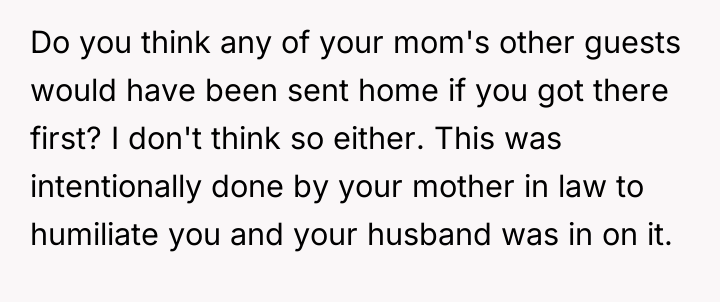
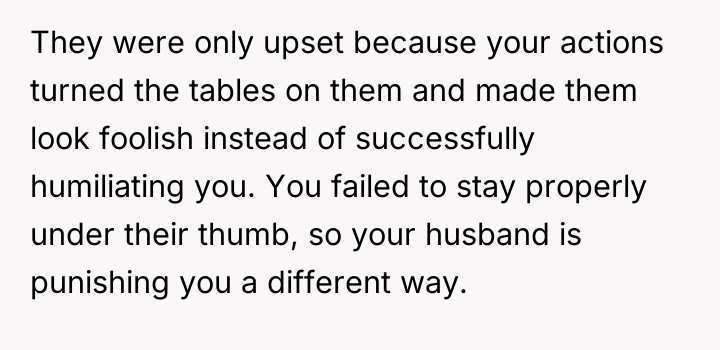
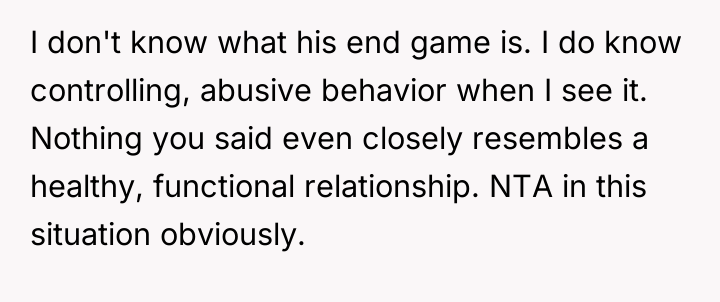
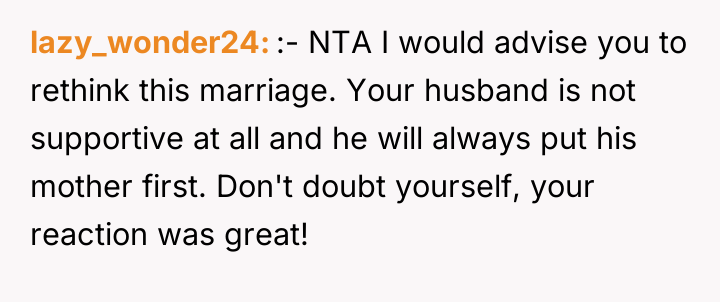
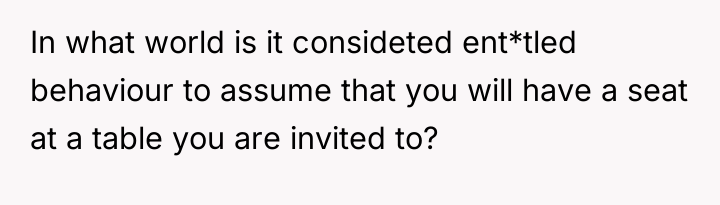
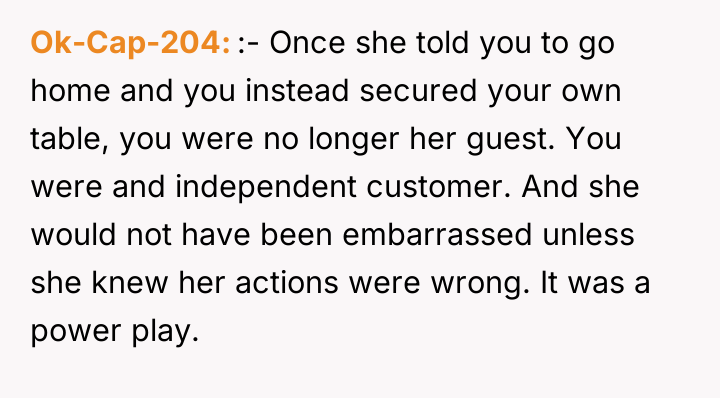
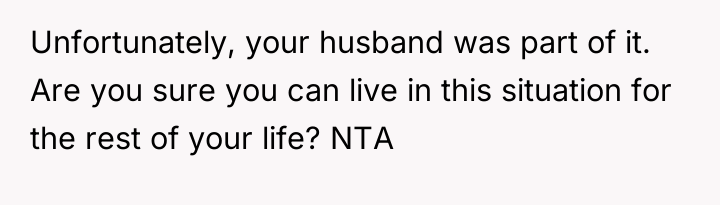
The original poster (f32) felt deliberately excluded and disrespected when her mother-in-law arranged a celebratory dinner without ensuring she had a seat, forcing her into an embarrassing situation. Her response was to secure her own separate table, which successfully asserted her presence but escalated the immediate conflict with her husband, Bob (m39), who prioritized his mother's feelings over validating his wife's exclusion.
Is the poster's expectation of being reserved a seat by her husband, given her announced arrival time, an entitled request, or was the refusal by the husband and mother-in-law a clear demonstration of disrespect and a failure to support the spouse in a socially hostile situation?