Recipes5 min read
Fluffy Pancakes From Scratch: The Simple Recipe and the 7 Mistakes That Make Them Flat
Thick, soft, golden American-style pancakes need nothing more than flour, milk, an egg and a few store-cupboard basics. The difference between fluffy and flat is mostly in how you mix and cook them.
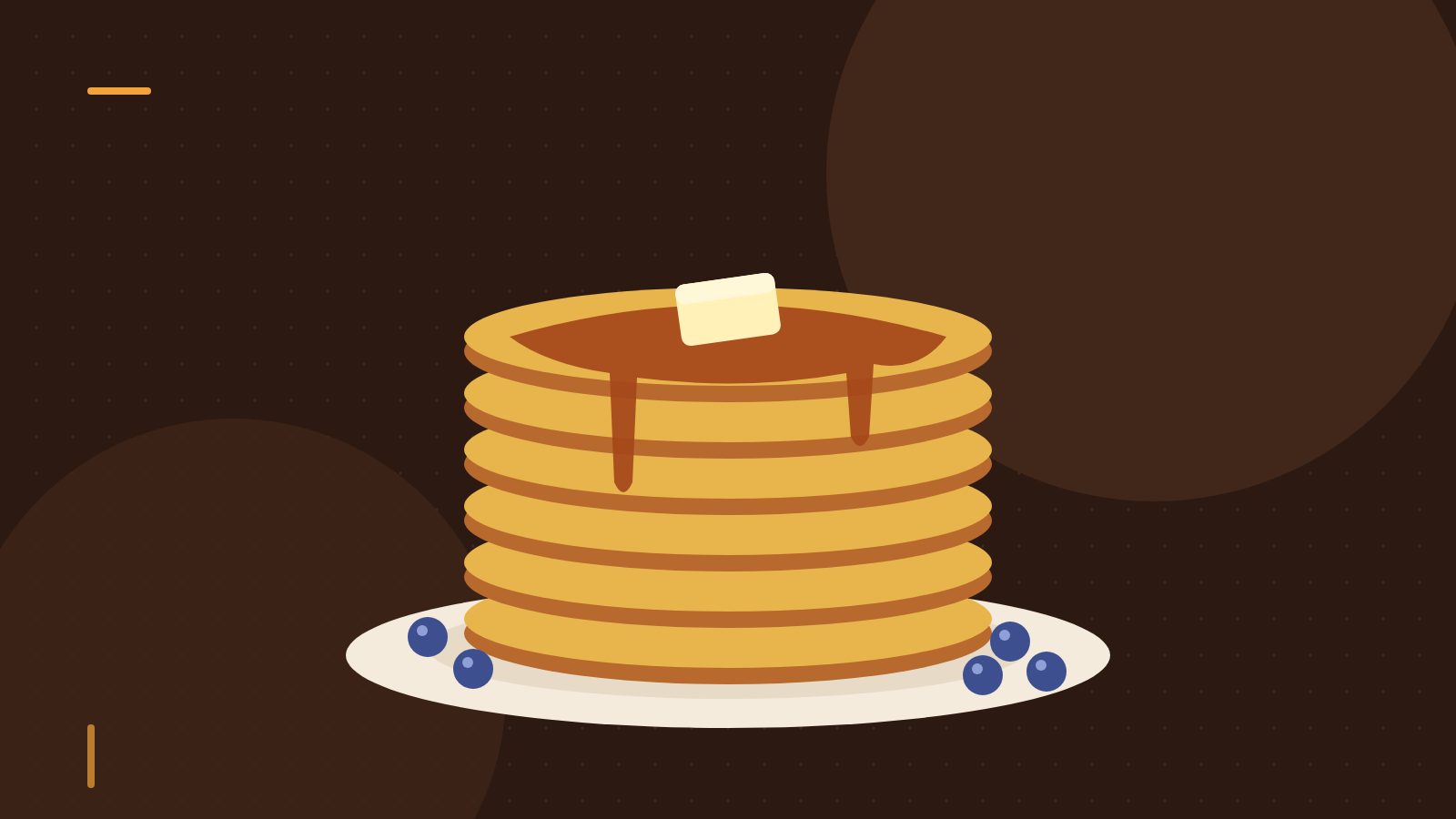
There are two kinds of pancake mornings. In the first, a tall, golden stack comes off the pan, soft and springy, soaking up butter and syrup. In the second, you end up with pale, rubbery discs that are somehow both thin and heavy.
The ingredients in both cases are almost the same. What changes is technique: how much you mix, how hot the pan is and when you flip. This recipe makes classic thick, American-style pancakes with everyday ingredients, no buttermilk required, and explains the small details that make them rise.
Ingredients (makes about 10 to 12 pancakes)
- 200 g plain (all-purpose) flour, about 1⅔ cups
- 2 teaspoons baking powder
- 2 tablespoons sugar
- ¼ teaspoon fine salt
- 1 large egg
- 250 ml milk, about 1 cup, plus a splash more if needed
- 30 g butter, melted and slightly cooled, plus a little for the pan (or a neutral oil)
- 1 teaspoon vanilla extract (optional)
This makes enough for two hungry adults or three to four people with toppings. The recipe doubles easily.
Method
- Mix the dry ingredients. In a large bowl, whisk together the flour, baking powder, sugar and salt so the baking powder is evenly spread.
- Mix the wet ingredients. In a jug or a second bowl, whisk the egg, then whisk in the milk, the melted butter and the vanilla.
- Combine gently. Pour the wet ingredients into the dry ones and fold them together with a spatula or a fork until just combined. Stop as soon as you cannot see dry flour. The batter should be thick and a little lumpy.
- Rest the batter for 5 to 10 minutes while the pan heats. You will notice small bubbles forming.
- Heat the pan. Put a large non-stick or well-seasoned frying pan or griddle over a medium heat. Brush it lightly with butter or oil, then wipe off the excess with kitchen paper. The pan is ready when a drop of water sizzles and dances.
- Cook. Pour about 3 tablespoons of batter, roughly a quarter cup, per pancake, leaving space between them. Cook for about 1½ to 2 minutes, until bubbles appear across the surface and start to pop, and the edges look set and slightly dry.
- Flip once. Turn each pancake with a thin spatula and cook for about another minute, until golden underneath and springy in the middle.
- Serve or keep warm. Serve straight away, or keep the pancakes in a single layer on a baking tray in a low oven, around 90 to 100 degrees Celsius, while you cook the rest.
Why lumpy batter makes better pancakes
The single most common reason for tough, flat pancakes is overmixing. Wheat flour contains proteins that form gluten when they are mixed with liquid and worked. A little gluten gives pancakes structure, but beating the batter until it is perfectly smooth develops too much of it. The result is chewy, rubbery pancakes that do not rise well.
Small lumps of flour are fine. They hydrate while the batter rests and disappear during cooking.
Where the fluffiness comes from
Pancakes rise thanks to gas bubbles. Baking powder is a mixture of an alkali, usually bicarbonate of soda, and one or more acids. When it gets wet, and again when it gets hot, the acid and alkali react and release carbon dioxide. Most baking powder sold today is "double-acting": part of the reaction happens in the bowl and part in the hot pan.
That is why a short rest helps. The batter thickens slightly as the flour absorbs liquid, and the first bubbles form. It is also why you should not leave batter made with baking powder for hours: the gas escapes and the pancakes come out flatter.
Check the date on your baking powder too. Once opened, it slowly loses strength. To test it, stir half a teaspoon into a little hot water. If it fizzes vigorously, it is fine.
The 7 mistakes that make pancakes flat
- Overmixing the batter. Mix until just combined. Lumps are good.
- A batter that is too thin. Thick batter makes thick pancakes. If yours runs across the pan like crêpe batter, whisk in a spoonful or two of flour. If it is too stiff to pour, add a splash of milk.
- Old baking powder. Test it as described above.
- A pan that is too cold. The pancake does not set quickly enough, spreads out and turns pale and greasy.
- A pan that is too hot. The outside burns before the inside is cooked. If the first side browns in under a minute, turn the heat down.
- Pressing the pancake with the spatula. It squeezes out the air you worked so hard to keep. Never press.
- Flipping too early or too often. Wait for bubbles across the surface and set edges. Flip once.
Why the first pancake always fails
Almost every cook knows it: the first pancake is pale, patchy or oddly shaped. The pan has not settled at an even temperature yet, and the first layer of fat is often too thick. Think of the first pancake as a test. Use it to adjust the heat and the thickness of your batter, then enjoy it as the cook's reward.
No buttermilk? No problem
Many American recipes use buttermilk, which gives a slight tang and very tender pancakes. This recipe uses regular milk and baking powder, so you do not need it. If you have buttermilk and want to use it, replace the milk with buttermilk, add ½ teaspoon of bicarbonate of soda to the dry ingredients, and expect a slightly thicker batter.
A common substitute is to stir 1 tablespoon of lemon juice or white vinegar into 250 ml of milk and leave it for 5 to 10 minutes, then use it as buttermilk with the added bicarbonate of soda.
Variations
- Blueberry pancakes: pour the batter into the pan, then scatter a few blueberries over each pancake before flipping. Mixing them into the batter tends to turn it purple.
- Chocolate chip: sprinkle chocolate chips onto the pancakes in the pan in the same way.
- Banana: add thin slices of banana to each pancake before flipping.
- Dairy-free: use an unsweetened plant milk, such as oat or soy, and oil instead of butter.
- Savoury: leave out the sugar and vanilla, add grated cheese and chopped spring onions, and serve with a fried egg.
Toppings
Maple syrup and butter are the classics. Other favourites include fresh berries with yoghurt, sliced banana with peanut butter, lemon juice and sugar, honey, chocolate spread, or crispy bacon with a drizzle of syrup.
Storing and reheating
Cool leftover pancakes completely, then keep them in a covered container in the fridge for up to about three days. To freeze them, lay them flat on a tray until frozen, then transfer them to a freezer bag with baking paper between them; they keep for a couple of months. Reheat in a toaster, in a dry pan over a low heat or for a few minutes in a warm oven. A microwave works but makes them softer.
The bottom line
Fluffy pancakes come down to a thick batter, a light hand and patience at the pan. Mix until just combined, rest the batter briefly, cook over a medium heat and flip only once, when bubbles cover the surface. Get those details right and the second kind of pancake morning, the one with the tall, golden stack, becomes the only kind.