Tips & Hacks6 min read
How to Unclog a Drain Without Chemicals: What Really Works (and the Popular Trick That Mostly Does Not)
Before you pour a bottle of caustic drain cleaner down the sink, try the methods plumbers use first. Most blockages are hair, grease or soap scum just a few centimetres below the plug.
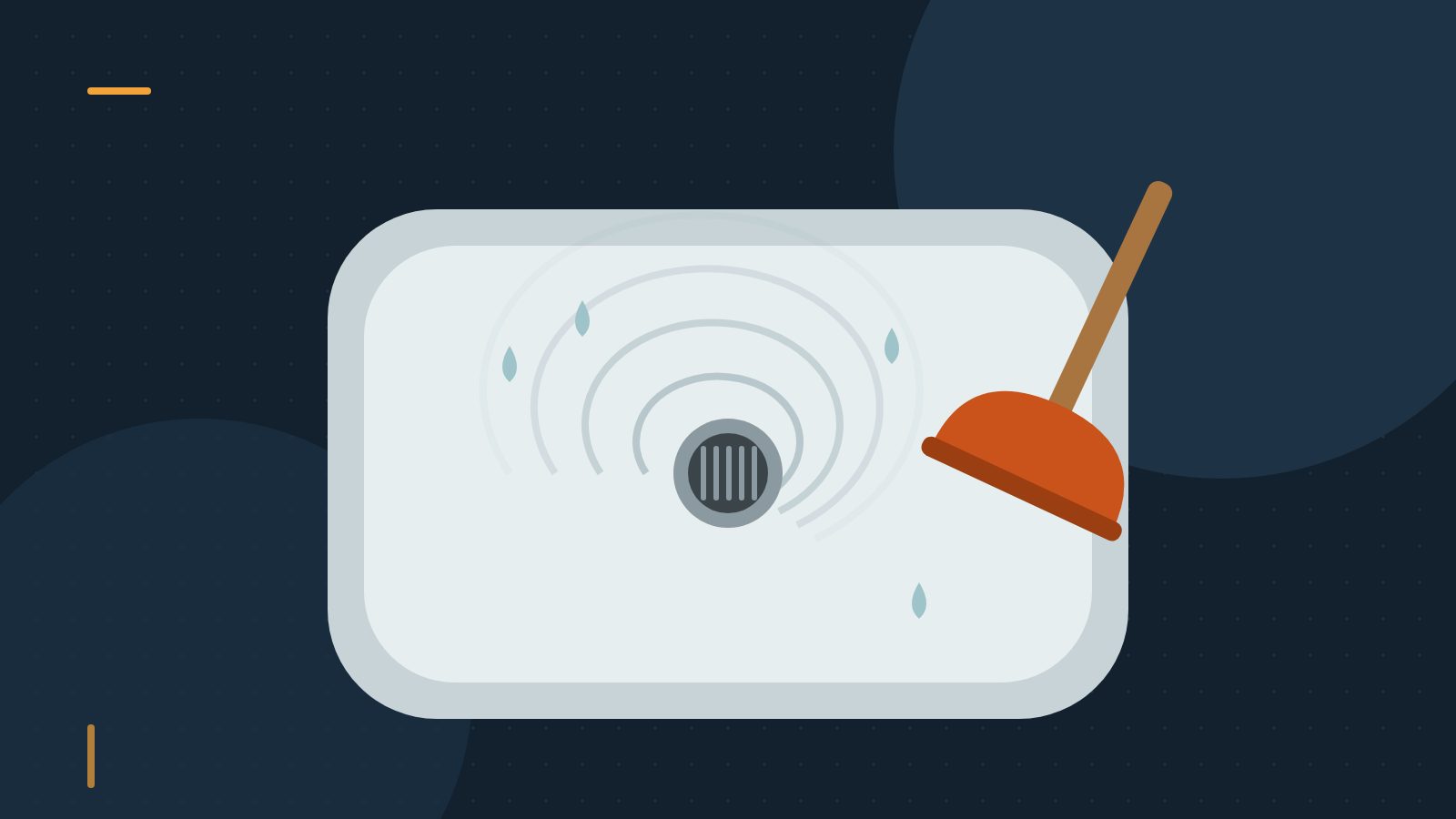
The water swirls, hesitates and then just sits there. A slow sink or a shower tray turning into a paddling pool is one of the most common household annoyances, and the temptation is to grab the strongest drain cleaner on the supermarket shelf.
Often you do not need it. Most domestic blockages are made of the same few things: hair, soap scum, grease, food scraps and toothpaste, usually caught within a short distance of the plug hole. Removing them physically is faster, cheaper and safer than dissolving them, and it is what a plumber would try first.
The quick answer
- Remove the plug or drain cover and pull out any hair or debris you can see.
- Use a plunger, sealing the overflow hole first.
- If that fails, use a cheap plastic drain snake or a drain auger to pull out the blockage.
- For kitchen and bathroom sinks, clean the trap, the U-shaped pipe under the sink.
- Prevent it happening again with a hair catcher and by keeping grease out of the sink.
Step 1: Start at the top
Many blockages are visible if you look. Remove the pop-up plug, the strainer or the shower drain cover. Some lift straight out, some twist, and some are held with a single screw. Pull out hair and gunk with gloved fingers, a pair of tweezers or a bent piece of wire.
In bathroom sinks, the pop-up plug often collects a surprising mat of hair and soap around its stem. Clean it, rinse it and test the drain before doing anything else.
Step 2: Use a plunger properly
A plunger works by pushing and pulling water to dislodge the blockage, but technique matters.
- Choose the right type. A cup plunger with a flat rim is for sinks, baths and showers. A flange plunger, with an extra rubber sleeve, is designed for toilets.
- Seal the overflow. Sinks and baths have an overflow hole near the top. If you do not block it with a wet cloth, the pressure escapes there instead of pushing on the blockage.
- Use water, not air. Make sure there is enough water to cover the cup of the plunger. Water transmits force much better than air.
- Plunge with rhythm. Push down gently to expel air, then make 10 to 15 firm up-and-down strokes without breaking the seal, and pull off sharply at the end. Repeat a few times.
For a double kitchen sink, block the second plug hole with a stopper or a wet cloth while you plunge the first.
Step 3: Use a drain snake
If plunging does not work, the blockage probably needs to be pulled out. Two inexpensive tools do this well:
- Plastic drain sticks are flexible strips with small barbs along the edges. Push one down the drain, twist it and pull it out slowly. It often comes back with a shocking amount of hair. They are especially good for bathroom sinks and showers.
- A hand-cranked drain auger, also called a plumber's snake, has a flexible steel cable that you feed into the pipe and turn with a handle. It can reach further and break up tougher clogs.
Feed the tool in gently. Do not force it, especially in older pipes.
Step 4: Clean the trap under the sink
Under most sinks there is a U-shaped or bottle-shaped section of pipe called the trap. It holds a small amount of water that stops sewer smells coming up, and it is also where a lot of debris collects.
- Put a bucket or bowl under the trap and lay down an old towel.
- Unscrew the plastic nuts by hand. Many traps also have a twist-off cap at the bottom.
- Empty the water and debris into the bucket. Wear gloves; it will not smell nice.
- Clean the trap with an old toothbrush and hot soapy water.
- Check the rubber washers are in place, refit the trap, hand-tighten the nuts and run water to check for leaks.
If the trap is clear but the sink still drains slowly, the blockage is further along the pipe, and a drain auger fed into the pipe from here can often reach it.
Hot water: helpful, with limits
Very hot water can help soften soap and grease, especially in kitchen sinks. A kettle of hot water followed by plenty of hot tap water is a reasonable first try for a slow drain.
Be careful with boiling water, though. Many modern waste pipes are made of plastic, and repeated boiling water can soften and damage plastic pipes and joints. Never pour boiling water into a toilet: the sudden temperature change can crack the porcelain. If water is standing in the sink, adding boiling water just creates a basin of scalding water that you will later have to deal with.
What about baking soda and vinegar?
This is the internet's favourite natural drain cleaner, and it does produce an impressive fizz. Unfortunately, the fizz is most of the show.
Baking soda is a mild alkali and vinegar is a mild acid. When you mix them, they react with each other and produce carbon dioxide gas, water and a salt called sodium acetate. The bubbling looks like something is being scrubbed away, but the two ingredients have mostly neutralised each other, and neither is strong enough to dissolve a solid plug of hair or congealed fat.
The mixture can loosen light, soft residues and help freshen a smelly drain, and it is harmless to try. But for a real blockage, a plunger or a drain snake will do far more.
Why be careful with chemical drain cleaners?
Chemical drain cleaners do have their place, but they come with real downsides:
- Many contain strong alkalis such as sodium hydroxide, or concentrated acids. They can cause serious burns to skin and eyes, and splashes are common when you plunge afterwards.
- If they do not clear the blockage, you are left with a sink full of corrosive liquid, which makes any further work dangerous.
- Mixing different products can produce heat or toxic fumes. Never mix drain cleaners, and never combine them with bleach.
- Repeated use can damage some older pipes and is harmful if it reaches the environment.
If you do use one, follow the label exactly, wear gloves and eye protection, ventilate the room, and tell anyone who might later work on the drain, including a plumber, what you have used.
Enzyme cleaners for maintenance
Enzyme- or bacteria-based drain cleaners work slowly by breaking down organic matter such as grease, food and hair. They are not a quick fix for a full blockage, but used regularly, often overnight when the drain is not in use, they can help keep pipes clearer and reduce smells.
Kitchen sinks: the grease problem
Fats, oils and grease are liquid when hot but solidify as they cool in the pipes, trapping food particles and building up over time. Water companies spend large sums clearing giant masses of fat, wet wipes and other debris from sewers, and the problem often starts in home kitchens.
- Let cooking fat cool, then scrape it into the bin or a container rather than the sink.
- Wipe greasy pans with kitchen paper before washing them.
- Use a sink strainer to catch food scraps.
- Do not rely on hot water and washing-up liquid to wash fat away; it simply solidifies further down the pipe.
Bathrooms: the hair problem
In showers and bathroom sinks, hair is usually the main culprit, bound together with soap scum. A simple mesh or silicone hair catcher over the drain is the cheapest prevention there is. Empty it after every few showers and clean the drain cover once a week.
When to call a plumber
Call a professional if:
- several drains in the house are slow or blocked at the same time;
- water backs up into a shower or bath when you flush the toilet or use the washing machine;
- you hear gurgling in several pipes or notice sewage smells;
- a toilet is blocked and a plunger does not clear it;
- you have already used chemical cleaners without success;
- you see leaks, damp patches or damage to pipes.
These can be signs of a blockage further down the main drain or a problem with the sewer connection, which needs proper equipment.
The bottom line
Most blocked drains do not need a chemical attack. Start at the plug hole, use a plunger correctly, try a cheap drain snake and clean the trap under the sink. Save the fizzing kitchen experiment for freshening up, keep grease and hair out of the pipes, and your drains should keep running freely for a long time.