Animals6 min read
Why Do Cats Knead? The Strange "Making Biscuits" Habit, Explained
Almost every cat does it: paws pushing rhythmically into a blanket, a lap or your stomach, often with a purr and a far-away look. The habit starts in the first hours of life, and the reasons it continues into adulthood say a lot about how cats feel.
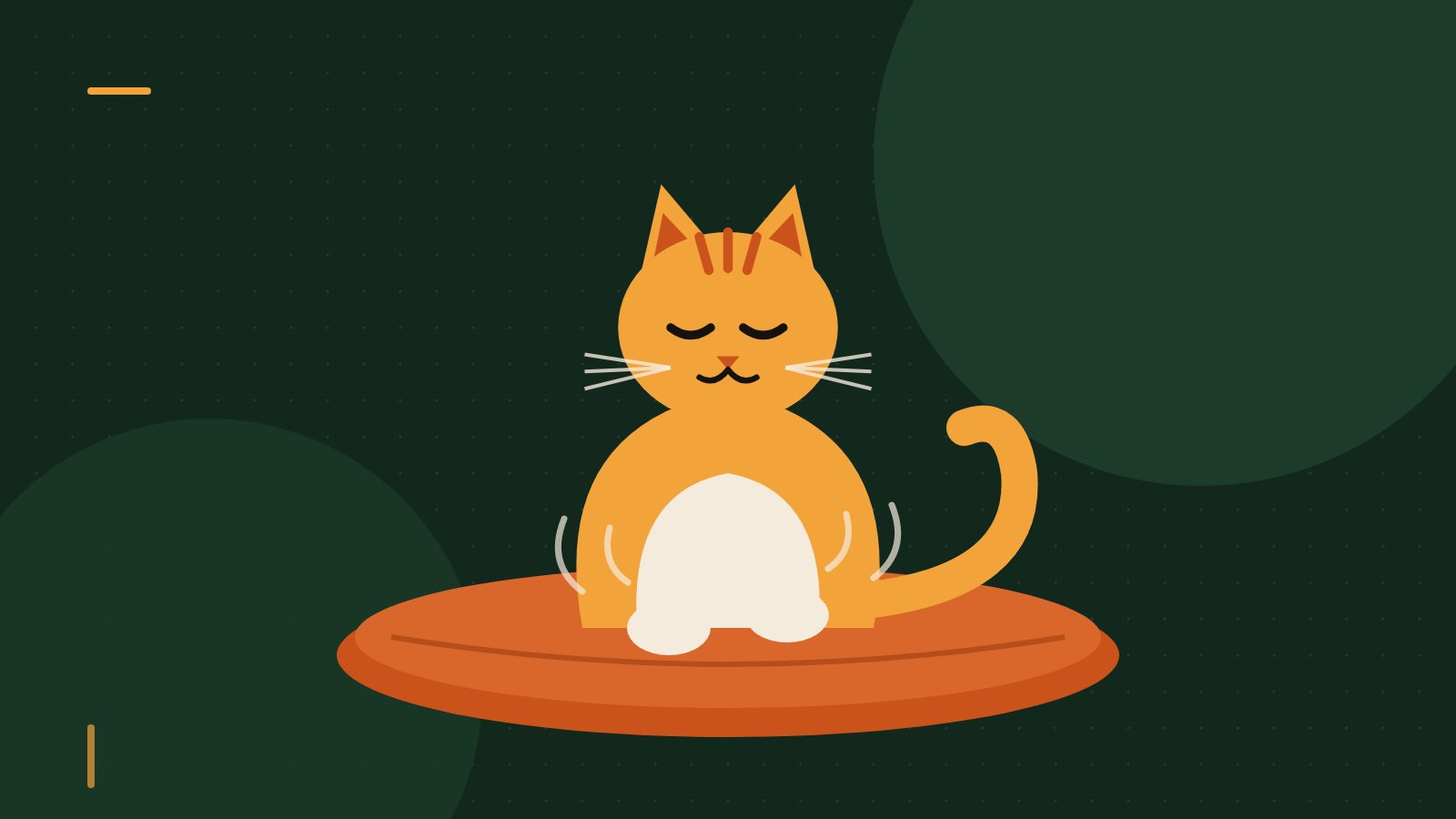
You sit down on the sofa, a warm weight lands in your lap, and a few seconds later it begins: left paw, right paw, left paw, right paw, pressing into your legs like a baker working dough. The purring gets louder. The eyes half close. Occasionally a set of claws makes contact with skin and you flinch, and the cat looks at you as if you are the one being unreasonable.
Cat owners have plenty of names for it. "Making biscuits" is the most popular online, but people also talk about kneading, paddling, pummelling or "making muffins". Whatever you call it, the behaviour is so common that most vets would be more surprised by a cat that never does it than by one that does it every evening.
So why do they do it? The short answer is that kneading starts as a feeding behaviour in kittens and stays on as a sign of comfort, contentment and attachment in adult cats. The longer answer has a few interesting twists.
It starts in the first hours of life
Kittens are born with their eyes and ears closed, but they can feel and smell, and within an hour or two they find their way to their mother's belly. When they nurse, they push rhythmically against the mammary glands with their front paws. That pressing helps stimulate the flow of milk, a reflex behaviour seen in many young mammals.
So in the earliest weeks of a cat's life, kneading is tied to some of the best things that can happen to a kitten: warmth, food, safety and the presence of its mother. Purring is part of the same package. Kittens purr while nursing, and mother cats purr back.
Most animal behaviourists believe that adult kneading is a leftover of this early association. Long after weaning, the movement remains linked to feeling relaxed and secure. When an adult cat settles on a soft surface next to someone it trusts, the old motor pattern switches on again.
That also explains a detail that puzzles many owners. Some cats drool while they knead, and some suckle on a blanket, a sleeve or even an earlobe. Both are part of the same nursing routine. A cat that drools on your jeans while kneading is not ill. It is, in a sense, very deeply relaxed.
Scent marking: "this lap is mine"
The second explanation has to do with the paws themselves. Cats have scent glands between their toes and in the pads of their feet. When they press and spread their toes, they leave a faint chemical signature that humans cannot smell but other cats can.
Cats mark their territory in several quiet ways: rubbing their cheeks on furniture and people, scratching posts and door frames, and pressing their paws into surfaces. Kneading may add your lap, your duvet or your favourite jumper to the list of places that smell familiar and safe. It is not a dramatic declaration of ownership, more a way of making a place feel like home.
Nesting: the wild-ancestor theory
A third idea looks further back. The wild ancestors of domestic cats did not have sofas. Before lying down, they may have trampled grass or leaves to make a softer, flatter resting spot and to check that nothing unpleasant was hiding underneath. Pregnant cats often knead and paw at bedding as they prepare a place to give birth.
Many owners will recognise the sequence: the cat kneads, turns round once or twice, kneads again and finally curls up. Whether that is an ancient nesting instinct or simply a cat getting comfortable, the result is the same. The spot has been tested and approved.
Stretching and feeling good
Kneading also simply feels good. The movement stretches the muscles of the front legs, shoulders and paws, and it often happens around waking up or settling down, the same moments when cats do their big full-body stretches. Some cats knead the air while lying on their backs, which suggests that, at least some of the time, there is no target and no message. It is just a pleasant thing to do.
What it means when your cat kneads you
Put these explanations together and a cat kneading on your lap is giving you a fairly clear message. It feels safe with you. It associates you with comfort, and possibly with the kind of security its mother once provided. It may also be marking you as part of its familiar world.
Not every cat kneads people, and a cat that does not is not less attached. Some cats only knead blankets or a particular cushion. Others save it for the moment they are about to fall asleep. Like most cat behaviour, the habit varies enormously from one animal to the next.
Kneading is sometimes linked to cats that were weaned very early, and some owners notice that hand-reared kittens knead and suckle more intensely as adults. The evidence for this is mostly anecdotal, but it fits the idea that the behaviour is rooted in nursing.
When the claws come out
The only real problem with kneading is the claws. A cat's claws naturally extend as it presses and spreads its toes, and a relaxed cat is not thinking about your skin. Punishing a cat for kneading is unfair and tends to backfire: it is an expression of contentment, and scolding can make the cat wary of your lap altogether.
Instead, try these gentler fixes:
- Keep a thick blanket within reach. Put a folded blanket or cushion on your lap when the cat settles. Many cats happily knead the blanket instead of you.
- Trim the claw tips. Clipping just the sharp, clear tip of each claw every few weeks makes kneading far more comfortable. Ask your vet or a vet nurse to show you how, so you avoid the quick, the pink part with blood vessels and nerves.
- Redirect, do not punish. If the kneading becomes too much, gently lift the cat, stroke it and set it down next to you, or move its paws onto a cushion.
- Provide good scratching posts. Regular scratching keeps claws in better condition and gives cats another outlet for marking.
Declawing is not a solution. It is an amputation of the last bone of each toe, it is banned or considered unacceptable in many countries, and veterinary organisations widely oppose it for non-medical reasons.
Is kneading ever a sign of a problem?
In the vast majority of cases, no. Kneading is normal behaviour in healthy cats of all ages and both sexes, neutered or not.
A few situations are worth watching, though:
- Sudden, excessive kneading combined with restlessness, hiding, a change in appetite or other unusual behaviour can be a sign that the cat is stressed or unwell.
- Kneading with heavy, repetitive sucking or chewing on fabric, sometimes called wool-sucking, can lead to a cat swallowing threads, which is dangerous for its gut. If your cat eats fabric, talk to your vet.
- Unspayed female cats may knead more when they are in heat, often together with loud calling, rolling and rubbing against things.
- Kneading with signs of pain, such as limping, reluctance to jump or a change in how the cat uses its front legs, should be checked by a vet.
Outside those cases there is nothing to fix. The kneading cat is doing what cats have done for thousands of years.
Do big cats knead too?
Kneading is common across the cat family, at least in kittens, because nursing works the same way in lions and tigers as it does in house cats. Videos of adult big cats in sanctuaries kneading blankets or bales of straw circulate widely online and look exactly like a domestic cat on a duvet, only much larger. The behaviour seems to be part of the shared toolkit of the whole family.
The bottom line
Kneading is one of the clearest windows we have into a cat's emotional world. It begins at the mother's side as a way to get milk, and it survives into adulthood as a ritual of comfort. When your cat pads at your lap with a blissful look and a rumbling purr, it is not trying to annoy you or test your pain threshold.
It is, in the language of cats, telling you that this is a good place to be.