Film & TV6 min read
Why We Root for Terrible People on TV: The Psychology Behind the Antihero
Tony Soprano, Walter White, Don Draper. They lie, cheat and sometimes kill, and millions of viewers still want them to win. That isn't a flaw in the audience. It's a carefully engineered effect.
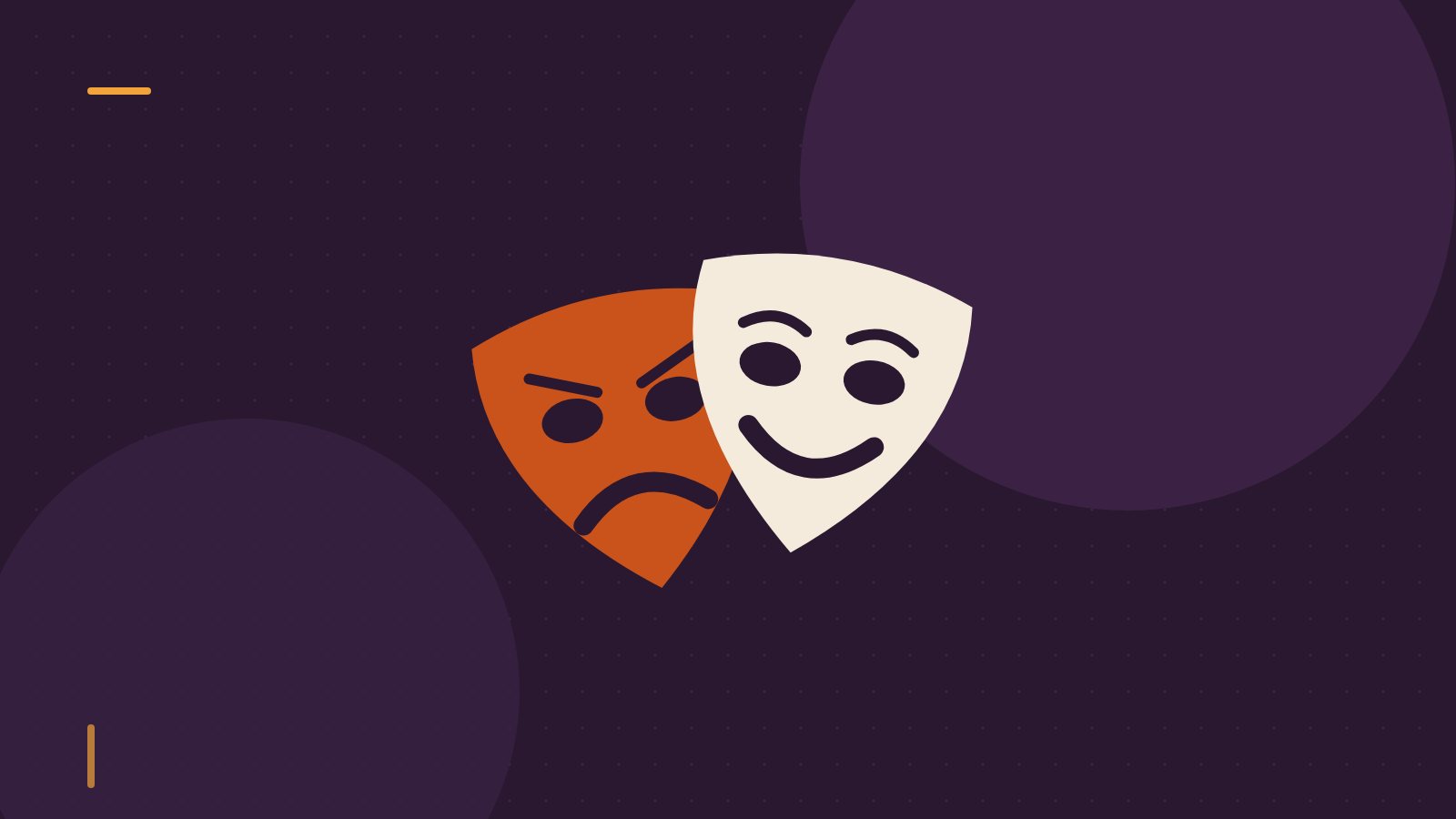
Somewhere in the middle of almost every great antihero drama, there is a moment when viewers catch themselves. The main character has just done something unforgivable, and the audience realises, with a small jolt, that it was hoping he would get away with it.
For a long stretch of television history, that moment was rare. Heroes were mostly heroic, villains mostly villainous, and the audience knew which side it was meant to be on. Then, around the turn of the century, a wave of prestige dramas built entire series around men who were, by any ordinary measure, bad people. Viewers didn't just tolerate them. They adored them.
Understanding why is more than a piece of trivia. It reveals how stories shape our moral instincts, and how easily those instincts can be steered.
The men who changed television
The Sopranos, which ran on HBO from 1999 to 2007, is usually named as the turning point. Its central character, Tony Soprano, is a New Jersey mob boss who orders murders, cheats on his wife and bullies almost everyone around him. He is also anxious, funny, devoted to his children in his own way and, crucially, in therapy. Week after week, viewers sat in Dr Melfi's office and heard him try to make sense of himself.
Others followed. Mad Men gave us Don Draper, a brilliant advertising executive built on a stolen identity and a trail of betrayals. The Shield followed a corrupt police detective. Dexter asked audiences to root for a serial killer who only killed other killers. Later, Succession turned a family of media billionaires into figures that viewers loved to hate and, sometimes, simply loved.
The purest example is Breaking Bad. Its creator, Vince Gilligan, famously described his plan as turning Mr Chips into Scarface: taking a mild, humiliated chemistry teacher and transforming him, over five seasons, into a ruthless drug lord. The show's genius was that it moved slowly enough for viewers to come along for the ride.
What psychologists say is going on
Media researchers have studied this kind of enjoyment for decades. One influential idea, known as affective disposition theory, grew out of work by the psychologist Dolf Zillmann in the 1970s. In simple terms, it says that we enjoy a story when characters we like do well and characters we dislike get what they deserve. Our pleasure depends on our moral judgement of the characters.
That theory works neatly for classic heroes and villains. Antiheroes complicate it. If we judge characters morally, why do we keep cheering for someone who murders people?
Later researchers, including the media psychologist Arthur Raney, offered part of the answer. Once viewers decide they like a character, they begin to process the story differently. They look for justifications. They loosen their usual moral standards. Psychologists call this moral disengagement: the mental moves we make to avoid feeling bad about behaviour we would normally condemn. The victim deserved it. He had no choice. Everyone in that world does worse. It's only a story.
In other words, we don't like antiheroes because we approve of what they do. We approve of what they do, or at least excuse it, because we have already decided to like them.
How writers make you like a monster
That first moment of liking is not left to chance. Antihero dramas use a set of reliable techniques, often in combination.
Point of view. We spend almost all our time with the antihero. We see his fears, his private humiliations and his reasons. We rarely spend long with his victims. Familiarity breeds sympathy, and the camera decides whom we become familiar with.
Worse people nearby. Tony Soprano is surrounded by mobsters who are crueller and stupider than he is. Walter White faces cartel killers who make him look almost restrained. Placing a bad man among worse men is the oldest trick in the book, and it still works.
Competence. Audiences love watching someone be very good at something. Walter's chemistry, Don's pitches, Tony's ability to read a room: these scenes are thrilling, and the thrill attaches itself to the person delivering it.
A wound. Almost every great antihero has a source of pain that explains, without excusing, who he has become. Walter is dying and feels cheated by life. Don grew up poor and unloved. Tony carries the damage of a frightening mother. The wound invites compassion, and compassion is the doorway to loyalty.
The slow slide. Perhaps most important of all, the moral decline is gradual. Each step is only slightly worse than the last. By the time the character crosses a line that would have horrified us in the first episode, we have already accepted a dozen smaller steps towards it.
When the audience takes it too far
There is a darker side to all this, and Breaking Bad exposed it. Walter's wife, Skyler, spent much of the series trying to protect her family from a husband who was becoming dangerous. Many viewers hated her for it. The hostility grew so intense that the actor who played her, Anna Gunn, wrote an opinion piece in The New York Times in 2013 describing the abuse she received and reflecting on why a woman who stood in the antihero's way had become a target.
The episode is revealing. Viewers had become so invested in Walter's success that a character behaving reasonably, even morally, felt like an obstacle. The story's careful engineering of sympathy had worked a little too well.
Writers of these shows often seem aware of the risk, and many of the best series push back against their own audiences. The Sopranos repeatedly shows the ugliness of Tony's world in ways that resist glamour. In the final episode of Breaking Bad, Walter finally admits to Skyler the truth he had hidden behind talk of family: "I did it for me. I liked it. I was good at it." The line lands like a verdict on the character, and on everyone who cheered him on.
Why it might be good for us
It would be easy to conclude that antihero television corrupts viewers. The research doesn't really support that, and many critics argue the opposite.
Stories have always been a safe place to explore dangerous ideas. Watching a character slide into wrongdoing lets us examine temptation, pride, resentment and self-deception from a distance. We can feel the pull of a bad choice without paying the cost of making it. The best antihero dramas leave viewers uncomfortable precisely because they show how ordinary the path to cruelty can be.
There is also honesty in the form. Real people are rarely pure heroes or villains. Most of us are capable of generosity and selfishness in the same afternoon. Characters who contain both may feel more truthful than the spotless heroes of older television.
What it says about us
The antihero boom reveals something slightly unnerving: our moral judgement is much more flexible than we like to think. Give us enough time with someone, show us his pain, surround him with worse people and let him be brilliant at something, and we will find reasons to forgive almost anything.
That flexibility isn't only a feature of how we watch television. It is part of how we treat charismatic leaders, celebrities, colleagues and friends. We are quick to excuse those we have already decided to like, and quick to condemn those standing in their way.
The best antihero stories know this, and they use it to hold up a mirror. The next time you catch yourself hoping a terrible person gets away with it, it might be worth asking the question these shows quietly want you to ask: why do I want that, and what would it take for me to want it in real life?